
Essential Oils for the Bathhouse: Creating a Healing Atmosphere
The idea of a bathhouse has always carried a particular kind of promise: warmth, steam, ritual, and the gentle loosening of the day’s tensions. Add essential oils to that mix and you have a sensory shortcut to calm, clarity, or uplift—depending on what you choose and how you use it. This article walks you through everything useful and practical about bringing essential oils into a bathhouse setting: which oils work best, how to blend them, safe application methods for steam rooms and saunas, timing, equipment, and the little rituals that make a soak feel purposefully restorative rather than merely pleasant.
Why Use Essential Oils in a Bathhouse?
Essential oils concentrate aromatic compounds from plants into a form that is easy to disperse, inhale, and apply topically. In a bathhouse, these oils amplify the sensory experience: they perfume steam, interact with heat to release volatile molecules, and nudge mood and breathing through scent. Beyond atmosphere, some oils can support respiratory comfort, soothe aching muscles, ease headaches, or hydrate the skin when properly diluted. The effect is immediate: a few drops can change the character of a steam session from neutral to therapeutic, from distracting to centering.
How Aromatherapy Works in Warm, Humid Spaces
Heat and humidity accelerate the evaporation of essential oils, dispersing aromatic molecules through the air more quickly. In a sauna or steam room, warm air carries scent to the nose and skin; inhaled aroma reaches the olfactory system and limbic brain structures, which influence emotion and memory. Meanwhile, topical applications—on towels, stones, or diluted solutions—interact with the skin. These combined pathways mean the selection and placement of oils matters: stronger, resinous scents work well for short, intense sessions, while gentle floral or citrus notes suit longer, quieter soaks.
Basic Safety Rules Before You Begin
Essential oils are powerful. A bathhouse environment amplifies their effects, and that can be good—if you work within safe boundaries. Always do a patch test on your skin before using a new oil topically. Never apply undiluted essential oil to skin in a hot environment; heat increases skin absorption and irritation risk. Avoid oils known to be irritating (like cinnamon bark or oregano) in concentrated form. Pregnant people, young children, those with respiratory disease, or anyone with severe allergies should consult a healthcare professional before using essential oils in enclosed heated spaces. Finally, keep oils away from eyes and mucous membranes.
Simple Safety Checklist
- Do a patch test for skin sensitivity at least 24 hours before topical use.
- Use carrier oils or water-based dispensers; never apply undiluted oil to skin.
- Avoid strong photosensitizing oils (e.g., bergamot, lime) before sun exposure.
- Ventilate the space between sessions; allow the room to clear of heavy scent.
- Store oils in dark, cool bottles away from sunlight to maintain quality.
Choosing Oils for Different Goals
Not every essential oil is suited to every purpose. Below are categories and recommended oils you can lean on, depending on what you want from the bathhouse experience.
Relaxation and Sleep
Lavender and chamomile are the classic choices for winding down. They are mild, blend well with florals and woods, and are generally skin-friendly when diluted. Cedarwood and sandalwood add grounding, earthy notes that deepen relaxation.
Respiratory Comfort and Clear Breathing
Eucalyptus and tea tree can open airways and feel brisk in a steam room. Rosemary adds a clarifying note that can sharpen breathing and focus. Use these sparingly and never directly on a hot stove or heater where concentrated steam could be overwhelming.
Pain Relief and Muscle Ease
Marjoram, ginger, and black pepper bring warming sensations that pair well with heat therapy. Peppermint gives a cool, counterirritant effect—great after an intense dip—but can be strong in concentrated steam.
Uplift and Energy
Citrus oils (sweet orange, bergamot, lemon) and peppermint brighten mood and increase alertness. They evaporate quickly, so combine with a base oil if you want lasting presence in the room.
Skin and Hydration Support
Geranium, roman chamomile, and frankincense are more skin-friendly when properly diluted. Carrier blends with jojoba or sweet almond oil can help hydrate during or after bathing.
Essential Oil Profiles at a Glance
| Essential Oil | Main Properties | Best Bathhouse Uses | Notes / Precautions |
|---|---|---|---|
| Lavender | Calming, antiseptic | Relaxation, sleep, general use | Generally safe; skin-friendly when diluted |
| Eucalyptus (globulus) | Decongestant, invigorating | Steam for colds, respiratory ease | Strong—use low concentrations; avoid for small children |
| Peppermint | Cooling, analgesic | Post-exertion refresh; short steam bursts | May be too intense for some; avoid near eyes |
| Tea Tree | Antimicrobial | Steam for clearing air, sanitary environments | Can be irritating to sensitive skin |
| Sandalwood | Grounding, warming | Meditative sessions, relaxation | Expensive; use sparingly |
| Frankincense | Balancing, anti-inflammatory | Skin support, meditation | Gentle; blends well with citrus and woods |
| Sweet Orange | Uplifting, cheerful | Short invigorating soaks | Photosensitizing if from cold-pressed peel oils—avoid sun exposure |
| Geranium | Balancing, floral | Skin care blends, mood balance | Generally safe diluted |
Practical Ways to Use Essential Oils in a Bathhouse
The bathhouse environment requires adapted delivery methods to avoid overpowering scent or skin irritation. Here are safe, effective approaches.
1. Diffusion (Cool or Heat-Resistant Diffusers)
Ultrasonic diffusers suitable for humid spaces disperse microscopic oil droplets in water vapor. Place diffusers in common areas or antechambers rather than inside the hottest sections to control intensity. Diffusers are best for gentle, evenly dispersed aromatherapy.
2. Towels and Linen Application
A practical method is to add a few drops of essential oil to a towel or cloth, then lay it near your head or on a heated stone where the steam gently warms it. Use no more than 2–3 drops on a towel for a small sauna and test intensity before bringing it into enclosed spaces.
3. Steam-Infusion Bowls
Create a bowl of hot water and add diluted essential oil or an infusion (see dilution section). Place the bowl safely in the steam room or near the heater so the aroma rises with steam. Never pour undiluted essential oil directly on hot stones—this can create a concentrated aerosol that irritates lungs.
4. Carrier Oil Blends for Massage
After a soak, a light massage with carrier oil blended with essential oils can extend the benefits. Use a neutral carrier like sweet almond or jojoba and keep essential oil concentration low (typically 1% or less for whole-body use in heated settings).
5. Aromatherapy Sprays
Mix essential oil with witch hazel or vodka and water in a spray bottle. Lightly mist benches or linens before sessions. Sprays evaporate quickly and allow more control than direct drops on heaters.
Dilution Guidelines and Measurements
A critical piece of practical know-how is dilution: how many drops per ounce or per liter, and how that changes in hot, humid environments. Heat and humidity boost volatility and absorption, so lower concentrations are better.
Recommended Dilution Levels
- Steam rooms/saunas (for ambient scent): 0.5% to 1% concentration equivalent. This is about 3–6 drops of essential oil per 10 ounces (300 ml) of water in a diffuser bowl or spray solution.
- Topical massage blends (after bathing): 1% to 2% for large areas; 2.5% to 3% for localized muscle tension. For a 1% blend, add approximately 6 drops of essential oil per ounce (30 ml) of carrier oil.
- Children or sensitive adults: halve the above concentrations. For infants and toddlers, many essential oils should be avoided entirely—seek specialist guidance.
Quick Dilution Table
| Container Size | 0.5% (drops) | 1% (drops) | 2% (drops) |
|---|---|---|---|
| 10 ml (0.34 oz) | 1–2 drops | 2–3 drops | 4–6 drops |
| 30 ml (1 oz) | 3–4 drops | 6 drops | 12 drops |
| 100 ml (3.4 oz) | 10–12 drops | 20–25 drops | 40–50 drops |
Blends and Recipes for the Bathhouse
Below are practical blends that suit common bathhouse goals. Each recipe includes purpose, suggested delivery method, and dilution.
Relaxing Evening Steam
- Lavender: 6 drops
- Sandalwood: 2 drops
- Patchouli (optional): 1 drop
Method: Add to a bowl of hot water placed in the steam room or to an ultrasonic diffuser in the antechamber. Use a total of around 9 drops in 300 ml water for a mild scent.
Cold and Congestion Support
- Eucalyptus: 4 drops
- Tea Tree: 2 drops
- Rosemary: 2 drops
Method: Make a diluted steam infusion—place oils in 300 ml warm water in a metal bowl located in the steam area. Keep drops low and session short to avoid irritation; 5–10 minutes is often enough.
Post-Workout Muscle Release
- Marjoram: 4 drops
- Ginger: 2 drops
- Peppermint: 2 drops
Method: Blend in 30 ml carrier oil at 2% concentration for topical massage after bathing. Avoid applying before entering very hot saunas if you plan to heat the skin further.
Invigorating Morning Soak
- Sweet Orange: 6 drops
- Peppermint: 2 drops
- Grapefruit (optional): 2 drops
Method: Use in a diffuser in the dressing area or add to a spray bottle diluted in water for a light mist on towels. Keep sessions moderate; citrus oils evaporate fast and are best for short bursts.
How to Blend Like a Pro
Blending is part chemistry and part creative listening. Start with a dominant oil (base, middle, or top note), then add complementary notes to round it out.
Notes and Roles
- Top notes (e.g., citrus, peppermint): evaporate quickly, give the first impression.
- Middle notes (e.g., lavender, rosemary): form the body of the blend; they stabilize and support top notes.
- Base notes (e.g., sandalwood, frankincense): slow to evaporate, they anchor the blend and give lingering depth.
A common beginner formula: 3 parts middle, 2 parts top, 1 part base. Adjust by scent and personal preference.
Integrating Herbs, Salts, and Waters
Essential oils can combine beautifully with bath salts, herbal infusions, and mineral waters. Epsom salts help relax muscles and pair well with lavender or frankincense. Herbal sachets (rosemary, thyme, chamomile) can be simmered in water, then combined with a modest drop count of essential oil for layered aroma without overwhelming potency.
Salt and Oil Bath Recipe
- 2 cups Epsom salt
- 1/2 cup sea salt
- 10 drops lavender essential oil
- 5 drops frankincense essential oil
Mix salts with oils in a jar, let rest for 24 hours, then add a half-cup to bathing water or dissolve in a warm footbath. This creates a sustained, gentle scent while adding mineral benefits.
Rituals and Sequence: Timing Your Sessions
A thoughtful bathhouse session is as much about pacing as it is about scents. Here’s an approachable routine you can adapt.
Sample Session Timeline (60–90 minutes)
- Arrival and warm drink (5–10 minutes) — hydrate and transition from the outside world.
- Cool shower (3–5 minutes) — rinse and clean the skin to enhance oil absorption.
- First steam/sauna round (10–15 minutes) — use a gentle essential oil infusion to open airways and relax.
- Cool down or cold plunge (2–5 minutes) — invigorates circulation; sit quietly and breathe.
- Second round with a different blend if desired (10 minutes) — focus on muscle relief or meditation.
- Hydration and rest (15–30 minutes) — hydrate, apply light topical oils or lotions, and allow the nervous system to come down.
Adjust both temperature and scent intensity to your comfort. Two short sessions often work better than one long, intense exposure.
Cleaning, Maintenance, and Respectful Use
Essential oils can build up on surfaces or leave residues; they also have antimicrobial properties that don’t replace cleaning. Maintain the bathhouse with regular cleaning and natural detergents where possible. Use diffusers and sprays responsibly: avoid saturating wood surfaces with oil; follow equipment manufacturers’ instructions before adding aromatic liquids to heaters or steam generators.
Responsible Bathhouse Etiquette
- Ask others if they mind aromatherapy in group spaces; scents can trigger allergies.
- Start with low scent concentrations; you can always add more.
- Label any communal blends and note ingredients for allergy awareness.
- Avoid oils that produce lingering greasy residues on benches and fixtures.
Where to Buy and What to Look For
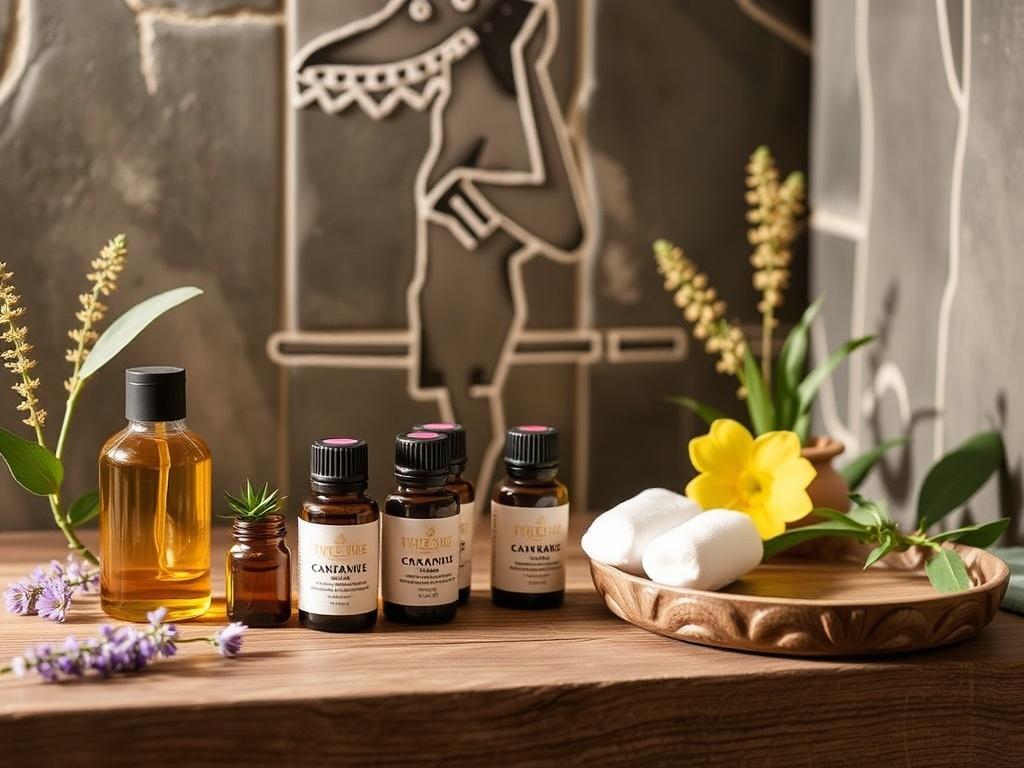
Quality matters. Look for reputable suppliers that list botanical names (e.g., Lavandula angustifolia), extraction methods, and country of origin. GC/MS testing (gas chromatography/mass spectrometry) results indicate transparency and quality. Avoid cracked or corroded caps and strong synthetic “fragrance” labels masquerading as essential oil.
Buying Checklist
- Botanical name and part used (e.g., Lavandula angustifolia, flowers).
- Extraction method (steam-distilled, cold-pressed).
- Batch or lot number and expiry date.
- Opaque glass bottles to protect from light.
- Third-party testing or GC/MS reports if available.
Sustainability and Ethical Considerations
Some oils—sandalwood, rosewood, certain citruses—come from plants under pressure from overharvesting. Choose sustainably sourced or certified oils, or seek alternatives with similar aromatic profiles. Use diluted blends to extend supply and reduce waste. Support companies that invest in ethical cultivation and benefit local communities.
Special Populations and Contraindications
Certain groups need extra caution. Pregnant people should avoid oils like clary sage, certain high-phenol oils (cinnamon, clove), and strong neuromodulatory oils unless advised by a professional. Infants and small children are more sensitive; many essential oils are not recommended at all. People with asthma or severe allergies should use minimal or no aromatherapy in shared bathhouse spaces. If in doubt, err on the side of dilution and short exposure.
Quick Guide
| Population | Recommendation |
|---|---|
| Pregnant people | Consult a specialist; avoid certain oils and reduce concentrations |
| Children | Use milder oils and much lower dilutions; avoid saunas for infants |
| Asthma sufferers | Use extreme caution; scents can trigger attacks—consider scent-free sessions |
| Allergic individuals | Check ingredients and avoid known triggers; use opt-in communal policies |
Troubleshooting Common Problems
If the scent becomes overpowering, open vents and allow fresh air in; remove the source. For skin irritation, rinse the skin with soap and cool water immediately; seek medical advice if severe. If someone experiences lightheadedness in a steam room, escort them out, cool them down, and provide fresh air and hydration. Keep essential oil first-aid basics on hand and post visible safety instructions in shared bathhouse spaces.
Dealing with Residue and Build-Up
If oils leave a greasy film on benches or tiles, clean with a mild degreasing cleaner and warm water. Prevent build-up by using spray methods or diffusers rather than pouring oils directly onto hot stones or heaters.
Creating a Signature Bathhouse Blend
To create a memorable signature blend for a public or private bathhouse, think about your brand personality or the emotional experience you want to cultivate. Is your space meditative and earthy, or bright and social? Choose a base oil that matches mood and build from there.
Design Process
- Define the mood in one sentence (e.g., “quiet, meditative warmth”).
- Choose one base note that anchors the mood (sandalwood, frankincense, cedarwood).
- Add one to two middle notes that provide body (lavender, geranium, rosemary).
- Add a top note for freshness (bergamot, sweet orange, peppermint).
- Test at low concentrations in the actual space, then tweak proportions.
Science Tidbits: What’s Actually Happening?
When essential oil molecules reach the olfactory receptors, a chain of signals travels to the limbic system and hypothalamus, areas involved in emotion and autonomic function. That’s why a scent can change perceived stress levels or even heart rate. Meanwhile, terpenes and other volatile compounds may exert local effects on skin or mucous membranes; this is why dilution and selection matter. However, essential oils are not a substitute for medical treatment. They can complement relaxation and well-being practices but should be used thoughtfully.
Checklist: Supplies for a Well-Equipped Bathhouse
- Selection of high-quality essential oils (labeled with botanical names)
- Ultrasonic diffuser for humid spaces
- Heat-resistant metal or ceramic bowls for steam infusions
- Carrier oils (jojoba, sweet almond) and glass mixing bottles
- Spray bottles and witch hazel or vodka for aromatic sprays
- Measuring droppers and small dark glass bottles for blends
- Signage for ingredients and safety instructions
- Cleaning supplies suitable for oil residues
Final Practical Tips
Start small. A couple of drops in a bowl can change the mood enough; overdoing it is the most common mistake. Rotate blends seasonally—citrus for spring and summer, wood and resin for autumn and winter—to keep the experience fresh. Encourage guests to communicate sensitivities and provide scent-free time slots for those who prefer it. Finally, keep a journal of blends that work and those that don’t; the same combination can smell different in varying humidity and temperature conditions.
Resources for Further Reading
- Reputable aromatherapy texts and peer-reviewed journals for evidence-based uses.
- Manufacturer GC/MS reports for oil purity verification.
- Training courses and certified aromatherapists for advanced blending and safety education.
Conclusion
Used with attention and respect, essential oils transform a bathhouse from a warm room into a crafted experience that calms the mind, eases the body, and deepens the ritual of bathing; start with quality oils, keep concentrations low in hot, humid environments, favor gentle blends for shared spaces, test everything on skin before applying broadly, and design your sessions—timing, temperature, blends—around comfort and safety so the steam itself becomes a vehicle for intentional healing rather than a source of irritation.

