
Designing a Tranquil Relaxation Area in Your Bathhouse: Practical Ideas and Stylish Tips
Creating a relaxation area in a bathhouse is part architecture, part interior design, and all about mood. Whether you have a simple backyard sauna or a full-scale spa wing, the relaxation area is where the heat and steam settle into calm. It’s the pause between sweating and showering, the space where your body cools and your thoughts slow. This article walks you through planning, materials, furniture, lighting, safety and a few clever touches that make a rest area feel intentional and restorative. Read on for ideas you can use whether you’re building from scratch, renovating, or simply rearranging the space next to your steam room or sauna.
Understanding the Purpose of the Relaxation Area
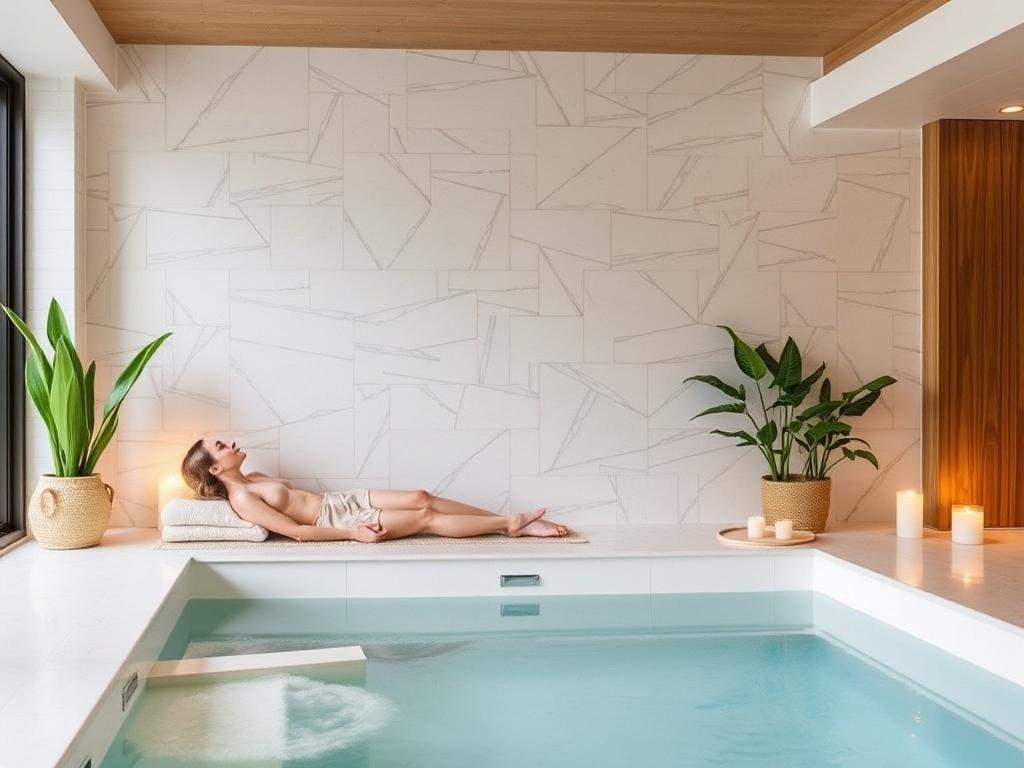
A good relaxation area does three things: it encourages rest, supports thermal recovery, and extends the sensory experience of the bathhouse. People come out of a sauna or steam room hot and often slightly light-headed. A well-arranged rest area gives them a place to cool down gradually, rehydrate, and reset before heading back to the heat or going home. Beyond function, the area should invite lingering—low lighting, comfortable seating, and a gentle soundtrack can turn a practical intermission into a ritual. Thinking of the space as a buffer zone helps with decisions about ventilation, materials, and layout.
Planning the Layout and Flow
Everything starts with flow. Place the relaxation area close to the exit of the sauna or steam room, but not directly in the path of steam or splashes. You want an easy path that keeps wet feet on waterproof surfaces and minimizes drips into comfy textiles.
– Keep these zoning principles in mind:
– Wet zone: sauna/steam, showers, cold plunge.
– Transition zone: rinse, drying, quick seats.
– Rest zone: lounging, hydration, changing.
– Plan for circulation so people can move between zones without crossing the same narrow path. If the area will host multiple people, allow 1.2–1.5 meters of walkway clearance.
Seating and Arrangement Options
Seating defines the feel of the room. Consider modular seating that can be rearranged, built-in benches for durability, and loungers for extended relaxation. Mix seating types to support different preferences—some will want to recline, others to sit upright.
– Seating ideas:
– Built-in wooden benches (for a rustic, cohesive look).
– Ergonomic loungers (for naps or long rests).
– Cube ottomans or waterproof poufs (flexible and easy to move).
– Reclining chairs with waterproof upholstery.
| Seating Type | Best For | Pros | Cons |
|---|---|---|---|
| Built-in Benches | Cohesive, durable use | Long-lasting, integrates with design | Less flexible, higher initial cost |
| Loungers | Extended relaxation | Very comfortable, adjustable | Need storage or waterproofing |
| Poufs/Ottomans | Short rests, versatile seating | Lightweight, flexible | Less supportive for long rests |
| Chairs with waterproof fabric | Casual seating | Easy to clean, comfortable | Can be damaged by chlorine or sun if outdoors |
Choosing Materials and Finishes
Material choice balances beauty with durability. The relaxation area sits near wet, warm environments so materials should resist moisture and regulate humidity. Natural wood, stone, and high-quality composites all work, but their placement matters.
Wood Choices
Wood warms a room visually and physically. Opt for species that tolerate humidity and don’t off-gas when warm.
– Cedar: naturally resistant to rot and pleasant-smelling. Warms quickly.
– Aspen and alder: used inside saunas because they remain comfortable to touch.
– Thermally modified wood: more stable in humidity and less prone to warping.
Use wood for, but not limited to, bench faces, wall accents, ceilings and trim. Avoid soft, easily dented varieties in high-traffic zones.
Flooring Options
Floors should be non-slip, waterproof, and easy to clean.
– Porcelain tile: durable and available in many finishes; choose matte, textured tiles for grip.
– Natural stone: elegant and cool underfoot; requires sealing and good drainage.
– Composite decking or engineered wood for outdoor extensions: resists moisture and movement.
– Rubber or specialized anti-slip mats in high-traffic exit zones.
Plan for a subtle slope toward drains, and use large-format tiles or long planks to reduce grout lines where mold can form.
Waterproofing and Drainage
Good waterproofing is invisible until it fails—so do it right. Behind tile or wood cladding, a waterproof membrane prevents moisture migration into the structure. Sloped surfaces toward a properly sized drain avoid pooling. If the relaxation area includes a shower or cold plunge, ensure local codes for drainage and waterproofing are met and inspected.
Comfort and Thermal Considerations
A relaxation area must feel thermally balanced. It’s not as hot as the sauna, but it shouldn’t be cold enough to cause shivering. The objective is progressive cooling.
Ventilation and Air Movement
Fresh air is essential. Ventilation clears residual humidity and keeps the atmosphere crisp. Use passive ventilation—high vents that let warm air escape—and active systems like quiet, low-speed fans or heat-recovery ventilators for continuous turnover. Avoid strong drafts directly on seating, which can make the space uncomfortable.
Insulation and Thermal Buffering
Proper insulation around the heat room prevents temperature spikes in the relaxation area. Use insulated walls and doors with good seals to keep heat where it belongs while allowing the rest area to remain temperate. Thermal buffering—materials that absorb and slowly release heat, such as stone or thick wood—keeps fluctuations gentle.
Creating a Cooling Area
Designate a cooling corner with chilled towels, a cold-water basin or a small cold plunge if space permits. Add hooks for towels and a shelf for rehydration.
– Cooling feature ideas:
– Stainless steel basin with cold water and ladles.
– Masonry cold plunge or compact ice tub.
– Spray mist shower head on low pressure for a gentle cool-down.
Lighting and Ambiance
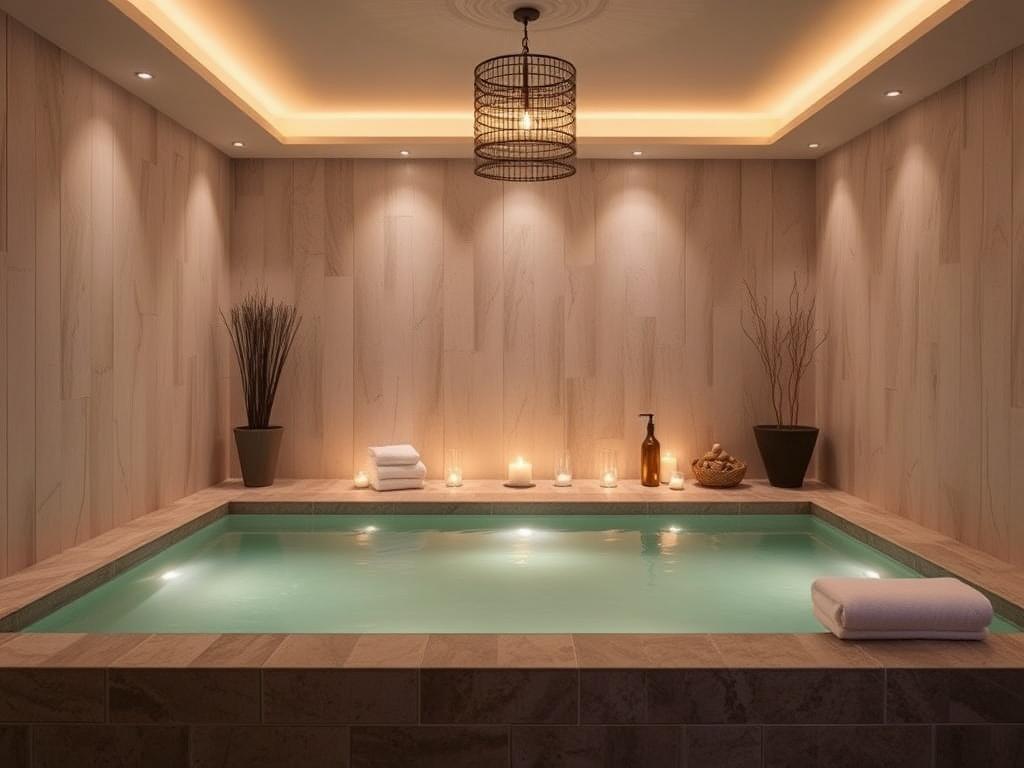
Lighting makes or breaks mood. Aim for layered lighting: soft ambient light, targeted task lighting, and a few accent highlights.
– Use warm LED lights (2700–3000K) for a cozy glow.
– Install dimmers to control intensity and allow the room to shift from bright cleaning light to soft evening ambiance.
– Consider indirect lighting hidden behind bench backs, under shelves, or within niches to produce a gentle wash rather than glare.
– Night lights or low-level floor strips can guide people safely after dark.
Candles add a tactile, flickering warmth, but if you use real flames, observe strict safety rules and keep flames far from textiles. Flameless LED candles are an attractive alternative.
Furniture, Storage and Practical Accessories
Furniture in a bathhouse relaxation area should be functional and resilient. Plan storage to keep the space uncluttered—this preserves the calming effect.
- Towel racks and heated towel rails to keep linens dry and warm.
- Lockers or cubbies for personal items; label them for visitors.
- Side tables near loungers for water glasses, phones, or books.
- Laundry bins with breathable construction for used towels.
Consider built-in storage below benches or in alcoves to preserve floor space. Materials should be moisture-resistant: stainless steel, sealed woods, or marine-grade composites.
Storage Solutions Table
| Storage Type | Best Use | Material Suggestion |
|---|---|---|
| Built-in Cubby | Spare towels, slippers | Sealed cedar, marine plywood |
| Lockers | Personal belongings | Powder-coated steel or waterproof laminate |
| Open Shelves | Decor, aromatherapy diffusers | Thermally modified wood |
Aromatherapy, Sound and Sensory Design
Scent and sound are powerful tools. Carefully chosen aromas can calm or invigorate, while gentle soundscapes mask mechanical noises and promote relaxation.
– Aromas:
– Eucalyptus and menthol for clear breathing after steam.
– Lavender and chamomile for calming.
– Citrus notes for an uplifting finish.
– Delivery methods:
– Reed diffusers and electric diffusers are safe in humid environments.
– Buckets of warm water with a few drops of essential oil near the heat source—used sparingly to avoid strong concentrations.
– Sound:
– Install hidden speakers for ambient music or nature sounds.
– Choose low-frequency, slow-tempo tracks to encourage slowed breathing.
– Keep sound levels low; the relaxation area should never feel like a club.
Decor and Greenery
Decor should be minimal and meaningful. Select pieces that can tolerate humidity or are positioned where they won’t be affected by splashes.
– Art: framed prints behind glass or ceramic pieces work well. Avoid paper-only pieces close to steam.
– Textiles: use quick-drying, mildew-resistant fabrics for cushions and throws. Cotton and linen blends treated for moisture are practical.
– Plants: greenery adds life and improves air quality—choose species tolerant of humidity and lower light.
- Best plant choices:
- Boston fern (Nephrolepis exaltata) – loves humidity
- Spider plant (Chlorophytum comosum) – resilient and forgiving
- Peace lily (Spathiphyllum) – tolerates low light and humidity
- Phalaenopsis orchid – adds elegance and tolerates warm, humid spaces
Place plants on higher shelves or in corners with good air movement to reduce the risk of mold around soil. Use saucers and humidity-tolerant potting mixes.
Outdoor Extensions: Porches, Hot Tubs and Cold Plunges
If your bathhouse opens to an outdoor space, that outdoor extension becomes part of the ritual. Cold plunges, hot tubs, a porch with rocking chairs, or a fire pit all enhance the experience.
– Safety first: non-slip surfaces, railings, and secure steps are critical.
– Transition areas: add an intermediate shelter or screened porch to change temperature gradually.
– Privacy: use screens, hedges, or fences to create an intimate outdoor room.
Consider a covered porch with a few lounge chairs and a small table. Add outdoor-grade textiles and a towel warmer near the door. A cold plunge or plunge pool should have mechanical systems designed for sanitation, filtration, and safe temperature control.
Safety, Hygiene and Maintenance
A beautiful relaxation area must also be safe and easy to maintain. High humidity encourages mold and bacteria, so choose materials and cleaning routines accordingly.
– Non-slip surfaces: use textured tiles, rubber mats, or etched stone in walkways.
– Electrical safety: all outlets should be GFCI protected; lighting fixtures should be rated for damp or wet locations.
– Cleaning routine:
– Daily: wipe surfaces, empty trash, hang towels to dry.
– Weekly: clean floors, treat grout lines, dust vents.
– Monthly: inspect seals, waterproof membranes, and drainage.
– Mold prevention: keep air moving, maintain humidity below levels that support mold, and use mildew-resistant paints and sealants.
Budgeting and Professional Help
Costs vary widely depending on finishes and whether you DIY or hire professionals. Below is a simplified cost comparison to help you plan. Prices are general estimates and will vary by region and project scope.
| Project Element | Low Budget (DIY) | Mid Budget | High Budget (Professional) |
|---|---|---|---|
| Flooring | $500–$1,500 (tiles/rubber tiles) | $1,500–$4,000 (porcelain stone look) | $4,000–$10,000 (natural stone, heated) |
| Seating | $200–$800 (simple furniture) | $800–$3,000 (built-ins + quality loungers) | $3,000–$10,000 (custom benches + upholstery) |
| Lighting & Electrical | $150–$800 | $800–$2,500 | $2,500–$8,000 (integrated systems) |
| Water Features (cold plunge) | $500–$2,000 (DIY tub) | $2,000–$8,000 | $8,000–$25,000 (installed concrete/plumbed unit) |
| Total Typical Range | $1,500–$5,000 | $5,000–$20,000 | $20,000+ |
Hiring a contractor for plumbing and electrical work is usually worth the expense; local codes and safety standards matter. If you plan to add a cold plunge or hot tub, consult licensed professionals for structural, electrical and plumbing needs.
Small Space Solutions
Not everyone has room for a sprawling rest area. Small spaces can be just as calming with thoughtful decisions.
– Use vertical storage and fold-away furniture.
– Choose multi-function pieces: bench with storage, stools that double as tables.
– Keep the palette light and the layout uncluttered to make the area feel larger.
– Install a window or skylight, if possible, for natural light and a view.
– A single stretchy lounge chair, a towel warmer, and a small side table can make a tiny space feel luxurious.
Sustainability and Energy Efficiency
Sustainability reduces running costs and is kinder to the planet. A few practical moves yield big returns.
– Use high-efficiency heating and recovery systems to capture and reuse heat from showers and steam vents.
– Choose sustainably harvested wood and low-VOC finishes.
– Opt for LED lighting and controls like motion sensors or timers.
– Consider solar pre-heating for water used in showers or small pools.
– Insulate thoroughly—less heat loss reduces energy use and improves comfort.
Sample Layouts and Inspiration
Here are three layout sketches you can adapt. Measurements are flexible; tailor them to your available space.
– Cozy Linear Layout (for narrow spaces):
– Sauna/steam at one end.
– Central corridor with anti-slip flooring.
– Bench seating along a single wall with built-in cubbies underneath.
– Small table and two poufs at the far end near the door.
– Open Social Layout (for medium rooms):
– Sauna/steam offset to one side with double doors.
– Central loungers and a small conversation area with two chairs and a coffee table.
– Hydration station with mini-fridge and water jug on a side counter.
– Luxurious Retreat (for larger builds):
– Separate cold plunge room accessed through the relaxation area.
– Multiple seating zones: reclined loungers, upright benches, and a small dining-height table for tea.
– Outdoor access to a covered porch with a fire pit and outdoor loungers.
Checklist: Building Your Relaxation Area
Use this checklist to keep the project on track:
- Define the purpose: daily use, entertaining, therapy?
- Measure the space and sketch the flow between wet, transition, and rest zones.
- Choose flooring with drainage and non-slip properties.
- Select moisture-tolerant materials and finishes for walls and benches.
- Plan ventilation and insulation to control humidity and temperature.
- Decide on seating types and storage solutions.
- Design layered lighting with dimmers and safe fixture ratings.
- Choose plant species and décor that tolerate humidity.
- Include safety measures: GFCI outlets, anti-slip surfaces, secure railings.
- Set a realistic budget and decide between DIY, partial contractor, or full professional build.
- Schedule regular cleaning and maintenance tasks.
Common Mistakes to Avoid
A few choices can turn an inviting space into a maintenance headache. Keep an eye out.
– Putting soft, non-waterproof furniture too close to steam sources. Moisture wrecks upholstery.
– Skimping on ventilation. Stale, humid air breeds mold and odors.
– Choosing glossy, slippery flooring. Looks are nice until someone slips.
– Over-illumination. Harsh light kills serenity.
– Forgetting practical storage. Clutter kills calm faster than any design flaw.
Bringing Personality to the Space
The best relaxation areas reflect the people who use them. Add a few personal touches that won’t suffer in humidity:
– A curated shelf with a few favorite books or beautiful glass jars of salts and scrubs.
– A small, framed ritual instruction—how to alternate heat and cold safely, for example.
– A selection of essential oil blends labeled by effect (energize, calm, clear). Keep them sealed and away from direct heat when not in use.
These small gestures turn a functional room into a meaningful ritual space.
Maintenance Tips for Longevity
Routine care keeps the area pristine and extends the life of materials.
– Wipe down benches and surfaces after heavy use.
– Air out the room by opening vents or doors after sessions.
– Check seals, grout and membranes yearly and repair at the first sign of compromise.
– Use mild cleaners that won’t remove protective finishes or varnishes.
– Replace towels and textiles regularly to prevent bacterial buildup.
Final Design Inspirations
Think in layers: a base of robust materials, a middle layer of comfortable furnishings, and a top layer of sensory details. A slate floor anchors the room; teak benches add a warm middle; a row of low brass lamps, an essential oil diffuser and a small indoor fern complete the top layer. Leave enough empty space to breathe—visual quiet is as important as physical comfort.
Conclusion
Designing a relaxation area in your bathhouse is an opportunity to craft a small retreat that supports ritual, rest and recovery; by planning flow, choosing moisture-friendly materials, balancing thermal comfort and lighting, and adding thoughtful furniture, aroma and greenery, you can create a space that feels both practical and quietly luxurious—one that invites people to sit, breathe and stay a while.

