
Bathhouse and Blood Pressure: How to Steam with Hypertension and Hypotension
Walking into a bathhouse is a sensory invitation: warm stone, the hiss of steam, pulse quickening as the air presses against your skin. For many people, a steam session is unmistakable relaxation. But if your blood pressure tends to run high or low, that soft welcome can hide real risks. This article walks you through what heat does to the cardiovascular system, how steam rooms and saunas differ, and — most importantly — how to steam safely when you have hypertension or hypotension. Think of this as a practical field guide: clear physiology, evidence-based precautions, and step-by-step routines so you can enjoy the bathhouse without gambling with dizziness, fainting, or cardiac stress.
What heat does to your heart and vessels
Heat exposure triggers predictable changes in the body. Blood vessels in the skin dilate to shed heat, sweat glands turn on to cool you, and the heart responds to those shifts. Vasodilation lowers systemic vascular resistance, which usually translates to a drop in blood pressure. To keep blood flow to vital organs steady, the heart often beats faster and may pump a bit more forcefully, increasing cardiac output. For most healthy people this is temporary and well tolerated, but for someone with fragile cardiovascular balance — whether their pressures are chronically high or low — that compensation can be the difference between a pleasant sweat and a dangerous episode.
There’s another piece to the puzzle: the effect of posture and movement. Standing up in a hot room pumps blood to your legs and skin; if your circulatory reflexes are sluggish or if medication blunts your ability to constrict vessels, you may experience orthostatic hypotension — a sharp drop in blood pressure on standing that produces lightheadedness or fainting. All of these dynamics matter when you choose a bench, step up from the floor, or jump into a cold plunge afterwards.
Steam room versus dry sauna: the difference that matters
People often lump saunas and steam rooms together, but their thermal environment and effects can differ. Dry saunas are typically very hot — 70–100°C (158–212°F) — with low humidity. Steam rooms operate at lower temperatures, usually 40–50°C (104–122°F), but near 100% humidity, which makes the heat feel more intense and impairs evaporative cooling. In practical terms, the steam room increases skin temperature quickly and limits sweating efficiency; the dry sauna allows more sweat evaporation, which some people tolerate better.
Because humidity changes how your body sheds heat, people with blood pressure issues often find a steam room feels more overwhelming even at a lower set temperature. That sensation matters: perceived heat can prompt a quicker heart rate increase and earlier discomfort, nudging you to stand up and move — which may trigger orthostatic events. Choose the environment that your body tolerates and adjust session length accordingly.
Hypertension and steaming: risks and potential benefits
If you have hypertension, the immediate concern in a steam room is cardiovascular stress. Heat-induced vasodilation can initially lower peripheral resistance and blood pressure, but the reflex increase in heart rate and cardiac output can be risky in people with coronary disease, left ventricular dysfunction, or severe, uncontrolled hypertension. On the other hand, regular sauna bathing has been associated in some large observational studies with lower long-term cardiovascular mortality and improved blood pressure control. That doesn’t mean stepping into a steam room is a treatment for hypertension — it means, under controlled conditions and with medical clearance, it may be part of a healthy lifestyle for some people.
Which hypertensive patients should be cautious or avoid steaming? Anyone with poorly controlled high blood pressure, recent cardiac events (like a heart attack within weeks), unstable angina, or significant valvular disease should steer clear until a clinician clears them. Also beware if your medications cause large blood pressure swings or make you sensitive to dehydration — those effects magnify in a hot environment. For patients with stable, controlled hypertension, short, moderate-temperature sessions with monitoring and hydration are usually safer, but individual assessment is essential.
Hypotension and steam: why warmth can make you faint
For people with hypotension — chronically low blood pressure or a tendency toward orthostatic hypotension — steam rooms can magnify the problem. Heat causes blood to pool in the skin and extremities; if the nervous system or medications can’t quickly constrict vessels and raise heart rate, cerebral perfusion can fall and you may feel lightheaded or black out. Symptoms range from mild dizziness to full syncope, and the risk rises if you stand up quickly, skip hydration, or add alcohol into the mix.
People with neurogenic orthostatic hypotension (from Parkinson’s or autonomic neuropathy), those on nitrates or alpha-blockers, and elderly bathers with slow reflexes should be especially cautious. That said, some people with low baseline blood pressure tolerate modest warmth well if they proceed slowly, remain seated, and avoid abrupt position changes. Tailoring the approach — lower temperatures, shorter exposures, and careful cool-downs — makes a big difference.
If you take prescription drugs for blood pressure or other cardiovascular conditions, the bathhouse can interact with their effects in important ways. Diuretics increase the risk of dehydration and electrolyte changes, which magnify blood pressure swings in the heat. Beta-blockers blunt heart rate responses, reducing the compensatory increase that helps maintain blood pressure in a hot environment; that can worsen hypotension. Vasodilators (nitrates, nitrates in angina therapy) and calcium channel blockers can amplify heat-induced vasodilation.
ACE inhibitors and ARBs lower baseline blood pressure and, when combined with heat, can precipitate symptomatic hypotension in some people. If you take any of these medications, discuss sauna or steam use with your clinician. They may recommend timing medication doses differently on days you plan to visit a bathhouse, or starting with milder sessions to gauge your response.
Key contraindications and red flags
Certain conditions make steam bathing unsafe or require explicit medical clearance. Don’t use a steam room if you have:
- Acute coronary syndrome, recent myocardial infarction, or unstable angina
- Uncontrolled or severely high blood pressure (consult your doctor first)
- Severe aortic stenosis or advanced heart failure
- Recent stroke or severe peripheral vascular disease without clearance
- Active infections or fever — adding heat stresses the body further
And always treat symptoms like chest pain, severe breathlessness, syncope, or sudden severe dizziness as medical emergencies. Stop the session and seek immediate help.
Practical pre-steam checklist
Before you step into steam, run a quick checklist. It’s short, but it separates a safe session from a risky one. First: know your current blood pressure and how you’ve felt in similar environments. If your BP is unusually high or you feel off, skip it. Second: consider medication timing — are you on drugs that lower blood pressure or blunt heart rate? If yes, talk with your clinician about timing and dosing on bathhouse days. Third: hydrate deliberately. Don’t chug sugary drinks at the last minute — water or an electrolyte-balanced beverage is best.
Bring a buddy or let staff know you have a medical condition. In public bathhouses, having someone nearby who knows to check on you reduces the danger of fainting alone. Finally, plan your session: a measured duration, a conservative temperature or bench height, and a gradual cooldown period. This plan is your simplest defense against surprises.
Step-by-step: how to steam safely with hypertension or hypotension
- Check blood pressure: measure sitting and, if you usually have orthostatic symptoms, measure standing after one minute. If readings are unstable, postpone.
- Hydrate: drink 250–500 mL (8–16 oz) of water 15–30 minutes before entering. For those prone to electrolyte loss, consider an electrolyte solution.
- Dress and position: remove constrictive clothing and jewelry. In the steam room, sit low on the bench for cooler air; heat stratifies, being lower is safer.
- Start short: limit the first session to 5–8 minutes. If you tolerate that well, you can extend to 10–15 minutes on subsequent visits, keeping total heat exposure modest.
- Monitor symptoms: watch for lightheadedness, nausea, excessive sweating, palpitations, or visual changes. If any appear, sit down, lower your head if needed, and leave the steam room slowly.
- Cool down gradually: move to a cooler area and let your heart rate settle. Avoid standing suddenly; sit for a few minutes, sip water, and let blood redistribute slowly.
- Recheck blood pressure: after cooling, measure your BP again to ensure it’s within a safe range.
- Limit frequency: for hypertensive or hypotensive individuals, 1–3 short sessions per visit are reasonable, but don’t overdo back-to-back exposures.
Temperature, duration, and bench height — practical guidelines
There’s no universal “safe” temperature, but you can choose ranges and behaviors that reduce risk. Lower temperatures and shorter durations lower cardiovascular stress. In steam rooms especially, high humidity makes 40–45°C feel much hotter than it sounds. For people with blood pressure concerns, conservative parameters matter more than matching other bathers.
| Condition | Recommended environment | Session length | Bench selection |
|---|---|---|---|
| Controlled hypertension (on meds, stable) | Moderate steam (40–45°C) or low-temperature dry sauna | Start 5–8 min, can extend to 10–15 min after tolerance established | Lower bench; sit rather than lie down to avoid pooling |
| Uncontrolled/severe hypertension | Avoid until medically cleared | N/A | N/A |
| Mild-to-moderate hypotension or orthostatic tendencies | Lower temperature, short sessions, high humidity may be challenging | 3–6 min initially; very gradual increase if tolerated | Lower bench; keep feet on floor and avoid sudden standing |
| Medications causing low BP (diuretics, nitrates, alpha-blockers) | Start with very short exposure; consult clinician | 3–8 min; have a companion | Low bench; avoid stepping up or down rapidly |
Why bench height matters
Heat rises. The higher the bench, the hotter the microclimate. Sitting on the top bench may expose you to several degrees higher temperature and a much stronger cardiovascular response. For people with blood pressure instability, the lower bench is safer because it offers cooler air and slower heating of the skin and core temperature. That slower heating gives time for compensatory mechanisms to work without being overwhelmed.
Cold plunges, contrast therapy, and blood pressure swings
Many bathhouse routines alternate heat with cold plunges or showers. Contrast therapy can invigorate circulation for healthy people, but it’s a shock to the cardiovascular system: heat dilates vessels, cold constricts them abruptly. For someone with hypertension, cold exposure can spike blood pressure and heart rate temporarily; for someone with hypotension, it can improve tone and transiently raise BP, but the transition can still cause instability, especially if you stand quickly after the cold shock.
If you plan to use contrast therapy, do so cautiously. Skip sudden, extreme cold plunges if you have known coronary disease, uncontrolled hypertension, or a history of arrhythmia. Consider a lukewarm to cool shower instead of a deep ice plunge, and always sit for a minute after the cold exposure before moving. Gradual transitions are kinder to fragile cardiovascular systems.
Special populations: age, pregnancy, and chronic illness
Older adults have less robust autonomic reflexes and thinner skin, which reduces heat dissipation and raises risk of orthostatic events. Begin with shorter sessions and stay well hydrated; if you use mobility aids, keep them close. Pregnant people should avoid high temperatures and prolonged heat exposure, particularly in the first trimester — hyperthermia has been linked to neural tube defects in early pregnancy. Many obstetric guidelines recommend avoiding saunas and hot tubs during pregnancy, and steam rooms often fall into the same category; consult your obstetrician.
People with diabetes may have autonomic neuropathy that blunts cardiovascular reflexes and sweat response, making heat exposure riskier and less predictable. Those with chronic kidney disease on diuretics or with electrolyte disturbances should consult nephrology before routine steam use. In all these groups, personalized medical advice is crucial.
Signs you should stop immediately
No one enjoys leaving a pleasant steam session early, but recognizing early warning signs is lifesaving. Get out and seek help if you experience:
- Severe lightheadedness or near-fainting
- Actual loss of consciousness
- Chest pain, pressure, or squeezing sensation
- Palpitations with shortness of breath
- Severe nausea, vomiting, or disorientation
These symptoms may indicate dangerous hypotension, arrhythmia, myocardial ischemia, or heat-related illness. If symptoms resolve quickly after cooling and sitting, follow up with your clinician; if they persist or are severe, call emergency services.
Monitoring and technology: practical tools
Portable blood pressure monitors allow you to check yourself before and after a session. They’re not perfect in hot, humid conditions, but a seated measurement in the dressing room provides useful trend information. Wearable heart rate monitors can also warn you of an exaggerated tachycardic response; an unusual jump in heart rate during the first few minutes suggests you should step out. Don’t rely on apps to diagnose problems, but use them as early-warning tools and communicate worrisome patterns to your clinician.
Safer steam routines for hypertension and hypotension
Design your visit around a few core principles: moderation, monitoring, hydration, and gradual transitions. Here are example routines tailored to different conditions. These are templates — adapt them with medical advice.
Sample routine for controlled hypertension
- Pre-check BP and hydrate 15–30 minutes before entry.
- Start on the lower bench for 5–8 minutes.
- Leave the steam room and sit in a cooler area for 5–10 minutes while sipping water.
- If feeling well, repeat once for another 5–8 minutes; avoid more than three short sessions.
- Finish with a cool shower rather than an extreme cold plunge.
Sample routine for hypotension or orthostatic intolerance
- Measure blood pressure sitting and standing; ensure baseline is acceptable. Hydrate well.
- Enter the steam room and sit on the lowest bench for 3–5 minutes only.
- Leave slowly, sit down immediately in a cooler space, and elevate your feet slightly to promote cerebral perfusion.
- Re-measure BP; only consider a second short exposure if you remain stable.
- Avoid abrupt position changes and intense cold plunges.
Practical tips and bathhouse etiquette when you have blood pressure issues
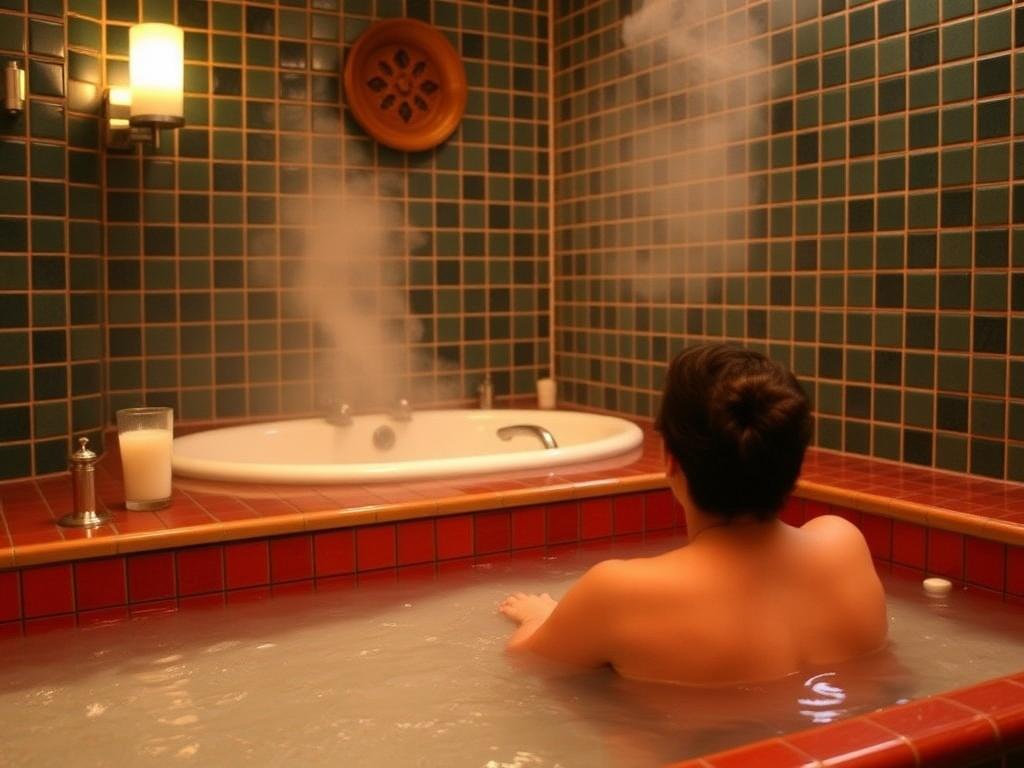
Bathhouses are communal spaces with their own culture. You can protect your health without being disruptive. Wear a small wristband or discreet note that indicates “medical condition: please check on me if necessary” if you’re worried about fainting alone. Tell staff privately if you have significant heart or blood pressure problems; many bathhouses will keep an eye on you. Avoid alcohol before and during your visit — it dilates blood vessels and dehydrates.
Dress minimally but safely: loose, breathable towels are better than heavy, wet robes that can trap heat against your skin. Keep a bottle of water nearby and a small cooling towel you can apply to your neck. And remember: it’s fine to leave early. Nobody at the bathhouse will be offended if you choose health over endurance.
Common myths and FAQs
- Myth: “Saunas cure high blood pressure.” Reality: Regular sauna bathing has been associated with cardiovascular benefits in observational studies, but it’s not a replacement for medications or lifestyle therapy.
- Myth: “If I faint, it’s just from heat — nothing serious.” Reality: Fainting can indicate dangerous cardiac or cerebrovascular problems; seek medical evaluation.
- FAQ: “Can I steam after exercise?” Light steaming after moderate exercise is reasonable, but avoid immediately after very intense workouts. Your body is already shifting fluids and blood flow; add heat and you amplify those changes. Wait until your heart rate comes down and you’ve rehydrated.
- FAQ: “Is morning or evening better?” There’s no universal rule. Some people tolerate heat better in the morning; others find the evening calming. The deciding factor is medication timing, meal timing, and your own symptom pattern.
When to see a doctor
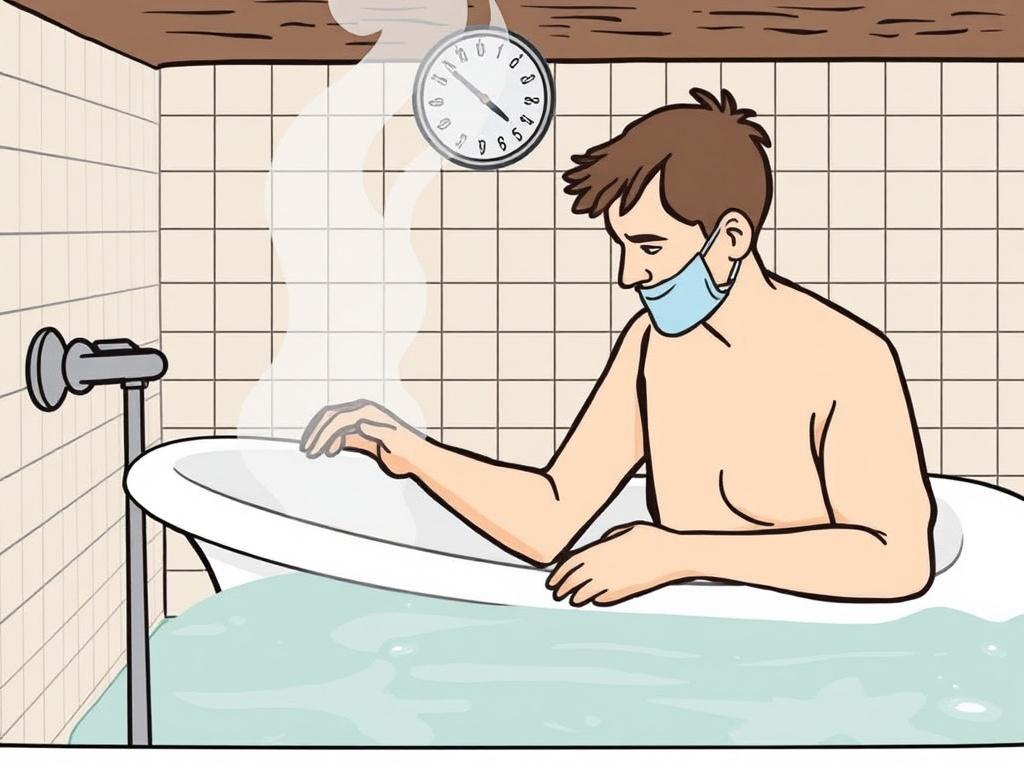
Discuss steam sessions with your clinician if you have: newly diagnosed high or low blood pressure, significant medication changes, known heart disease, a recent hospitalization for cardiovascular issues, or recurrent fainting. Bring details: how long your sessions are, what temperatures you tried, and whether you used cold plunges. If your clinician clears you, ask for specific, written guidance tailored to your medicines and comorbidities.
If you experience unexplained chest pain, persistent palpitations, recurrent syncope, or a new pattern of severe dizziness after steam exposure, seek immediate care. Those symptoms may reveal underlying arrhythmias, ischemia, or autonomic dysfunction that merit urgent evaluation.
Putting it together: a risk-mitigation checklist
Before you go to the steam room, run through this quick checklist. It’s a practical way to reduce risk and enjoy your visit with confidence.
- Check current BP and record values.
- Confirm recent medication changes with your clinician.
- Hydrate 15–30 minutes beforehand and bring water.
- Choose a low bench and limit initial exposure to 3–8 minutes.
- Avoid alcohol and heavy meals immediately before steaming.
- Have a friend or inform staff about your condition.
- Cool down gradually; recheck blood pressure afterward.
- Stop immediately for chest pain, severe dizziness, or fainting.
Simple monitoring log you can use
Keeping a short log for a few visits helps you and your clinician spot patterns. Record date, time, pre- and post-session blood pressure, session length, bench used, symptoms, hydration, and medications taken that day. After several entries, you’ll see whether steam consistently lowers your BP, raises your heart rate too much, or produces troubling symptoms.
| Date | Pre-BP | Post-BP | Session length | Bench | Medications | Symptoms |
|---|---|---|---|---|---|---|
| 2025-11-01 | 130/80 | 118/72 | 8 min | lower | amlodipine morning | none |
| 2025-11-08 | 128/78 | 122/70 | 10 min | lower | no meds yet | mild lightheaded on standing |
Final thoughts and sensible rules
Heat exposure in a bathhouse is not categorically forbidden for people with blood pressure disorders, but it does demand respect. The physiology is straightforward: heat dilates vessels and shifts blood, and your heart and nervous system must compensate. That compensation is what may fail or become risky if you have heart disease, fragile blood pressure control, or medications that alter those reflexes. The good news is that sensible practices — check your BP, hydrate, stay low on the bench, keep sessions short, avoid alcohol and extremes in temperature, and consult your clinician — turn a potentially hazardous environment into a manageable ritual.
Saunas and steam rooms also bring intangible benefits: stress relief, improved sleep for some people, and a cultural ritual that fosters connection. When used thoughtfully, they can form part of a healthy lifestyle. But “thoughtfully” here means individualized. Your single best move is a frank conversation with your doctor about your specific cardiovascular profile and medication regimen, combined with conservative trial sessions that prioritize safety over endurance. Heat is a powerful stimulus — a little knowledge and restraint keep the experience restorative instead of risky.
Resources and further reading
If you want to dig deeper, look for reputable sources: peer-reviewed studies on sauna bathing and cardiovascular outcomes, guidelines from cardiology societies about physical activity and heat exposure, and professional advice from your own clinic. Medical librarians and your clinician can point you toward studies specific to your condition. Remember that large observational studies point to associations, not guaranteed results for individuals; personal medical advice always comes first.
Quick-reference takeaways
- Heat causes vasodilation and often lowers BP acutely, but cardiovascular compensation can be stressful, especially for those with heart disease.
- Steam rooms are lower in temperature but high in humidity — they often feel more intense than dry saunas.
- People with uncontrolled hypertension, recent cardiac events, or severe valvular disease should avoid saunas until cleared.
- Those with hypotension or orthostatic intolerance should use very short, low-bench sessions and avoid abrupt position changes.
- Hydrate, monitor BP, avoid alcohol, and have someone aware of your condition when you visit a bathhouse.
Conclusion
Steaming in a bathhouse can be restorative, but for people with high or low blood pressure it requires careful planning: know your numbers, consider your medications, start with short, cool sessions on the lower bench, hydrate, avoid alcohol and abrupt transitions, and consult your clinician if you have significant cardiac disease or unstable blood pressure. When approached thoughtfully, the steam room can be part of a balanced wellness routine; approached casually, it can provoke dizziness, fainting, or worse. Listen to your body, err on the side of caution, and use the practical steps above to keep your steam sessions both enjoyable and safe.

