
Bathhouse and Alcohol: Why They Should Not Be Combined
Stepping into a bathhouse is meant to be restorative: the slow hush of steam, the way heat loosens tight muscles, the hush of breathing a little deeper. Yet, for many people, that ritual is paired with a cold beer, a shot of vodka, or a celebratory drink. It feels harmless—sometimes even traditional—but mixing alcohol and high heat is riskier than it looks. This article walks through the physiology, the real-world dangers, cultural context, practical safety steps, and what owners and friends can do to keep the experience safe. No scaremongering, just clear facts and common-sense advice so you can enjoy warmth without unnecessary harm.
Read on if you want to understand exactly why those two pleasures—alcohol and a hot room—don’t make a good team, what signs to watch for, and how to preserve social rituals without putting anyone at risk. Each section takes a different angle: how your body responds to heat, how alcohol changes that response, the combined hazards, and practical, actionable tips to lower risk.
What happens to your body inside a bathhouse?
A bathhouse—whether a dry sauna, a wet steam room, or a hot tub—exposes your body to elevated temperature and, often, high humidity. That heat prompts a cascade of physiological responses aimed at preserving core temperature. Blood vessels near the skin dilate to increase blood flow to the surface. Sweat glands kick in to cool the body through evaporation. Heart rate climbs to move blood faster, and breathing usually becomes a bit quicker. In short: your cardiovascular and thermoregulatory systems go to work.
For a healthy person, these changes are usually manageable in short bursts. A typical sauna session might last 8–15 minutes and is followed by a cool-down period; repeating this cycle is common in many bathing traditions. The key is that the body is under stress—heat is a demand—and that demand is what produces the relaxing and restorative effects. But stress is still stress: heart rate and circulatory redistribution mean the body is operating closer to its limits than at rest.
Other variables matter too. Humidity changes how effectively sweat cools you. In a dry sauna, sweat evaporates quickly and cooling is efficient; in a humid steam room, evaporation is slower, so your body struggles more to lower temperature. Hydration status, fitness, age, and medications all change how well a person tolerates heat. The bathhouse is not a neutral environment; it magnifies the effects of other influences on the body.
How alcohol affects the same systems
Alcohol is a psychoactive substance with predictable physiological effects. One of the first is vasodilation—blood vessels widen, especially near the skin—which produces that flushed, warm feeling after a drink. Alcohol is also a mild diuretic, meaning it increases urine output and can promote dehydration. It depresses the central nervous system, impairing judgment, coordination, and the ability to sense danger. On the cardiac side, alcohol can increase heart rate and, in some people, provoke arrhythmias.
Because alcohol alters sensation and decision-making, people who drink may underestimate how hot they feel, misjudge how long they can safely stay in the heat, or ignore warning signs. That combination—physiologic changes plus impaired perception—sets the stage for trouble when you pair alcohol with a bathhouse.
Why the combination is dangerous
Put heat and alcohol together and the risks don’t just add—they compound. Each factor challenges the body’s ability to maintain blood pressure and core temperature. Heat sends blood to the skin to shed heat; alcohol dilates vessels further and reduces central blood volume through diuresis. Together they can produce dangerously low blood pressure, dizzy spells, fainting, and reduced blood flow to vital organs. Someone who is intoxicated may pass out in a hot room; in a steam room or hot tub that can be lethal if no one notices.
Beyond fainting, cardiovascular strain is a major concern. The heart works harder because of heat-induced tachycardia (fast heart rate) and alcohol’s effects on heart rhythm and rate. In people with underlying heart disease—even if it’s undiagnosed—that increased demand can trigger angina, arrhythmias, or worse. The risk is not limited to heavy drinkers: even modest alcohol can change vascular tone and perception enough to increase danger.
Cardiovascular risks
Both sauna heat and alcohol increase cardiac workload. Heat causes an increase in heart rate and directs blood toward peripheral circulation. Alcohol amplifies vasodilation and can lead to an exaggerated drop in blood pressure upon standing (orthostatic hypotension). The combination elevates the chance of syncope (fainting), falls, and cardiac events. People with hypertension, coronary artery disease, heart failure, or previous arrhythmias are particularly vulnerable; but even healthy adults can experience dangerous drops in blood pressure when drinking in a hot environment.
Thermoregulation and dehydration
Alcohol’s diuretic effect and the fluid loss from sweating are a poor match. If you drink and then sweat heavily without replacing fluids, you can become dehydrated quickly. Dehydration reduces blood volume, makes it harder to dissipate heat, and impairs cognition. That can accelerate heat-related illness—heat exhaustion and heat stroke—especially in humid steam rooms where evaporative cooling is inefficient.
Neurological and behavioral risks
Alcohol impairs judgment and slows reaction time. In a bathhouse setting this can lead to poor choices: longer sessions, mixing alcohol with hot water submersion, standing up too quickly, or not recognizing symptoms of heat stress. Intoxicated people may also be less able to seek help or to leave the hot area promptly. Noise levels or social pressure can compound this problem, making accidents more likely.
Real-world incidents and patterns
There are documented cases where heat and alcohol combined with tragic results: people fainting and suffering serious injuries in saunas or hot tubs, or cardiac events occurring shortly after heavy drinking followed by exposure to high heat. While public health reports vary by country and incident, emergency services and bathhouse operators regularly warn against alcohol use in bathing facilities.
Part of the danger is anonymity. In private parties and small spas, a person who becomes ill may be left alone, or their symptoms may be misinterpreted as simple intoxication. In larger public facilities, staff may not recognize someone’s increasing risk if the guest appears to be “just a little tipsy.” That’s why clear policies and attentive supervision matter.
Common myths and cultural practices
Across cultures, bathing rituals often coexist with drinking. In Finland and parts of Russia, sauna visits sometimes follow social drinking. That familiarity breeds complacency: the routine of a drink plus a sauna starts to feel benign. Yet traditions developed when people’s lifestyles differed from today’s: lower average life expectancy, different patterns of alcohol consumption, and less reliance on medications that interact with heat and alcohol.
Another myth is that a cold beer after a sauna is restorative enough to counter any heat stress. Immediate cooling can feel pleasant—but it doesn’t reverse the cardiovascular and dehydrating effects of prior alcohol consumption. Likewise, the notion that a single drink won’t matter is tempting. While individual tolerance varies, even modest alcohol before or during heat exposure can raise risk substantially for susceptible people.
Who is most at risk?
Some people are at greater risk when combining alcohol and bathhouse use. This includes older adults, whose cardiovascular systems and thermoregulation are less flexible; people with known heart disease, high blood pressure, diabetes, or respiratory conditions; pregnant women; and anyone on medications that affect blood pressure, heart rate, or fluid balance—such as beta blockers, diuretics, antihypertensives, sedatives, or certain antidepressants. Children and teens are also vulnerable and should not be exposed to intense heat after drinking.
Underlying dehydration, recent strenuous exercise, or overheating before drinking further increase risk. In practice, that means someone who’s been out in the sun, who’s exerted themselves, or who has had several drinks should avoid the bathhouse entirely until fully recovered and rehydrated.
Recognizing the warning signs
Knowing the early symptoms of heat-related problems and alcohol-related impairment can save lives. Learn to spot these signs in yourself and others.
- Lightheadedness or dizziness, especially on standing
- Profuse sweating followed by a sudden feeling of weakness
- Nausea or vomiting
- Palpitations or an oddly fast or irregular heartbeat
- Confusion, slowed responses, or unusual sleepiness
- Headache and visual changes
- Loss of consciousness or fainting
Heat stroke in particular is a medical emergency: a very high body temperature (often above 40°C/104°F), altered mental status, and potential organ dysfunction. If a person is unconscious or confused, call emergency services immediately and move them to a cooler area while starting first-aid cooling measures if safe to do so.
Practical guidance: how to enjoy a bathhouse safely
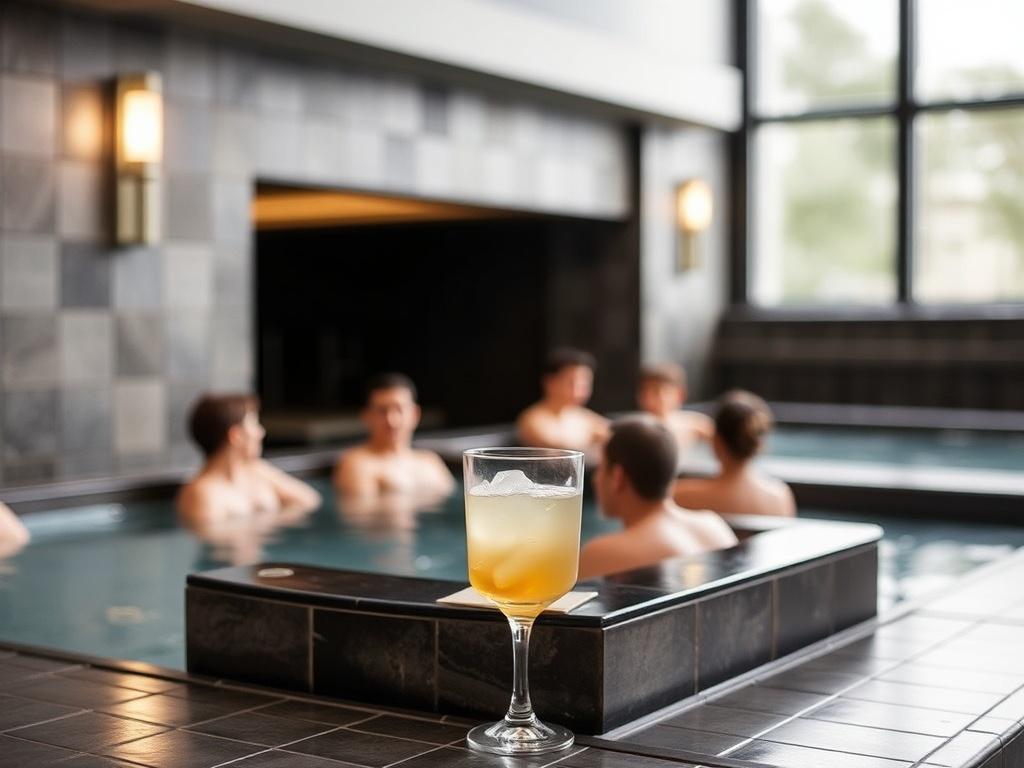
You don’t need to give up social customs to stay safe; you need boundaries and a little planning. The simplest rule is this: avoid alcohol before and during a bathhouse session. If you want something to mark the occasion, choose non-alcoholic alternatives and hydrate.
Here are practical steps people can take:
- Avoid drinking alcohol for several hours before entering the sauna or steam room. For many people, “several” should mean at least 12 hours after heavy drinking; for light drinking, a minimum of a few hours plus rehydration is sensible.
- Hydrate with water before going in, sip during breaks, and rehydrate after. Electrolyte drinks can help if you’ve sweated heavily.
- Limit session length: 8–15 minutes per sauna session is a common guideline—shorter in very hot or humid conditions.
- Cool down gradually between sessions; don’t stand up suddenly from a hot bench.
- Use a buddy system: go with someone who can notice any change in your condition and act if needed.
- If you feel any dizziness, palpitations, or unusual weakness, leave the hot area and sit or lie down in a cool place.
- Avoid alcohol altogether if you are taking medications that affect blood pressure, heart rate, or cognition without consulting your healthcare provider.
These are practical, low-effort rules that dramatically reduce risk while preserving the social and relaxation aspects of bathing.
Timing and moderation: how long to wait after drinking
It’s difficult to give a one-size-fits-all rule because alcohol metabolism varies with body size, sex, food intake, liver function, and drinking amount. A cautious approach is best. After heavy drinking—multiple drinks in a short period—it’s sensible to stay out of a hot bathhouse for at least 24 hours, both to let hydration and physiological balance recover and to ensure sobriety. After one or two standard drinks, waiting several hours while hydrating and ensuring you feel fully alert and stable is a minimum guideline.
If you are unsure whether you are still under the influence, don’t risk the bathhouse: err on the side of safety. The warmth will still be there another day.
What operators and hosts can do
Bathhouse and spa operators have a responsibility to manage risk. Simple, sensible policies make a big difference. Staff should be trained to recognize signs of intoxication and heat-related illness. Facilities should provide clear signage that discourages alcohol before and during bathing and that lists contraindications—pregnancy, heart disease, certain medications.
Operational steps include:
- Visible warnings and educational materials about alcohol and heat.
- Providing free water stations and cool-down areas.
- Clear policies to refuse service to visibly intoxicated guests, similar to responsible alcohol service policies in bars.
- Staff training in first aid and emergency response, including how to cool someone safely and when to call emergency services.
- Physical safety features—non-slip flooring, handrails, and temperature controls.
Table: Quick comparison — Bathhouse with alcohol vs. Bathhouse without alcohol
| Factor | With Alcohol | Without Alcohol |
|---|---|---|
| Perception of heat | Blunted; may not notice danger | Accurate; easier to judge comfort |
| Blood pressure stability | Higher risk of drops and fainting | More stable circulation |
| Hydration | Worse—diuretic effect raises dehydration risk | Easier to maintain with water |
| Judgment and coordination | Impaired—more risky behaviors | Clearer decision-making |
| Overall safety | Significantly higher risk of adverse events | Lower risk when guidelines followed |
If someone collapses or shows signs of heat illness, quick action helps. Move the person to a cool area, loosen restrictive clothing, and have them lie down with feet raised if there’s no suspicion of spinal injury. Offer sips of water if they are conscious and able to swallow. Use cool, damp cloths on the skin or fan them to encourage evaporation cooling.
Do not give alcohol or caffeinated beverages. If the person is unconscious, confused, has a very high temperature, or their symptoms worsen, treat it as an emergency and call emergency services immediately. Do not assume that visible intoxication explains all symptoms; heat stroke can be rapidly fatal and requires urgent care.
Alternatives that preserve ritual but reduce risk
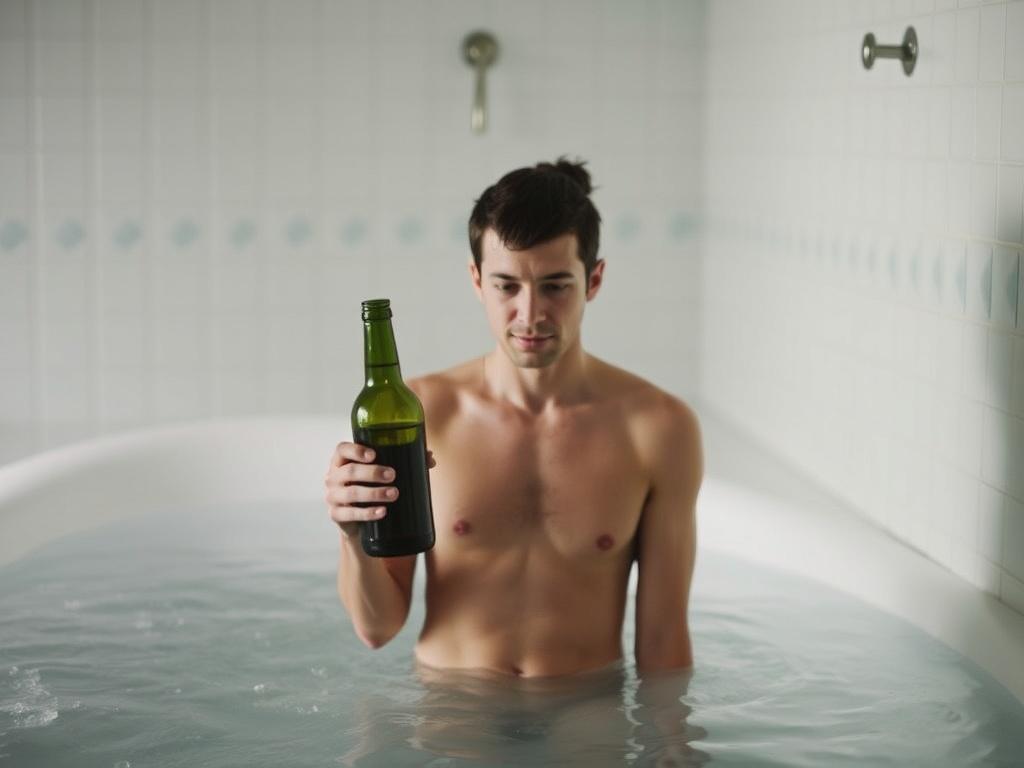
Many bathhouse rituals include toasting and shared drinks. You can preserve that social element without the harm. Non-alcoholic beers, sparkling water with citrus, herbal teas, or mocktails can serve as meaningful substitutes. Cold, flavored mineral water or electrolyte beverages feel festive and help replenish fluids.
Rituals can also be adjusted: make the drink the reward after the bath, consumed at a safe temperature and in a cool environment, rather than before or during the heat exposure. This preserves social bonding without putting cardiovascular systems under concurrent stress.
Legal and ethical considerations
From a liability standpoint, operators who knowingly allow intoxicated patrons into high-risk environments may expose themselves to legal consequences if injury occurs. Ethically, ensuring guest safety is straightforward: clear communication, refusal of service when necessary, and staff preparedness protect both customers and the business.
Individuals also bear responsibility for their own safety and that of companions. Choosing not to drink before a bathhouse visit is a small tradeoff with big safety benefits.
Frequently asked questions
Is one drink really that risky before a sauna?
One drink in isolation might not cause obvious harm for a healthy adult, but even modest amounts can impair perception and begin to alter cardiovascular function. In practice, the safest choice is to avoid drinking immediately before or during a session. If you choose to drink, wait, hydrate, and be conservative about session length and temperature.
Can I drink after a sauna?
Yes, you can—but timing matters. Rehydrate first. Wait until your heart rate and breathing return to near baseline, and you feel fully alert. If you were drinking heavily earlier, postpone alcohol until the next day. Moderation is the key.
Does the type of alcohol matter?
All alcoholic beverages share the same core risks—vasodilation, diuresis, and central nervous system effects—so type (beer, wine, spirits) matters less than amount and timing. Stronger drinks consumed quickly can create more pronounced acute effects.
Practical checklist before entering a bathhouse
- Have you had alcohol recently? If yes, wait and hydrate until you are sober.
- Are you on medications that might interact with heat or alcohol? Check with a clinician if unsure.
- Are you feeling well-rested and hydrated? If not, skip or shorten the session.
- Do you have a buddy or someone watching? Never go alone if you’ve consumed alcohol earlier in the day.
- Do you know the signs of heat illness and where to get help at the facility?
Summary of key safety measures
Simple rules cut most risk: avoid alcohol before and during heat exposure, hydrate adequately, limit session length, know your limits, and use the buddy system. Facilities should display clear warnings and empower staff to refuse service to those who are intoxicated. With a little forethought, enjoying a bathhouse can remain a restorative ritual rather than a dangerous gamble.
Conclusion
Alcohol and bathhouses are a poor pairing because both disturb blood pressure, hydration, and judgment; combined, they can produce fainting, injury, cardiac events, and heat illness. You can keep the social and relaxing aspects of bathing while staying safe by avoiding alcohol before or during sessions, hydrating, pacing yourself, and watching out for friends. Bathhouse owners and hosts should support safety with signage, water, staff training, and refusal policies for intoxicated guests. Respecting these simple boundaries lets heat heal rather than harm.

