
Bathhouse for Men’s Health: What You Need to Know
Walk into a bathhouse and you step into a ritual that’s part spa, part social club, and part therapy. For men, the bathhouse has historically been a place to cleanse, unwind, and talk shop. Today it’s also a deliberate health practice: from sweating in a dry sauna to plunging into icy water, the modern bathhouse can be a tool for cardiovascular fitness, stress relief, muscle recovery, and social connection. But like any powerful tool, it comes with trade-offs. This article breaks down what happens to the body in a bathhouse, how different treatments compare, what the research says about specific men’s health concerns, and how to use these practices safely and effectively.
What a Bathhouse Offers: More Than Warm Water
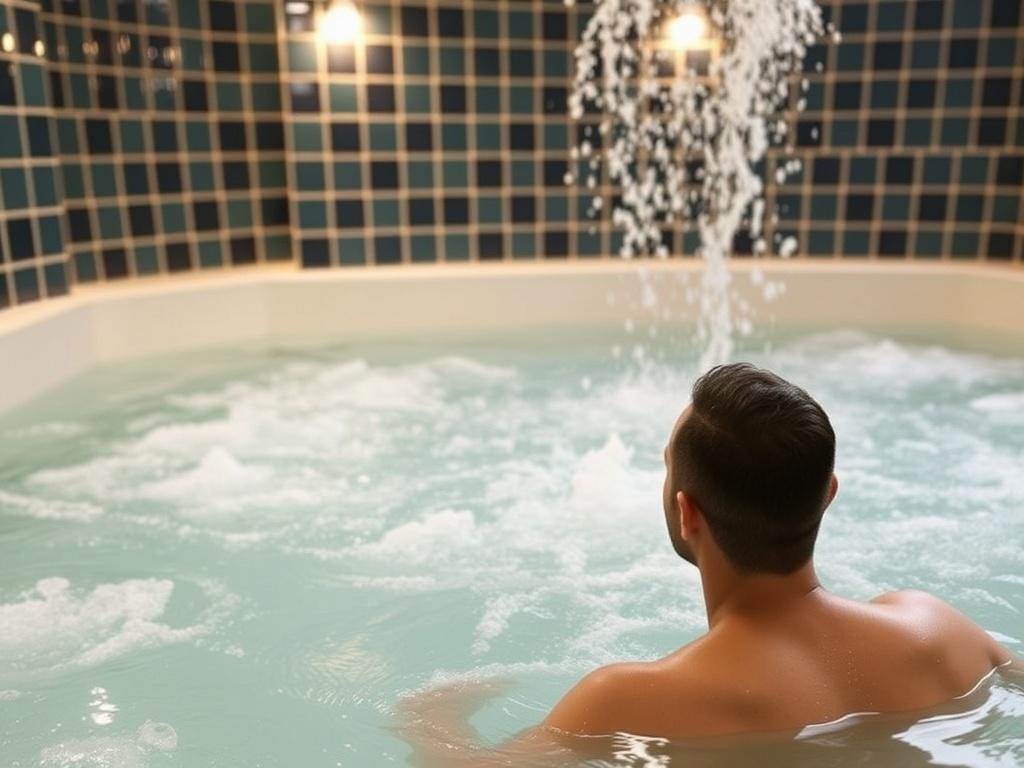
When people say “bathhouse,” they mean a range of thermal experiences: Finnish dry saunas, steam rooms, hot baths, cold plunges, and sometimes contrast bathing (moving between hot and cold). Each produces a different stress on the body—heat triggers vasodilation and sweating; cold induces vasoconstriction and an adrenaline spike. Those physiological responses are why bathhouse sessions can feel invigorating and why they can also influence long-term health.
At a basic level, regular exposure to controlled heat (sauna) and cold (plunge) trains the circulatory system to handle rapid changes, stimulates the autonomic nervous system, and can reduce perceived stress. These processes matter to men because heart disease, stress-related conditions, and musculoskeletal complaints dominate the population-level health burden. Add in the social aspect—men often use bathhouses as a place to talk, decompress, and connect—and you get an intervention that touches body and mind.
Physiology in Plain Terms: What Happens When You Sweat or Shiver
Heat exposure raises core and skin temperature. The heart rate increases, blood vessels in the skin dilate to shuttle heat away, and you sweat to cool off. This increases cardiac output temporarily and reduces peripheral resistance—actions that can mimic moderate exercise for the cardiovascular system. Cold exposure does almost the opposite: blood vessels constrict to preserve core temperature, heart rate may drop after an initial spike, and the body mobilizes hormones such as norepinephrine, boosting alertness and possibly mood.
Repeated, controlled exposures prompt adaptations: improved endothelial function (blood vessel health), better heat tolerance, and changes in autonomic balance (more parasympathetic tone after the session, which feels calming). For muscle recovery, heat can increase blood flow and loosen tissue, while cold can reduce inflammation and numb pain. The combination—sauna before or after training and a cold plunge after intense sessions—has become popular among athletes for perceived recovery gains.
Types of Bathhouse Experiences and Typical Parameters

Not all warmth is the same. Below is a practical comparison of common thermal modalities you’ll find at a bathhouse, with typical temperature and humidity ranges and common uses.
| Modality | Typical Temperature | Humidity | Primary Uses |
|---|---|---|---|
| Finnish (dry) sauna | 70–100°C (158–212°F) | Low (5–20%) | Cardiovascular conditioning, relaxation, post-exercise recovery |
| Steam room (Turkish bath) | 40–46°C (104–115°F) | High (near 100%) | Respiratory comfort, skin hydration, low-temperature heat exposure |
| Hot tub / Onsen / Hot bath | 36–40°C (97–104°F) | High (immersed) | Muscle relaxation, joint comfort, local heat therapy |
| Cold plunge | 0–15°C (32–59°F) | High (immersed) | Inflammation control, recovery, alertness, stress resilience |
| Contrast bathing | Alternating hot and cold | Varies | Circulatory stimulation, muscle recovery |
How Long and How Often?
There is no one-size-fits-all. Traditional Finnish practice often cycles 8–15 minutes in a hot sauna followed by a cool shower or plunge, repeated 2–3 times. Steam sessions are usually shorter because humidity makes heat feel more intense. Cold plunges are typically brief—30 seconds to a few minutes—depending on temperature and tolerance.
For long-term health benefits documented in large observational studies, frequent sauna use—several times per week—shows stronger associations with cardiovascular benefits than rare use. Still, frequency must be balanced with recovery, hydration, and personal tolerance.
Health Benefits Supported by Evidence
There’s a growing body of clinical and epidemiological research on sauna bathing and related practices. While not all findings are definitive, several consistent patterns have emerged.
Cardiovascular Health
Regular sauna use has been associated with lower risk of fatal cardiovascular events and improved blood pressure control in observational studies. The physiological explanation is plausible: regular heat exposures improve vascular function, lower resting blood pressure, and enhance autonomic balance. For men, who are at higher risk of cardiovascular disease at earlier ages than women on average, sauna sessions can be a non-pharmacologic complement to lifestyle measures—provided there are no contraindications such as unstable angina or recent heart attack.
Mental Health and Stress
Heat exposure is relaxing for many people. The combination of warmth, slowed breathing, and a ritualized quiet time promotes parasympathetic activity, which lowers perceived stress. Cold exposure triggers a norepinephrine surge that can lift mood and sharpen focus. Alternating these exposures creates a rhythm that some men find energizing and mood-stabilizing. Social time in a bathhouse—casual conversation or simply shared silence—adds another psychological benefit that reduces isolation for many men.
Muscle Recovery and Performance
Post-exercise heat increases blood flow and can speed tissue repair in some contexts. Cold immersion reduces swelling and soreness after intense workouts. Athletes often combine both: using sauna to promote relaxation and heat-shock protein activity that supports recovery, then a cold plunge to blunt inflammation. Evidence varies by sport and timing, but many athletes report subjective and objective improvements in recovery when using these tools carefully.
Respiratory and Skin Benefits
Steam rooms can relieve nasal congestion temporarily and moisturize the skin. Saunas can also help clear airways for some men with mild respiratory symptoms, though these effects are supportive—not curative—and anyone with chronic lung disease should check with their doctor first.
Men’s-Specific Concerns
Several issues come up repeatedly when men ask about bathhouses: fertility and sperm health, erectile function, testosterone, and prostate health. These deserve focused attention.
Fertility and Sperm Health
Testicular temperature matters. Sperm production (spermatogenesis) is optimized at a few degrees cooler than core body temperature. Frequent, prolonged exposure to high heat—long hot baths, daily sauna sessions of long duration, or constant elevated scrotal temperatures—can reduce sperm count and motility. The bad news: effects may persist for weeks to months because spermatogenesis takes roughly 70–90 days from start to mature sperm.
The good news: the effect tends to be reversible. If you and your partner are trying to conceive, it’s prudent to limit high-heat exposure (saunas, hot tubs, very hot baths) until conception is achieved. For men not trying to conceive, occasional sauna use is unlikely to produce lasting fertility problems, but repetitive, prolonged heat exposure could reduce sperm quality temporarily.
Erectile Function and Circulation
Erectile function depends on vascular health. Because saunas and contrast bathing improve peripheral blood flow and endothelial function in some studies, they may indirectly support erectile function. Anecdotally, men report improved sexual wellness after regular sauna bathing, but rigorous trials are limited. Any effect is likely mediated by improved circulation, reduced stress, and better sleep—factors that all influence sexual health.
Testosterone
Short heat exposures don’t reliably change long-term testosterone levels. You might see small, temporary fluctuations around a single sauna session, but long-term testosterone isn’t significantly raised by passive heat. Strength training, adequate sleep, weight management, and medical evaluation for endocrine disorders remain the primary routes to meaningful testosterone changes.
Prostate and Urinary Symptoms
Warm baths and steam can help relax pelvic muscles and reduce the discomfort some men experience with urinary urgency or tension. However, they won’t treat underlying prostate disease. Men with urinary retention or active prostatitis should consult a clinician before heavy heat exposure, because symptoms could worsen in some cases.
Risks and Who Should Be Cautious
Bathhouses are safe for many people, but there are important caveats. Heat and cold are powerful stimuli; they can tip vulnerable people off balance fast.
- Cardiac conditions: Men with unstable coronary disease, recent heart attack, uncontrolled arrhythmia, or severe aortic stenosis should avoid intense heat or cold without medical clearance. Rapid changes in heart rate and blood pressure can provoke events in unstable cardiovascular disease.
- Uncontrolled high blood pressure: Extremely high blood pressure is a warning sign; talk to your clinician about safe exposure limits.
- Alcohol and drugs: Do not use saunas or plunge pools while intoxicated or after using drugs that impair judgment or blood pressure response—risk of fainting and drowning increases.
- Dehydration and electrolyte loss: Sweat big, and you must replace fluids. Signs of dehydration include dizziness, lightheadedness, and weakness.
- Fever, infection, or open wounds: Avoid communal baths if you have an infectious illness or open skin wounds for hygiene and safety.
- Cold exposure risks: Men with Raynaud’s, poorly controlled heart disease, or very low body fat should be careful with extreme cold plunges due to arrhythmia risk and thermal stress.
When in doubt, a brief medical check or a phone call to your clinician is sensible. Many clinicians are familiar with sauna therapy and can advise on safe practices tailored to your health profile.
Practical Guidelines: How to Use the Bathhouse Safely
There’s an art and science to getting the most from a bathhouse. These are sensible, widely recommended practices you can follow on your first visit or your hundredth.
- Hydrate before and after. Drink water before entering the sauna and rehydrate after. Avoid heavy alcohol and large meals immediately prior.
- Start slow. If you’re new, begin with shorter sessions at lower temperatures. Build tolerance gradually over weeks.
- Follow the cycle. A classic sequence is heat → cool → rest. If using contrast bathing, repeat once or twice, not ten times.
- Listen to your body. Dizziness, nausea, palpitations, or excessive shortness of breath are signals to exit immediately.
- Mind hygiene and etiquette. Sit on a towel, shower before and after, and follow facility rules about nudity, towels, and cell phone use.
- Avoid solitary cold plunges if you’re inexperienced. Cold water can cause an initial gasp reflex and brief arrhythmia risk—doing this with a buddy or staff nearby is safer.
- Time sessions appropriately around exercise. Using a sauna after light exercise can enhance recovery; immediately before intense activity can reduce performance temporarily due to fluid loss.
Sample Routines for Different Goals
Below are three straightforward protocols tailored to common aims. Adjust times and temperatures based on tolerance and health status.
- Stress relief and sleep: 10–15 minutes in a moderate dry sauna (75–85°C), gentle cool shower, 10 minutes rest, repeat once. Finish with a full shower and hydration. Avoid heavy cold plunge right before bed if it spikes your adrenaline.
- Post-workout recovery: 8–12 minutes in a sauna after a warm-down, followed by a 2–3 minute cold shower or plunge, then 15–20 minutes rest and rehydration. Repeat once if tolerated.
- Cardiovascular conditioning (for healthy users): 10–20 minute sauna sessions several times per week; the evidence linking routine frequent sauna use to cardiovascular benefits often involves multiple visits per week. Build gradually and consult a doctor if you have risk factors.
Etiquette and Practical Tips for the Bathhouse
Bathhouse culture varies by country and facility. Some places are more social, others more reserved. Regardless of setting, these basics will keep your visit comfortable for you and others.
- Shower before entering communal pools or steam rooms.
- Sit or lie on a towel—this is hygienic and helps prevent slipping.
- Keep conversations low-volume and respectful; many come for quiet relaxation.
- Don’t use fragrances that can irritate others in humid spaces.
- Follow clothing rules—some bathhouses are textile-free in certain areas; others require swimwear.
- Check the facility’s rules about cell phones. In steam rooms and saunas, people generally prefer privacy.
Common Myths and Clarifications
Bathhouses attract folklore. Let’s address the most common misunderstandings with straight talk.
Myth: Saunas “detox” your body of specific toxins
Truth: Sweating helps remove tiny amounts of certain substances, but the liver and kidneys are the primary detox organs. Saunas support circulation and the feeling of cleansing, but they are not a replacement for medical detox or organ health.
Myth: You’ll lose significant weight through sweating
Truth: Immediate weight loss is mostly water. Rehydrate and the weight returns. Sauna sessions can support an overall weight-loss lifestyle when combined with diet and exercise, but they are not a standalone weight-loss tool.
Myth: Saunas permanently raise testosterone
Truth: Any change tends to be temporary. Lifestyle factors and medical treatment are the main drivers of long-term hormonal shifts.
When to See a Doctor
Before starting regular, intense sauna or cold-plunge routines, check in with a clinician if you have:
- Known cardiovascular disease (coronary artery disease, arrhythmia, heart failure)
- Uncontrolled hypertension
- History of fainting, seizures, or unexplained dizziness
- Fever, infection, or open wounds that may be worsened by communal spaces
- Fertility concerns—if you’re actively trying to conceive, discuss heat exposure with a fertility specialist or urologist
Your clinician can offer tailored guidance—sauna therapy is a useful adjunct for many patients, but safety comes first.
Special Considerations for Men Trying to Conceive
If fertility is a goal, be explicit about limiting scrotal heat. Practical steps include avoiding daily long sauna sessions and hot baths, switching to looser underwear, and minimizing laptop-on-lap habits. If you don’t want to conceive immediately, occasional sauna visits are reasonable, but frequent, repeated heat exposures can depress sperm parameters for months.
How Long Until Sperm Parameters Recover?
Because spermatogenesis is a multi-week process, sperm count and motility can take 2–3 months to recover after prolonged heat exposure. This timeline provides a useful planning window: if conception is planned in the near future, reduce heat exposures now.
Designing a Personal Bathhouse Plan
Every man’s physiology and schedule are different. Here’s a simple framework to help you design a safe, effective bathhouse routine.
- Define the goal: recovery, stress relief, cardiovascular wellness, or social relaxation.
- Assess health status: any cardiovascular history, medications, or fertility plans?
- Choose modalities that match the goal: steam for respiratory comfort, sauna for cardiovascular and relaxation benefits, cold plunge for inflammation control.
- Set frequency: start 1–2 sessions per week and increase gradually, aiming for several shorter sessions rather than one marathon session.
- Monitor effects: note sleep quality, mood, sexual function, and any adverse symptoms. Adjust accordingly.
Checklist to Bring
- Towel (for sitting and drying)
- Water bottle
- Clean flip-flops or sandals
- Light, absorbent clothing if required
- Personal toiletries and a shower kit
Costs, Accessibility, and Cultural Notes

Bathhouses range from inexpensive community facilities to luxury spa resorts. In some cultures, communal bathing is a daily ritual with deep social meaning; in others, it’s a weekend indulgence. Accessibility is improving—many modern facilities offer mixed-gender and men-only hours, medical saunas, and staff trained to monitor wellness. If cost is a barrier, even home saunas, hot baths, and cold showers can mimic aspects of the bathhouse experience.
At-Home Alternatives
If you don’t have access to a commercial facility, you can recreate many benefits at home: a hot shower followed by a cool rinse, a hot tub or bath, a cold shower or ice bucket for brief exposure, and mindfulness or breathing exercises to enhance the relaxation component. For serious therapeutic use, a well-built home sauna or professionally installed cold tub is worth considering, but consult an electrician and builder for safety and ventilation.
Conclusion
Bathhouses offer men a flexible mix of physiologic and social benefits—improved circulation, stress reduction, enhanced recovery, and a place for connection—when used thoughtfully. Heat and cold exposures are powerful tools but demand respect: hydrate, know your medical limits, and adjust intensity and frequency to your goals and tolerance. If fertility is a concern, limit repeated high-heat exposures until conception is achieved. For most healthy men, regular, moderated bathhouse sessions can be a valuable part of a balanced wellness routine, providing both measurable physiological effects and the quieter, harder-to-measure benefit of feeling restored.

