
How to Choose Stones for the Stove: The Best Types of Rock
Picking stones for a stove—whether you’re lining a wood-burning insert, filling a sauna heater, or building a backyard pizza oven—feels like a small detail until it isn’t. Stones do more than look good: they store heat, buffer temperature swings, influence how fire behaves, and determine how long your stove lasts without problems. The right stone is a balance of physics, geology, and practical common sense. This article walks you through the science to basics, the common rock choices and why they matter, installation and safety tips, and a practical checklist to make a confident decision.
Why the stone you choose matters
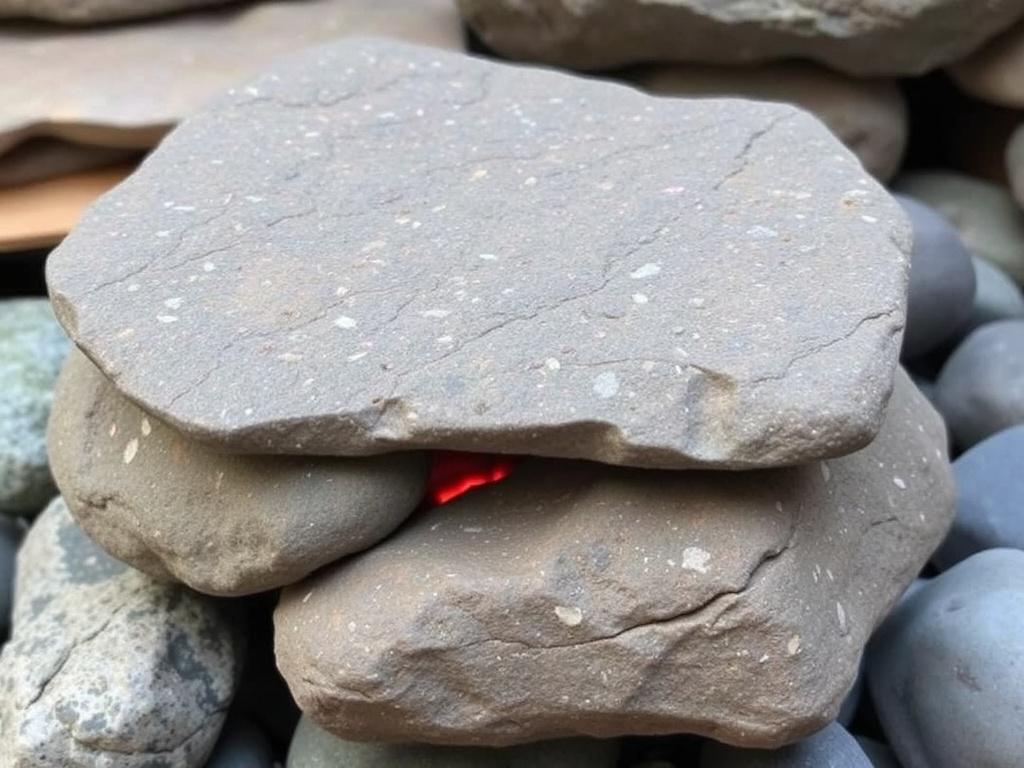
Stove stones are much more than decoration. They act as thermal mass, absorbing heat from flames or hot gases, then releasing it slowly. That steady release can make a room feel warmer and more comfortable for longer after the fire dies down. Stones also protect stove internals from direct flame and thermal stress, and they affect combustion patterns, radiant heat, and even smoke behavior. Choose poorly and you risk cracked pieces, spalling (pieces flaking off), explosive fragmentation from trapped moisture, or a stone that simply won’t hold heat well.
Beyond performance, aesthetics and maintenance come into play. Some stones age gracefully and are easy to clean; others stain, crumble, or change color after repeated heating. Cost and availability matter too—commercial refractory products are widely sold and predictable, while natural rock may be cheaper but more variable in performance. Understanding what each property does will help you make a useful, safe choice for your particular stove.
Key properties to evaluate when choosing stove stones
Heat capacity and thermal mass
Heat capacity—how much heat a material can store per unit mass—dictates how much energy a stone can hold. Stones with high specific heat absorb more energy for a given temperature rise, which means they store and later radiate more heat into a room. This is why soapstone and some dense volcanic rocks are prized for masonry heaters and soapstone stoves.
Thermal conductivity
Thermal conductivity is how quickly heat moves through a material. Low conductivity slows heat transfer from the fire to the stone’s surface, which can be desirable if you want slow, gentle radiation. Higher conductivity moves heat quickly, producing stronger immediate radiant warmth but letting stored heat dissipate faster. The right balance depends on whether you want quick warmth or slow, lingering heat.
Thermal shock resistance
Thermal shock resistance is crucial. When a stone sees rapid temperature changes—cold to hot, or unheated to flaring flame—it undergoes stress. Some rocks tolerate that stress; others fracture and spall. Refractory ceramics and cordierite are engineered for thermal shock resistance; natural stones vary widely. If your stove experiences sudden, intense heating, choose a material that tolerates those swings.
Porosity and moisture
Porosity matters because water trapped in pores can instantly vaporize when heated, creating internal pressure and causing chunks to explode. That phenomenon explains many homeowners’ horror stories of river stones shattering in fireplaces. Always avoid stones that have been stored wet or collected from damp riverbeds unless fully and properly dried and tested.
Density and durability
Denser stones generally store more heat per unit volume and resist physical wear. Low-density volcanic stones might look attractive and are lightweight, but they can crumble or lose mass with repeated heating. Durability matters both for aesthetics and for safety—loose fragments inside a stove make cleaning harder and can obstruct airways.
Chemical stability and safety
Chemicals in some rocks can react poorly under high heat—releasing smells, discoloration, or even toxic fumes if unusual minerals are present. While most common stove stones are benign, be cautious when using unfamiliar stones taken from unknown geology. Purchased, tested materials reduce risk.
Popular rock and refractory choices, with pros and cons
Below are the stove-facing materials people most commonly encounter. The list mixes natural stones and manufactured refractory materials because both are widely used and have different advantages.
Soapstone (steatite)
Soapstone is a dense metamorphic rock rich in talc and magnesium silicate. Its most celebrated quality is high heat capacity combined with good thermal stability: it soaks up heat slowly and radiates it for a long time. That makes it a classic choice for masonry heaters, wood stoves, and stove cladding. It’s also attractive, with a soft, satiny finish that darkens with heat and use.
Pros: Excellent heat retention, attractive, resistant to cracking with gradual heating, easy to machine and cut.
Cons: Can be soft and scratchable, more expensive than some alternatives, not ideal if you need rapid heat-up times.
Basalt and other dense volcanic rocks
Basalt is a common volcanic rock that can be very dense and thermally robust. When properly selected and dry, basalt stores and conducts heat well. It’s used in some masonry and industrial applications. However, quality varies: vesicular (porous) basalt will behave differently than dense, massive basalt.
Pros: Good heat capacity, can be inexpensive and locally available in volcanic regions.
Cons: Variable quality; some basalt contains voids or moisture and can spall or crack under thermal shock.
Lava rock (scoria) and pumice
Lava rock used in barbeques and some heaters is lightweight and porous. It heats quickly and provides lots of surface area for flame contact. That makes it helpful in gas appliances to distribute heat. In wood stoves, though, the porous grains can break down over time and produce dust. They’re also poor at long-term heat storage compared with denser stones.
Pros: Lightweight, inexpensive, good for gas burners and grills, high surface area for combustion interaction.
Cons: Breaks down with thermal cycling, lower thermal mass, potential dusting and abrasion.
Granite
Granite is a dense, attractive igneous rock often chosen for countertops and some stove cladding. It has good compressive strength and can store moderate heat. The big caveat with granite is thermal shock and trapped water. If a block contains small cracks or moisture, rapid heating may cause fissures or spalling. Many builders therefore avoid using granite where sudden, direct flame contact occurs.
Pros: Durable and attractive, widely available.
Cons: Variable thermal shock resistance, risk of cracking if heated quickly or if internal moisture exists.
Slate
Slate is a foliated metamorphic rock that splits into thin sheets. It can be used for stove surrounds and hearths where temperatures are moderate and thermal shock is controlled. However, slate can delaminate or fracture under rapid or uneven heating because of its layered structure.
Pros: Attractive, available in thin tiles, good for decorative cladding.
Cons: Can delaminate, not ideal for direct flame exposure or rapid heating.
River rock and fieldstone
River-rounded stones and fieldstones are tempting because they look natural and are inexpensive if gathered locally. The danger is their origin: river stones often hosted water and can contain pockets of moisture or trapped air. When heated, those pockets expand violently, sometimes shattering the stone. For that reason, seasoned, properly dried, and tested river stones are safer, but most professionals advise against using untested river rock inside stoves.
Pros: Natural look, inexpensive if sourced locally.
Cons: High risk of spalling or explosive fragmentation if moisture is present; unpredictable mineral composition.
Cordierite and other ceramic stones
Cordierite is a mineral often used in oven stones and some stove ceramics because it resists thermal shock and can be engineered to specific tolerances. Cordierite pizza stones are a familiar household example of a manufactured ceramic that handles rapid temperature changes well. In stove construction, ceramic firebrick and cordierite-based components are reliable where direct flame contact occurs.
Pros: Engineered for thermal shock resistance, predictable performance, common in refractory components.
Cons: Can be more expensive than raw rock; heavy depending on form.
Firebrick and castable refractory
Firebrick is a manufactured refractory brick designed specifically to withstand high temperatures and thermal cycling. Castable refractory is a pourable mixture that hardens into a heat-resistant mass and is often used to line wood stoves, pizza ovens, and fireplaces. These materials are the go-to where predictable, certified performance is required.
Pros: Designed for stoves, high thermal tolerance, predictable and safe, long-lasting.
Cons: Less “natural” in appearance, can be heavy and require mortar or installation skill, cost varies.
Quick comparison table: common choices at a glance
| Material | Heat Storage | Thermal Shock Resistance | Durability | Best Uses |
|---|---|---|---|---|
| Soapstone | High | Good (with gradual heating) | Good | Masonry heaters, stove cladding, heat retention |
| Basalt (dense) | Moderate–High | Variable | Good | Stove stones where dense, vesicle-free material is available |
| Lava rock / Scoria | Low–Moderate | Poor–Moderate | Poor (crumbles over time) | Gas grills, decorative elements |
| Granite | Moderate | Variable (risk if heated quickly) | High | Cladding, non-direct-flame surfaces with controlled heating |
| Slate | Low–Moderate | Poor (delamination risk) | Moderate | Decorative hearths and surrounds |
| River rock | Variable | Poor (high explosion risk if moist) | Variable | Generally avoided unless tested and fully dried |
| Cordierite / Firebrick | Moderate | Excellent | Excellent | Fireboxes, pizza ovens, direct-flame applications |
Choosing stones by stove type
Wood-burning stoves and masonry heaters
For long, even heat, look for stone with high heat capacity and good thermal stability—soapstone is a top choice. Many masonry heaters are built from soapstone or dense firebrick and castable refractory. If you favor natural stone, ensure the pieces are massive (not overly thin), free of visible fissures, and kiln-dry before installation. Manufactured firebrick and castable refractory offer reliable performance and are often used where safety codes apply.
Fireplaces and decorative surrounds
When stones won’t face the fiercest heat directly—such as a fireplace surround—more aesthetic choices are possible. Granite and slate are common here. Even so, avoid placing thin slabs where rapid temperature spikes could damage them. A panel of granite behind the mantel may be safe if it’s not directly in the fire path, but avoid using untreated fieldstone right on the grate unless you’ve vetted it.
Sauna stoves
Sauna rocks have their own demands: they need to withstand repeated rapid water dousing and high temperatures without crumbling or chemically reacting. Dense olivine-dolerite or peridotite are often used for sauna heaters because they tolerate repeated steam cycles. Certain volcanic rocks used for saunas are specifically graded and sold for that purpose—use those rather than untested field stones.
Pizza ovens and ovens
Oven floors and stones need excellent thermal shock resistance and even heating. Cordierite or refractory ceramic baking stones are common, and many artisans also use firebrick or castable refractory floors. For pizza ovens, a combination of firebrick and a thin steel baking surface can work well for different baking styles.
Gas grills and gas-fired appliances
Porous lava rock and ceramic briquettes are standard in gas appliances because they distribute the gas’s heat evenly over a large surface area and protect burners from falling debris. These materials are engineered for those lower and more consistent temperatures rather than the dramatic swings of wood-burning fires.
How to prepare and install stove stones safely
Preparation and installation are as important as the stones themselves. Take the following practical steps to minimize risk and optimize performance.
- Choose tested or reputable material. Purchase from stove, sauna, or masonry suppliers when possible—materials sold specifically for heating use are selected and graded for performance.
- Dry the stones thoroughly. Never install stones that have been stored outdoors in damp conditions. If you must use natural rock, dry it slowly in a warm, ventilated place until moisture content is negligible.
- Inspect for cracks and inclusions. Look for hairline fractures, pockets, or layered planes. If present, discard or set aside for decorative use where they won’t face rapid heating.
- Size and arrange for even heating. Larger, massive pieces store more heat but take longer to warm; thinner pieces heat faster but cool quickly. Avoid tightly packing stones in a way that traps air and prevents uniform heat flow.
- Use appropriate mortar and supports. Firebrick and castable refractory need high-temperature mortar. Natural stones set against stove walls may require steel supports or non-combustible anchors. Follow manufacturer instructions and local codes.
- Gradual seasoning. After installation, heat slowly on the first few firings to allow the stone to acclimate. Rapid full burns can induce thermal shock even in good materials.
- Allow for maintenance access. Stones that need replacement or cleaning should be installed so they are removable without dismantling the entire stove.
Safety and maintenance
Safety centers on avoiding moisture, monitoring for damage, and knowing when to replace stones. Symptoms that a stone is failing include visible cracking, flaking, unusual noises during heating (pops that differ from normal wood settling), and significant dust accumulation inside the stove. If any stone looks compromised, replace it. Never hammer out suspicious pieces with the stove cold—inspect and carefully remove per manufacturer instructions.
For cleaning, avoid aggressive acids or household cleaners that can etch stone surfaces. A wire brush, dry cloth, or vacuum with a brush attachment usually suffices for loose ash and debris between stones. For soapstone and granite surfaces on outer cladding, a damp cloth and mild soap are typically enough. Keep your stove’s airflow passages clear of rock dust and fragments, as blockages can impair combustion.
Where to buy stones and what to ask sellers
Buy from reputable stove supply houses, masonry suppliers, or specialized sauna stone vendors. If you source natural rock locally, talk to a stonemason who understands thermal applications. Ask vendors about:
- Whether the stone is sold specifically for stove/sauna use.
- Sources and geological type—dense, non-vesicular material is usually safer.
- Recommended drying and seasoning procedures.
- Any known issues with that stone in high-temperature cyclic use.
Documentation or a technical datasheet is a good sign. For manufactured materials, look for product specifications regarding maximum service temperature and thermal cycling performance.
Environmental and cost considerations
Natural stone quarrying has environmental impacts: habitat disruption, dust, and transport emissions. If environmental footprint matters to you, look for locally sourced materials to reduce transport emissions, reclaimed stone, or engineered refractory products manufactured under controlled conditions. Reclaimed firebrick from renovation projects can sometimes be reused safely if it’s intact—this is both economical and environmentally friendlier.
On cost: manufactured refractory and cordierite products typically cost more upfront but provide predictable, long-lasting performance. Natural soapstone can be pricey depending on supply and cutting costs but will often outlast cheaper, porous stones. Factor lifetime performance and replacement schedules into any cost comparison—cheap broken stone leads to higher long-term expenses.
Common myths and mistakes
Myth: “All natural stones are safe to use in a stove.” Not true. Many natural stones contain moisture or internal weaknesses and can fail dramatically. Only use stones that are specified for heat use or have been inspected, dried, and tested.
Myth: “Granite is always safe.” Granite is durable, but it can crack under rapid thermal swings or if moisture is trapped. Placement and heating patterns matter.
Mistake: Relying on scavenged river rocks. River stones often contain trapped water and should be used only after thorough drying and testing—preferably avoided inside fireboxes.
Mistake: Over-packing the firebox with stones. This can smother air supply and reduce combustion efficiency; stones should be arranged to preserve clear airflow for good fire performance.
Practical checklist before installing stones
- Material selected for the specific stove type (soapstone for heat retention, cordierite or firebrick for direct flame).
- Stones purchased from reputable supplier or inspected by a professional.
- All stones thoroughly dried and free of visible fissures.
- Proper mortar, anchors, and installation plan ready.
- Plan for gradual seasoning and routine inspection intervals.
Final selection scenarios — quick guides
If you want long, even heat retention
Choose soapstone or a dense, massive stone used in masonry heaters. Expect a slower warm-up but a longer, steady radiation of heat after the fire dies down.
If you need fast radiant warmth
Dense basalt or certain manufactured refractory surfaces offer quicker conduction of heat to the surface. A thinner layer of stone or engineered ceramic will heat faster than massive soapstone.
If you’re building a sauna heater
Purchase stones graded for sauna use—typically dense volcanic rocks such as olivine-dolerite or specifically designated sauna stones. They tolerate repeated water dousing and high-temperature cycling without crumbling.
If you want low-maintenance, predictable performance
Use firebrick or castable refractory in the firebox and consider soapstone cladding for heat retention. Manufactured materials give you repeatable, code-compliant results.
Conclusion
Choosing stones for a stove blends geology and practical experience: prioritize thermal mass, thermal shock resistance, low porosity, and chemical stability, and match the stone to your stove’s use—soapstone and dense firebrick for long, even heat; cordierite and firebrick for direct flame and pizza ovens; sauna-graded volcanic rock for steam cycles; avoid wet, porous river stones and untested fieldstone in fireboxes. Buy from reputable suppliers when safety and predictable performance matter, dry and season stones slowly, and inspect them periodically for cracks or spalling. With thoughtful selection and careful installation, the stones in and around your stove will add warmth, longevity, and quiet efficiency to your hearth for years to come.

