
Bathhouse After a Workout: Muscle Recovery and Relieving Tension
There’s a particular hush that falls over a bathhouse after a busy gym session—the soft hiss of steam, the creak of wooden benches, the steady drip of water. It’s not just atmosphere; it’s an opportunity. After a workout, a bathhouse experience—whether a dry sauna, steam room, hot tub, or a cold plunge—can be an effective tool to accelerate recovery, ease muscular tension, and reset your nervous system. This article walks you through why heat and cold work, how to use them safely and smartly, and practical routines you can adopt to get the most from your post-exercise soak.
Why a Bathhouse Works: The Physiology in Plain Language
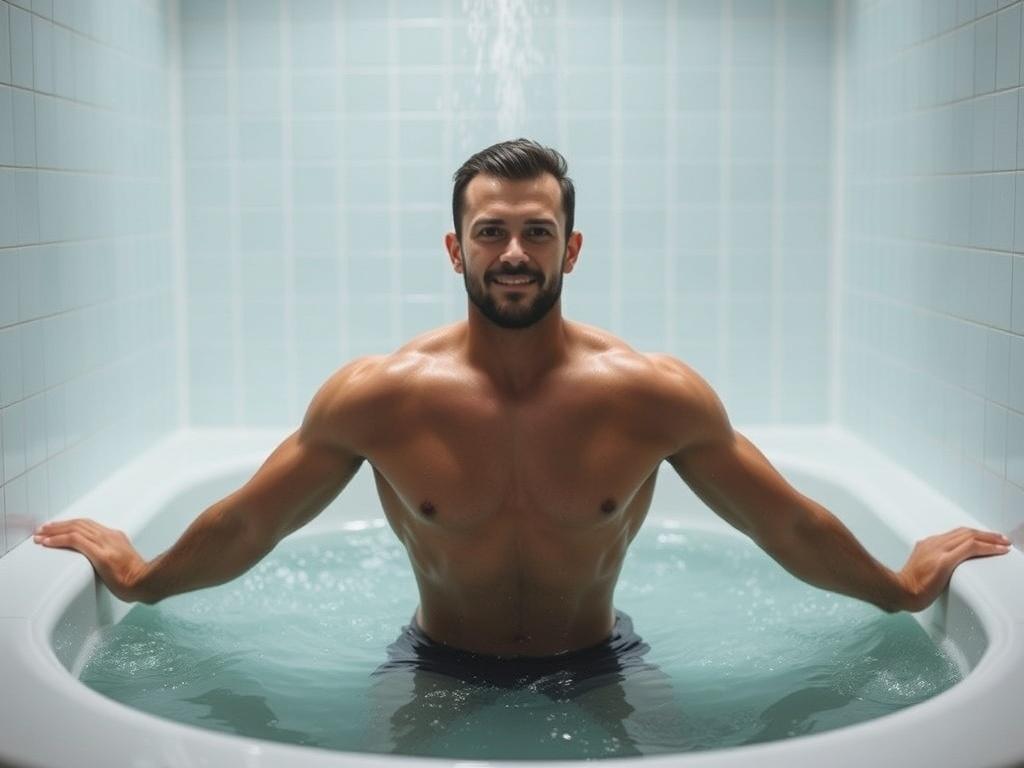
Muscles hurt after hard workouts because of microscopic damage, metabolic buildup, and inflammation. The body responds by sending repair cells and increasing blood flow to the area. A properly timed bathhouse session acts as a nudge to these processes: heat dilates blood vessels and enhances circulation, which delivers oxygen and nutrients more efficiently. Heat also relaxes connective tissue and lowers the firing rate of tense muscles, helping movement feel smoother and less guarded.
Cold has a different effect. Cold constricts blood vessels and slows metabolic activity, which can reduce acute swelling and numb pain. That’s why athletes often use ice after an acute injury to limit inflammation. Alternating hot and cold—contrast therapy—creates a pumping action in the vasculature, which may help clear metabolic by-products and reduce delayed onset muscle soreness (DOMS).
Heat, Circulation, and Relaxation
When you step into a sauna or hot tub, your body responds almost immediately. Core temperature rises, heart rate increases, and blood vessels near the skin open to dissipate heat—this increases blood flow. That enhanced circulation can help shuttle immune cells and nutrients to muscles that just worked hard. The result: reduced stiffness, faster removal of waste metabolites like lactate, and a subjective sense of relaxation.
Cold, Constriction, and Pain Modulation
Cold exposure causes vasoconstriction, which limits swelling and numbs nerve endings temporarily—this is why cold is useful for acute pain and inflammation. For post-exercise recovery, cold plunges and ice baths can blunt sensations of soreness and reduce localized inflammation. Keep in mind that applying cold extensively after strength workouts may inhibit cellular processes that contribute to muscle growth.
Contrast Therapy: The Best of Both Worlds?
Contrast therapy—moving between hot and cold—creates cyclical expansion and contraction of blood vessels. This mechanical flushing can accelerate recovery of muscle function and reduce perceived soreness. Contrast routines are popular because they combine the relaxation benefits of heat with the anti-inflammatory effects of cold in a single session.
Which Bathhouse Modality Should You Choose?
Different facilities and traditions offer varied environments. Here’s a straightforward guide to what each modality is good for and when to use it.
| Modality | Primary Effects | Best Uses | Typical Temperatures/Times |
|---|---|---|---|
| Dry Sauna | Intense, dry heat; increases HR and circulation, promotes sweating | Relaxation, flexibility, cardiovascular warm-up, stress relief | 70–100°C (158–212°F); 8–20 minutes per session |
| Steam Room | Humid heat; opens airways, hydrates skin, relaxes muscles | Breathing comfort, mild muscle relaxation, post-endurance cooldown | 40–45°C (104–113°F) with near-100% humidity; 10–15 minutes |
| Hot Tub / Jacuzzi | Warm water immersion; hydrostatic pressure, buoyancy, massage jets | Lower-body relief, joint unloading, gentle massage for tight muscles | 37–40°C (98–104°F); 10–30 minutes |
| Cold Plunge | Rapid cooling; vasoconstriction, pain reduction | Acute inflammation control, post-cardio cooldown, alertness boost | 5–15°C (41–59°F); 30 seconds to 5 minutes depending on tolerance |
| Epsom Salt Bath | Warm immersion with magnesium sulfate; relaxation and warmth | Soothing after long runs, subjective tension relief | Warm water 36–40°C (97–104°F); 15–30 minutes |
Choosing by Goal
If you want to loosen tight muscle groups and improve flexibility, a sauna or steam room followed by gentle stretching works well. If you’re trying to reduce swelling after a grueling race, a cold plunge is appropriate. If you’re managing both soreness and stiffness, try contrast therapy. For people training for hypertrophy, avoid prolonged cold immediately after heavy resistance sessions; it may blunt the hypertrophic signaling your muscles need.
Timing: When to Use the Bathhouse Relative to Your Workout
Timing matters. Your objective—performance, recovery, or growth—should determine when you step into heat or cold.
Immediate Post-Workout
If your priority is reducing soreness and feeling better quickly, a short sauna or hot tub session can calm muscles and dissipate tension. Pairing a brief hot period with a cold rinse or plunge can be particularly refreshing. For strength training where muscle growth is the focus, avoid long cold immersion immediately afterward; consider waiting several hours or using cold only on non-training days.
Later Same Day or Evening
For many people, the most pleasant and effective recovery windows are later: two to eight hours after exercise. At this point, inflammation has begun, and a longer heat session, Epsom bath, or contrast routine can be more beneficial. Evening baths can also improve sleep quality for some individuals by aiding relaxation and lowering pre-bedtime stress.
Single-Session Pre-Event Use
Heat exposure can be used as a pre-event warm-up to loosen connective tissue and increase heart rate. Keep sessions brief and avoid overheating; combine with dynamic movements to translate warmth into performance gains. Avoid heavy or prolonged cold exposure right before competition unless you need an immediate analgesic effect.
Practical Bathhouse Routines for Different Needs
Below are several practical routines you can use, tailored for common goals. These are templates—adjust times to your tolerance and facility rules.
Routine A: General Recovery and Relaxation (Post-Workout)
- Hydrate: 200–300 mL of water or electrolyte drink.
- Warmth: 10–15 minutes in a dry sauna or steam room.
- Cool down: 2–3 minutes cool shower or cold plunge (if available).
- Re-immerse: 5–10 minutes back in heat for deeper relaxation.
- Finish: Gentle stretching for 8–10 minutes and rehydrate.
Routine B: Contrast Therapy for DOMS
- Warm: 3–5 minutes in hot tub or sauna.
- Cold: 30–90 seconds in cold plunge or cool shower.
- Repeat hot/cold cycle 3–5 times; end with warm for comfort.
- Rest: 10 minutes clothed, hydrate, and breathe slowly.
Routine C: Quick Post-Cardio Reset (20 Minutes)
- Cool-down jog/walk and light stretches (5 minutes).
- Steam room: 10 minutes to open airways and relax muscles.
- Short cool shower (1–2 minutes) to close pores and refresh.
Routine D: Joint-Friendly Recovery for Older Athletes
- Warm water immersion in hot tub, 20 minutes at a lower temperature (37–38°C).
- Hydrotherapy: use jets to target tight areas; gentle mobility work while in water.
- Finish with 5 minutes of low-intensity stretching on dry land.
Stretching, Mobility, and Breathwork in the Bathhouse
A bathhouse is an ideal place to add gentle mobility work. Heat makes tissues more pliable, so static and active stretching can be more productive after a sauna. Focus on controlled movements—hip swings, thoracic rotations, ankle circles—rather than aggressive lengthening. Pair movement with a slow, steady breath; diaphragmatic breathing helps shift the nervous system from sympathetic (fight-or-flight) to parasympathetic (rest-and-digest), amplifying relaxation and aiding recovery.
Sample Mobility Sequence (10 Minutes)
- Diaphragmatic inhale for 4 seconds, exhale for 6 seconds—1 minute.
- Neck mobility: slow nods and rotations—1 minute.
- Thoracic rotations: hands behind head, rotate upper body—1 minute each side.
- Hip openers: leg swings and seated figure-4 stretch—2 minutes.
- Calf and ankle mobilization: heel drops and ankle circles—2 minutes.
- Finish with two minutes of mindful breathing.
Safety: Who Should Be Cautious or Avoid Bathhouse Use
Bathhouse therapies are powerful but not risk-free. Certain conditions and behaviors amplify danger. Be conservative if any of these apply.
- Cardiovascular disease, uncontrolled hypertension, or recent heart events: Heat and extreme cold both stress the cardiovascular system.
- Pregnancy: Avoid extreme heat exposure that significantly raises core temperature, especially in the first trimester.
- Young children and older adults: temperature regulation differs; supervise and shorten sessions.
- Alcohol or drugs: these impair judgment, interfere with thermoregulation, and increase dehydration risk.
- Open wounds or contagious skin conditions: such infections can spread in shared wet environments.
- Medications that affect thermoregulation or blood pressure: check with a clinician.
General safety tips: never go alone if you have a medical condition, limit initial sessions to short durations, and always hydrate before and after. Listen to your body—dizziness, nausea, palpitations, or faintness are red flags that call for immediate exit and cooling down.
Simple Rules of Thumb
- Start with 8–10 minute heat sessions if you’re new; build slowly.
- Limit cold plunges to less than 5 minutes unless you’re acclimated.
- Allow 10–20 minutes between repeated sessions to stabilize heart rate.
- Drink water before, during (if allowed), and after your visit—avoid alcohol.
Hydration and Nutrition Considerations
Sweating drives fluid and electrolyte loss. Post-workout, you’ve already lost water through exercise. A bathhouse increases that loss, so rehydration becomes essential. Water is fine for most sessions; for long, hot exposures or very intense sweat, include electrolytes to replace sodium and potassium. A small carbohydrate-and-protein snack within 30–60 minutes of resistance exercise helps recovery; pair that with your bathhouse ritual rather than replacing it.
How Bathhouse Practices Interact with Training Goals
Not every recovery practice suits every training objective. Think of bathhouse use as another tool; how you use it should reflect your priorities.
Endurance Training
Endurance athletes often benefit from frequent heat exposure. Saunas and steam rooms support relaxation and may help with thermal adaptation. Cold can aid acute inflammation after long races or high-mileage weeks.
Strength and Hypertrophy
If your primary goal is muscle growth, avoid routine immediate post-lift ice baths. Cold can blunt the inflammatory signaling necessary for adaptation. Heat sessions that increase blood flow and mobility are helpful, but use cold strategically on off days or after particularly brutal sessions when soreness threatens further training.
Power and Speed
Power-based athletes should avoid exhaustive heat exposure immediately before performance since overheating can reduce explosive output. Brief heat exposure that increases tissue suppleness without excessive cardiovascular strain can be useful if timed correctly.
Etiquette and Practicalities of Using a Bathhouse
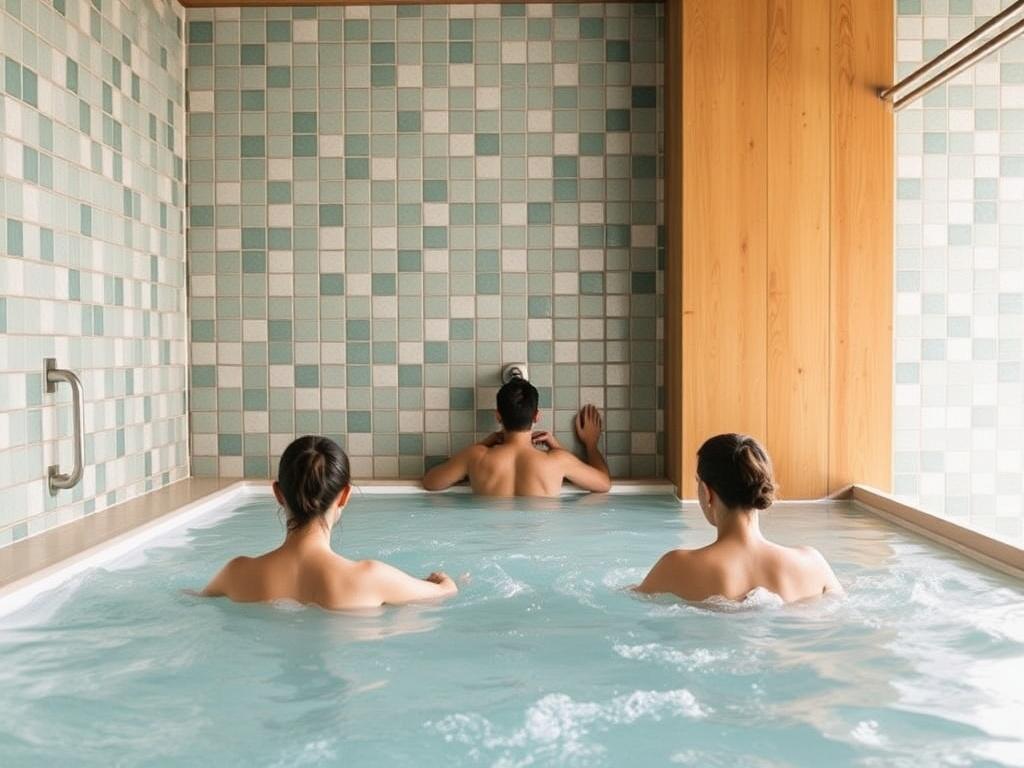
Bathhouses are communal spaces with simple rules to keep everyone comfortable and safe. Follow facility-specific guidelines, but common courtesies apply:
- Shower before entering pools, tubs, saunas, and steam rooms.
- Use a towel to sit on in saunas and steam rooms—this protects both you and the wood/bench.
- Keep noise low. People come to relax.
- Don’t bring glass—use plastic or paper containers for water.
- Observe posted time limits and capacity rules.
What to Pack for a Post-Workout Bathhouse Visit
- Two towels: one for sitting and one for drying.
- Sandals or flip-flops for wet floors.
- Hydration: water bottle or electrolyte drink.
- Light change of clothes and quick snack if staying long.
- Lock for a locker if the facility provides them.
Common Myths and What the Evidence Actually Says
Many bathhouse beliefs float around fitness circles. Let’s separate practical truths from persistent myths.
Myth: You Lose Lots of Fat by Sweating in a Sauna
Sweating reduces water weight, not body fat. Any weight lost during a sauna is regained with rehydration. Long-term fat loss requires sustained calorie deficit and exercise.
Myth: Epsom Salts Deliver Magnesium Directly to Muscles
People report feeling better after Epsom salt baths, but evidence for significant magnesium absorption through skin is limited. The warmth and relaxation likely account for most of the subjective benefit.
Myth: Ice Baths Are Always the Best Way to Recover
Cold immersion helps with acute pain and can reduce soreness, but it isn’t universally superior. For certain training adaptations—particularly hypertrophy—you might prefer heat or passive recovery. Context matters.
Designing a Weekly Recovery Plan with Bathhouse Sessions
Consistency matters more than intensity. Treat bathhouse use as part of your recovery hygiene—planned into your training week rather than a last-minute fix. Here’s an example structure for an active adult training 4–5 times per week.
| Day | Training | Bathhouse Plan |
|---|---|---|
| Monday | Heavy resistance training | Light sauna 10–12 min later in the day; gentle stretching afterward |
| Tuesday | Moderate cardio | Steam room 10–15 min immediately after; cool shower |
| Wednesday | Speed or power work | No long heat exposure before session; short warm-up sauna only if needed |
| Thursday | Endurance or long run | Cold plunge post-event for inflammation control; Epsom bath later that evening |
| Friday | Light strength or active recovery | Contrast therapy session—3 rounds hot/cold to ease soreness |
| Weekend | Optional long session or rest | Long soak in hot tub for mobility and relaxation |
Adjust this schedule around races, competitions, or particularly heavy training cycles. The goal is to use the bathhouse to complement, not disrupt, your training adaptations.
Special Topics: Sauna for Heat Acclimation and Mental Health
Regular heat exposure can help your body adapt to warmth, improving sweating efficiency and thermal tolerance—useful if you train or compete in hot conditions. Beyond the physical, many people report improved mood and decreased anxiety after regular warm baths or sauna sessions. The combination of heat, social quiet, and breathing practice produces a reset for body and mind.
Some athletes incorporate sauna sessions on non-training days specifically for heat acclimation. These sessions need not be long: frequent, moderate exposures can drive beneficial adaptations without overtaxing recovery.
When to Seek Professional Advice
If you have a chronic medical condition, are pregnant, or take medications that affect blood pressure or heart rate, consult a healthcare provider before starting regular bathhouse routines. A clinician familiar with exercise physiology can help tailor safe and effective protocols.
Putting It All Together: A Practical Post-Workout Checklist
- Cool down: 5–10 minutes after exercise to normalize heart rate.
- Hydrate: 200–400 mL before entering a hot environment.
- Choose the modality that matches your goal (heat for looseness, cold for inflammation control, contrast for both).
- Start short and increase slowly—listen for warning signs.
- Finish with light stretching and another drink to replace losses.
- Respect your limits and facility rules; never use substances that impair judgment.
Frequently Asked Practical Questions
Can I use the sauna right after lifting heavy weights?
Yes, if your aim is relaxation and mobility. Keep the sauna session moderate (8–12 minutes). If hypertrophy is your goal, consider postponing prolonged cold exposures rather than saunas; some evidence suggests immediate cold immersion can blunt muscle-building signals.
How cold is too cold for a plunge?
Very cold water (<5°C) is intense and unnecessary for most users. A practical and effective range for recovery is 8–15°C. Start with shorter durations and increase only as you become accustomed.
Can I combine massage and the bathhouse?
Yes—many people find a massage after a sauna or warm soak amplifies the relaxation and mobility benefits. Heat loosens tissue and can make massage more effective, but avoid aggressive deep tissue work immediately after intense heat if you feel lightheaded.
How often should I use the bathhouse?
Two to four short sessions per week are reasonable for most active adults. Frequency depends on training load, goals, and recovery needs. Some people prefer daily short saunas for wellness; others reserve visits for heavy training weeks.
Final Practical Notes and Troubleshooting
If you feel lightheaded: sit down immediately, cool your head and neck with water, and sip fluids. If symptoms persist, seek medical attention. If you can’t tolerate cold plunges, use a cool shower instead—still effective but less shocking. If your sleep improves after evening baths, that’s a good sign your nervous system is benefiting; if it disrupts sleep, try earlier sessions.
Conclusion
A bathhouse after a workout is more than a luxury: it’s a focused, versatile recovery tool that can accelerate repair, reduce soreness, and restore calm. Use heat to loosen, circulation to nourish, cold to blunt acute inflammation, and contrast to combine benefits. Tailor the timing and intensity to your training goals, hydrate sensibly, and follow safety guidelines. With thoughtful use, a few deliberate minutes in a sauna, steam room, hot tub, or cold plunge can turn post-exercise fatigue into a proactive recovery ritual that helps you train harder, move better, and feel more centered.

