
How to Choose a Bathhouse Stove: Types and Selection Criteria
Choosing the right stove for a bathhouse is more than a practical decision; it shapes the entire sauna experience. The stove determines how quickly the sauna heats up, how the steam behaves when you throw water on the stones, how much maintenance you’ll do, and even the flavor of the air you breathe. In this guide I’ll walk you through the stove types, explain the technical criteria that matter, and give concrete, usable advice so you can choose a stove that fits your space, habits, budget, and safety requirements.
Why the Stove Matters
A stove is the heart of a bathhouse. It controls temperature, humidity, and the rhythm of a steam session. Pick the wrong type and you’ll fight uneven heat, constant refueling, or a lackluster steam. Pick well and the stove becomes invisible: it simply performs, letting you and your guests focus on the ritual of heat and cool-down.
Different stoves produce different sensory experiences. A wood-burning stove brings crackle and a deep, aromatic warmth. An electric stove gives precise temperature control and near-silent operation. Gas stoves heat fast and maintain temperatures evenly. Each delivers a distinct kind of steam when water hits the stones, so your choice affects the entire mood of the bathhouse.
Beyond comfort, the stove determines installation complexity, ventilation needs, chimney design, and legal compliance. Fire safety and emissions matter; selecting a stove without considering these factors can lead to hazards or regulatory trouble. I’ll cover those practicalities in detail because a beautiful sauna that’s unsafe isn’t worth building.
Overview of Stove Types
Wood-burning Stoves
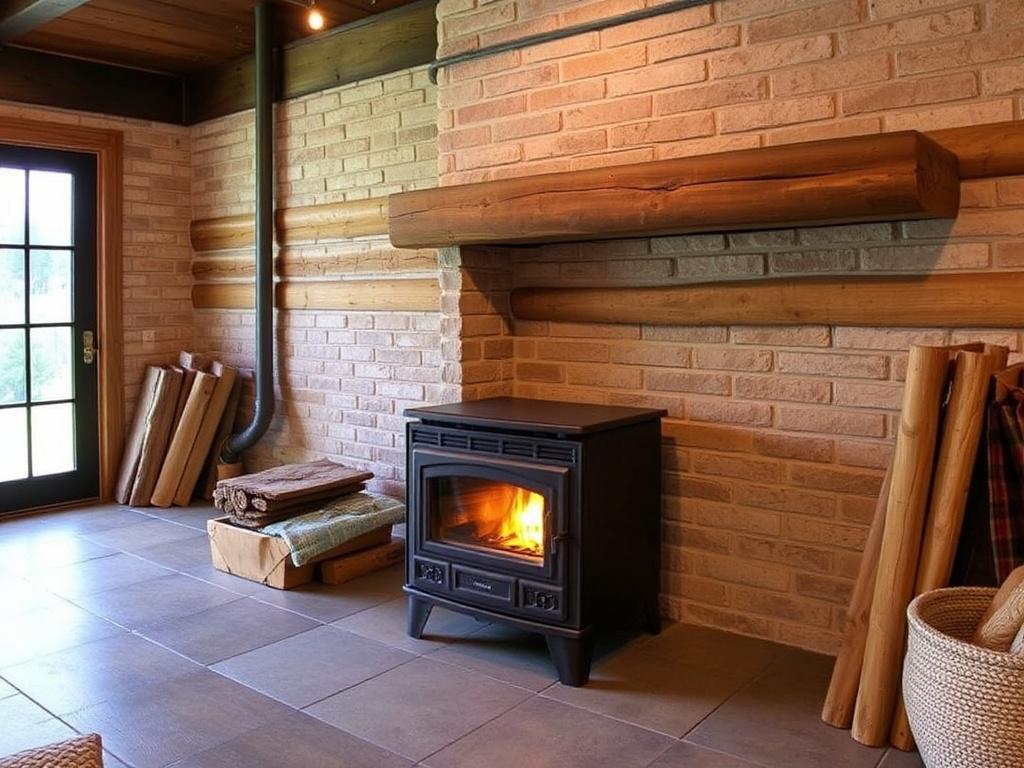
Wood-burning stoves are traditional and beloved for good reason. They create a deep, enveloping heat and a natural steam when water is poured over heated stones. The sensory details—the scent of wood smoke, the sound of embers, the visible flame—are part of the experience.
Wood stoves vary by size, fuel efficiency, and whether the firebox is inside or outside the sauna room. External firebox designs keep smoke out of the sauna and provide a different installation approach, while internal fireboxes place the fire inside the sauna chamber.
Pros:
- Rich, traditional aroma and strong steam.
- Typically lower fuel cost if wood is available.
- Operates without electricity.
Cons:
- Requires more attention: loading wood, ash removal, and tending the fire.
- Higher chimney and ventilation requirements.
- Longer time to reach and stabilize desired temperatures.
Electric Stoves
Electric stoves are popular for their convenience. They heat quickly, allow precise temperature control via thermostats, and can be used in urban settings where wood-burning isn’t practical. Most electric units are compact and require minimal installation beyond a proper electrical circuit and control device.
Electric stoves use heating elements beneath or around the stones. They produce less ambient noise and no combustion byproducts inside the sauna. The steam tends to be softer and more controlled than a wood-fired stove’s surge.
Pros:
- Precise temperature control and easier automation.
- Low maintenance—no ash or chimney cleanup.
- Fast heat-up and consistent operation.
Cons:
- Requires a dedicated electrical supply (often high ampere circuits).
- Less authentic sensory experience for traditionalists.
- Operating cost varies with electricity prices.
Gas Stoves
Gas stoves—running on natural gas or propane—bridge some advantages of wood and electric. They heat rapidly and can be controlled fairly easily, producing consistent temperatures. Gas units need proper venting and a gas supply line but often have simpler maintenance than wood stoves.
Sound and smell are minimal compared to wood. Gas stoves are suitable where electricity is limited or expensive but gas is available. Be mindful of combustion air requirements and venting to avoid unsafe conditions.
Pros:
- Fast heating and good temperature stability.
- Lower operating cost than electricity in some regions.
- Cleaner than wood-burning—less ash and soot.
Cons:
- Requires gas supply and professional installation.
- Combustion products and venting are a regulatory and safety concern.
- Less ambiance than wood-fire; smell is minimal but present.
Masonry and Stone Heaters
Masonry heaters and large stone constructions store vast amounts of heat and release it slowly. These are often custom installations—brick, stone, or masonry units that are heated by a wood fire or integrated heating system.
They are ideal for those who want long-lasting radiant heat and low wood consumption over time. However, they’re expensive, take space and time to install, and are typically permanent fixtures.
Pros:
- Excellent heat retention and even radiant warmth.
- Low long-term fuel use; the heat lasts for many hours.
- Beautiful, often architecturally integrated installations.
Cons:
- High upfront cost and long installation time.
- Permanent and heavy—requires structural considerations.
- Slow to heat up; not suitable for quick sessions.
Hybrid and Combination Stoves
Hybrid stoves offer flexibility: electric elements with a wood-burning firebox, or units that can accept multiple fuels. They’re useful if you want the option of wood-fired ambiance some days and electric convenience on others.
These stoves add complexity and cost, but if used correctly they can be the best of both worlds—authentic experience without sacrificing convenience.
Pros:
- Versatility in fuel and operation.
- Can match different usage patterns and seasons.
Cons:
- Cost and installation complexity are higher.
- Requires careful design to avoid overheating or inefficiencies.
Key Selection Criteria
1. Sauna Size and Heat Output (kW)
Match the stove’s rated heat output to the sauna volume. Too small, and you’ll never reach your set temperature; too large, and you’ll cycle unnecessarily or overheat. Most manufacturers list recommended room sizes in cubic meters or cubic feet.
A rough guideline:
- Calculate sauna volume: length × width × height.
- Refer to manufacturer recommendations in kW per cubic meter (or use a rule of thumb from reliable sources).
For example, many electric stove guides recommend roughly 1 kW for 1–1.5 cubic meters of space in well-insulated saunas, but insulation, wood-paneled materials, and bench arrangement will tweak this number. Always confirm with manufacturer charts.
2. Heat-up Time and Heat Retention
Do you want a sauna that heats in 20–30 minutes, or one that warms over hours? Electric and gas stoves heat fast; masonry and large stone stoves take longer but retain heat much longer. Consider your usage patterns—frequent short sessions favor rapid heat-up; long, drawn-out rituals favor thermal mass.
Heat retention also ties to stone mass and stove material. Heavy stones and thick cast iron store heat and create prolonged, softer radiation; thin steel heats quickly and cools fast.
3. Stone Capacity and Stone Type
Stones are not decorative; they’re functional. They store heat and moderate steam. Some stoves allow a large pile of stones while others only provide a thin layer. The stone type matters: dense igneous rocks like peridotite or olivine withstand thermal shock and retain heat better than porous stones.
Consider stone size and placement. Larger stones retain heat longer, but need more time to heat. A mix of sizes can create varied steam behavior—small stones heat quickly and provide a fast burst of steam, while large stones smooth the overall heat.
4. Fuel Availability and Operating Cost
Assess what fuel is readily available and affordable in your area. Wood can be cheap if you have access, but requires storage space and labor. Electricity is convenient but can be costly in high-rate areas. Gas might be efficient if piped in, but propane deliveries add logistics.
Also consider hidden costs: chimney sweeping for wood, electrical upgrades for high-power electric stoves, or compliance inspections for gas lines.
5. Installation and Ventilation Requirements
Each stove type has unique installation requirements. Wood stoves need a properly sized chimney, hearth protections, and minimum clearances from combustible materials. Electric stoves need a dedicated circuit and control panel. Gas stoves require gas-safe connections and venting or a direct-vent design.
Plan for combustion air. Saunas must have fresh air supply; otherwise combustion appliances can create negative pressure and dangerous backdrafts. Even electrically heated saunas need ventilation for occupant comfort.
6. Safety and Regulatory Compliance
Local building codes determine permitted stove types, chimney specs, clearance distances, and smoke detector requirements. In many areas, wood-burning stoves must meet emissions standards. Gas appliances may require certified installers. Check local regulations early in the planning process to avoid costly retrofits.
Key safety items:
- Non-combustible flooring beneath stoves.
- Heat shields or clearances as specified by the manufacturer.
- Proper chimney height and terminations to avoid downdrafts.
- Smoke and carbon monoxide detectors where appropriate.
7. Maintenance and Longevity
Stoves need periodic care. Wood-burning units require ash removal, chimney cleaning, and inspection for creosote. Electric stoves need element checks and occasional stone replacement. Stainless steel units resist corrosion better than mild steel but cost more.
Think long-term: a robust stainless or cast-iron stove might cost more upfront but last decades. Cheaper thin-steel models may warp or corrode faster in the humid environment of a bathhouse.
8. Placement and Bench Configuration
Where you place the stove affects heat distribution and bench layout. A centrally placed stove can spread heat more evenly; a corner or wall-mounted unit simplifies ventilation but can create hot and cool zones. Remember safety clearances and routes for adding stones or tending the stove.
Bench height interacts with stove location: high benches get hotter, low benches stay milder. If you want a multi-level bench setup, account for how heat will stratify and how the stove will affect each level.
9. Control and Automation
Do you want simple manual control, or remote thermostats and timers? Electric stoves often support sophisticated controls, remote pre-heating, and smartphone integration. Wood-burning stoves rely on manual tending, though you can add features like external fireboxes for easier access and reduced smoke.
Automation can be convenient but adds cost and potential failure points. For many bathhouses, simple mechanical controls suffice and are more resilient.
Comparative Table: Stove Types at a Glance
| Type | Heat-Up Time | Steam Quality | Maintenance | Installation Complexity |
|---|---|---|---|---|
| Wood-burning | Slow to moderate | Strong, aromatic, bursty | High (ash, chimney) | High (chimney, clearances) |
| Electric | Fast | Smoother, controlled | Low (stone checks) | Moderate (electrical) |
| Gas | Fast | Consistent, mild | Moderate (venting) | Moderate to high (gas line, vent) |
| Masonry/Stone | Very slow | Even, radiant | Low to moderate | Very high (construction) |
| Hybrid | Variable | Variable | Variable | High |
Sizing Your Stove: Practical Steps
Step 1: Measure Sauna Volume
Measure the length, width, and height of the heated room. Multiply to get cubic meters (or cubic feet). Example: 2.5 m × 2 m × 2.2 m = 11 cubic meters.
Step 2: Check Manufacturer Charts
Manufacturers provide sizing charts matching kW output to room volume. Use those charts as primary guidance. If in doubt, round up rather than down; a slight oversize will heat faster but may require more control.
Step 3: Adjust for Insulation and Materials
If your sauna is poorly insulated, located in a cold climate, or has high ceilings, add margin. Wooden slatted walls and large glass windows increase heat loss. Conversely, well-insulated rooms with lower ceilings need less power.
Step 4: Consider Stone Mass
If you choose a stove that supports heavy stone loading, you might opt for lower continuous kW output because the stones store additional heat. For electric stoves, follow the manufacturer’s stone capacity limits to avoid element damage.
Sample Sizing Table
| Sauna Volume (m³) | Suggested Stove Output (kW) |
|---|---|
| 4–8 | 3–4.5 kW |
| 8–12 | 4.5–6 kW |
| 12–18 | 6–8 kW |
| 18–25 | 8–12 kW |
| 25–35 | 12–20 kW |
These are general guidelines and must be adjusted for local conditions and stove specifics.
Materials and Construction
Stove Body: Steel vs Cast Iron vs Stainless
Steel stoves heat fast but can warp over time if thin. Thicker steel reduces this issue. Cast iron retains heat and gives a steady, long-lasting radiative warmth. Stainless steel resists corrosion in humid environments but is typically more expensive.
Choose cast iron if longevity and heat persistence are priorities. Choose stainless for corrosion resistance, especially in public or high-humidity bathhouses. Steel is an economical middle ground when thick-gauge construction is used.
Door and Glass Options
Glass doors add ambiance—flames become a visual feature. Tempered glass must be rated for high temperatures and placed with sufficient clearances. Solid doors retain heat slightly better. Glass requires careful sealing to avoid steam leaks and may increase safety clearances.
Insulation and Fireproofing
Non-combustible materials around the stove—stone, brick, cement board—are essential. Heat shields reduce required clearances but must be installed per manufacturer instructions. Flooring beneath the stove must be non-combustible and structurally capable of supporting the unit and stones.
Installation Considerations
Chimneys and Flues
Wood stoves require chimneys sized for the stove’s flue diameter and with proper height to ensure draft. Insulated double-wall stainless chimneys are common to reduce creosote and maintain consistent draft in cold climates.
For gas stoves, check whether the unit is direct-vent, power-vented, or requires a conventional chimney. Electric stoves often don’t need a chimney but must be arranged to avoid obstructing bench space.
Electrical Supply
Electric stoves often require dedicated circuits—sometimes three-phase power or high-amp single-phase circuits. Consult an electrician early and budget for an upgraded panel if needed. Control units should be installed outside the wet zone and in accordance with electrical codes.
Combustion Air
Ensure adequate combustion air for wood and gas appliances. Some installations use external air inlets that draw fresh air from outside directly to the stove area. This prevents the sauna from feeling drafty while still allowing the appliance to breathe.
Professional vs DIY Installation
Some stove installations are straightforward and can be DIY if you have the skills; others require licensed professionals. Gas hookups and complex chimney builds should be handled by certified tradespeople. A poor installation risks fire, poisoning, or code violations.
Safety Practices and Maintenance Routine
Daily and Weekly Tasks
- Remove ash after each use or as needed—too much ash impedes airflow.
- Inspect stones periodically; cracked stones reduce efficiency and can spall.
- Wipe accessible surfaces to prevent buildup of soot or residues.
Monthly and Annual Tasks
- Sweep or inspect the chimney at least annually, more often with heavy wood use.
- Check door seals and gaskets on wood stoves for tight closure.
- Inspect electrical connections on electric stoves for signs of overheating.
Safety Devices
Install smoke and carbon monoxide detectors in adjacent areas. Keep fire extinguishers accessible but not within reach where water and heat are present. Have a clear evacuation plan and educate all regular users on stove operation and emergency procedures.
Stove Accessories and Enhancements
Water Tanks and Steam Generators
Some stoves integrate water tanks or have provisions for attaching water heaters. External water heaters enable hot water on demand and avoid cooling the sauna too much when making steam. Electric steam generators provide precise humidity control but should be installed with waterproofing and safety in mind.
Heat Shields, Baffles, and Doors
Heat shields reduce required clearance to walls and benches, expanding installation options. Baffles in the flue path improve heat transfer to stones and reduce creosote deposition. Carefully chosen doors and glass can transform your sauna into a visual centerpiece.
Controls and Automation
Timers and thermostats allow pre-heating and reduce energy waste. Smart controls can provide remote preheat and monitoring, which is useful for rental properties or infrequent users. Ensure control systems are rated for sauna temperatures and humidity.
Environmental and Regulatory Concerns
Air quality and emissions are increasingly regulated. Modern low-emission wood stoves and catalytic converters reduce particulates. Electric stoves have zero on-site emissions but depend on the grid’s energy mix. Gas stoves emit combustion byproducts that must be vented properly.
Some regions restrict wood-burning appliances due to air pollution. Check local ordinances and incentives—some areas offer rebates for electric or efficient stoves. For public saunas, additional health and safety codes apply.
Budgeting and Cost Considerations
Costs break down into equipment, installation, fuel, and long-term maintenance. A modest electric stove might be affordable to buy but may cost more to run; a custom masonry heater requires significant up-front investment but low ongoing cost.
Create a budget that includes:
- Stove purchase price and stone kit.
- Installation: chimney, electrical, gas hookup, hearth, and labor.
- Permits and inspections as required.
- Accessories: water tank, heat shield, controls.
- Estimated annual fuel and maintenance costs.
Decision Checklist: What to Ask Before Buying
- What is the sauna’s volume and target temperature range?
- What fuels are available and affordable locally?
- How much time do you want to spend tending the stove?
- Do you want traditional wood ambiance or modern automation?
- What are local building, emission, or fire-safety codes?
- Is the structure capable of supporting heavy masonry if chosen?
- Have you budgeted for professional installation if needed?
Common Pitfalls and How to Avoid Them
Under-sizing the Stove
An underpowered stove leads to perpetual frustration. Always err on the side of a slightly higher kW rating or choose a stove with expandable stone capacity if you’re unsure.
Poor Chimney and Venting Design
Draft problems cause smoke, inefficient combustion, and safety risks. Use recommended flue diameters and heights. Avoid using overly long horizontal sections in the chimney.
Ignoring Local Codes
Skipping permits or ignoring local codes may seem cheaper short-term but can result in forced changes, fines, or insurance issues. Verify requirements for emissions, venting, and clearances before purchasing.
Choosing the Wrong Stones
Decorative garden stones can crack explosively when heated. Use stones rated for sauna use—dense igneous rocks are best. Replace cracked or spalled stones promptly.
Practical Examples and Scenarios
Small Urban Home Sauna (8–12 m³)
Electric stove of 4.5–6 kW often fits best. Requires a dedicated circuit—possibly 240V single-phase. Minimal maintenance and no chimney needed. Choose a model with modest stone capacity to provide pleasant steam.
Country Cabin Sauna with Wood Supply
A wood-burning stove gives an authentic experience. Choose an internal or external firebox depending on smoke preferences. Ensure a properly insulated double-wall chimney and plan for regular chimney sweeping.
Commercial Spa Sauna
Consider robust stainless or cast-iron gas or electric units with redundancy and professional ventilation. Prioritize controls for staff, durable materials, and compliance with commercial building codes.
Maintenance Schedule Template
| Task | Frequency | Notes |
|---|---|---|
| Ash removal | After each use or weekly | Leave a small ember bed in wood stoves for efficient re-lighting if appropriate |
| Stone inspection | Monthly | Replace any cracked or spalled stones |
| Chimney sweep/inspection | Annually (more if heavy use) | Check for creosote and masonry cracks |
| Electrical inspection | Annually | Look for loose connections and overheating signs |
| Gasket and door check | Every 6 months | Replace worn seals to maintain efficiency |
FAQs — Short Answers to Common Questions
How often should I change the sauna stones?
Replace stones when they show cracks or spalling—usually every 1–3 years depending on usage and stone quality.
Can I use decorative stones or river rocks?
No. Many decorative stones contain moisture or air pockets and can explode when heated. Use sauna-rated igneous stones.
Is an external firebox better than an internal one?
External fireboxes keep smoke out of the sauna and simplify loading, but they require routing heat into the sauna effectively. Internal fireboxes offer immediacy and simplicity but produce more direct warmth and require better smoke control.
Do electric stoves need stones?
Yes. Stones moderate steam and protect the heating elements from direct water contact. Follow the manufacturer’s stone-type and placement guidelines.
How much clearance does a stove need?
Clearances vary by model and material. Always follow manufacturer specifications and local codes; heat shields can reduce required distances if installed correctly.
Finishing Touches: Aesthetic and User Experience
A stove isn’t just a functional unit; it’s part of the room’s personality. Choose finishes that match your sauna’s style—polished stainless for a modern look, raw cast iron for rustic charm, or a stone-clad masonry stove for architectural presence. Consider bench layout, lighting, and accessories (wooden ladles, hygrometers, bucket sets) to complete the sensory experience. The best stove choice supports both function and form.
Conclusion
Choosing the right bathhouse stove involves balancing experience, practical needs, and safety: decide whether you want the ritual and aroma of wood, the convenience of electric, or the speed of gas; size the unit correctly for your sauna volume and insulation; plan proper ventilation, chimney, and electrical work; select durable materials and the right stones; and budget for installation and ongoing maintenance. With careful planning—measuring your room, checking local codes, and matching stove features to your habits—you’ll pick a unit that delivers the heat, steam, and atmosphere you want for years to come.

