
What Is a Hammam and How Is It Different from a Russian Banya?
Step into a steamy room scented with eucalyptus or rose oil, feel a slab of warm marble beneath you, and listen to water pooling into brass bowls — that’s a hammam. Step instead into a wooden room, climb onto a bench next to a roaring stove, and feel a brisk lash of birch leaves followed by a plunge into icy water — that’s a Russian banya. Both are steam‑based bathing traditions with deep cultural roots, rituals, and a surprising amount in common. Yet they look, feel, and function differently. This article walks you through history, design, rituals, health effects, etiquette, what to expect as a visitor, and how modern spas reinterpret these traditions. Read on if you want to understand not just the mechanics, but the atmosphere, the social meaning, and the small sensory details that make a hammam and a banya two very different ways to get clean, relax, and reset.
Origins and Cultural Context
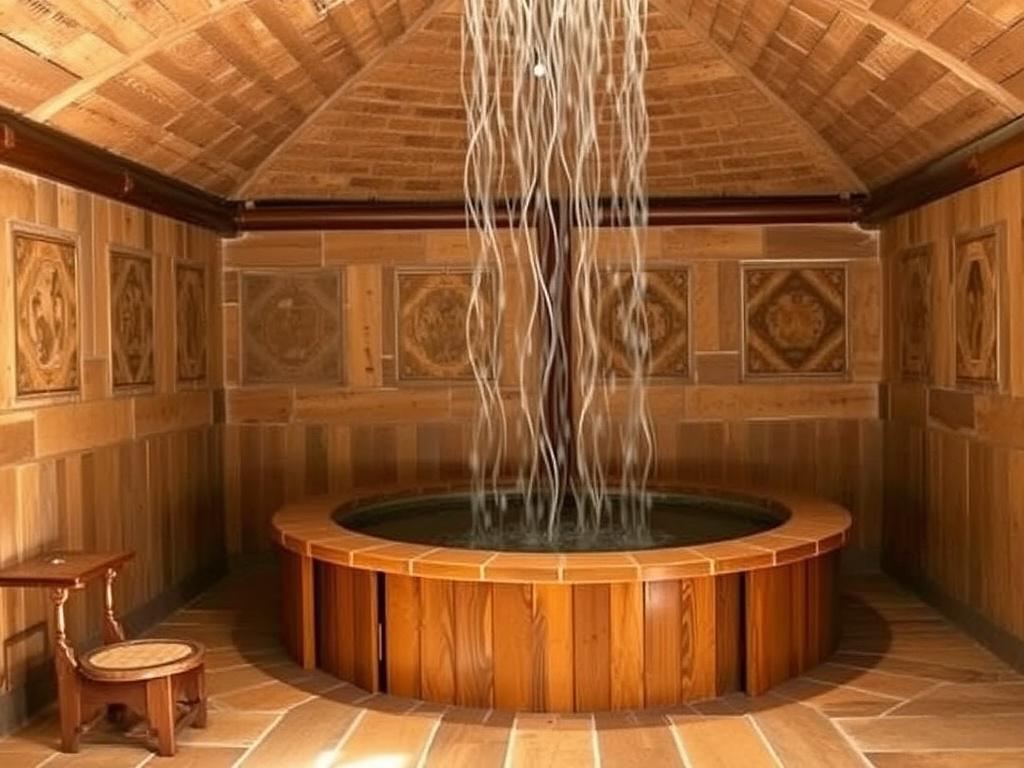
Both the hammam and the banya evolved from practical needs — cleanliness, social gathering, and health — but their stories diverge along geography, religion, and architecture.
The hammam traces its modern form to Roman baths and the Byzantine thermal tradition, later absorbed and transformed across the Islamic world. Where public baths already existed in cities, the hammam became a central part of urban life in the Ottoman Empire, North Africa, and the Middle East. It doubled as a place for hygiene and a social institution: weddings, negotiations, female socializing, and ritual purification all found space in the hammam.
The Russian banya, by contrast, grew out of Slavic rural life. Heating a wooden structure with a fokused stove, families found that steaming and cooling helped with hygiene and survival in cold climates. The banya became woven into seasonal rituals, births, and healing practices. It’s historically intimate and domestic as much as public: peasants, nobles, and later city dwellers all had banyas, from backyard sheds to elaborate public houses.
Why these cultural differences matter
Culture shapes rules for clothing, gender separation, conversation, and even the scents used. In many traditional hammams, gender‑segregated sessions are common and rituals emphasize cleansing and exfoliation. In banyas, mixed sessions occur, and the venik (leafy bundle) ritual reflects a folk medicine approach—beating and massaging the body to improve circulation. When you walk into either space, you’re not stepping into a generic “spa”; you’re stepping into a particular social world.
Architecture and Materials: Marble Rooms vs Wooden Cabins
Look around and you’ll instantly spot a big difference. Hammams are about stone and tile; banyas about wood and stove.
Traditional hammams feature stone or marble floors, raised warm platforms (often a central slab called the göbek taşı in Turkish hammams), domed ceilings with small star‑shaped windows, and channels that carry water. These materials hold heat and create near‑saturated steam. Basins and brassware are common, used for pouring water and bathing.
Russian banyas are wooden—from the walls to the benches to the door. A masonry or metal stove (pech) heats stones, and those stones can be sprinkled with water to produce bursts of steam called par. The wood sings and exhales a particular smell when heated, and the compact, insulated structure allows high air temperatures to be achieved quickly.
The visual and tactile contrast
If a hammam is cool, luminous, and marble‑smooth under your palms, a banya is warm, creaking, and scented with pine or birch. Both have an intimate physicality, but they engage different senses: hammams emphasize water and smoothness; banyas emphasize dry heat, wood grain, and the sound of steam hissed onto hot stones.
Temperature and Humidity: What the Air Feels Like
Temperature numbers alone can mislead because humidity transforms heat into sensation. Here’s a practical way to think about it:
- Hammam: moderate temperatures with very high humidity. The air is often nearly saturated; steam coats the skin and the heat feels enveloping but not blistering. Typical room temperatures are often in the 40–55°C range, but the 100% humidity makes it feel much warmer.
- Russian banya: higher temperatures with variable humidity. Air may be 70–110°C in some banyas. The par—the steam burst from splashing water on hot stones—can spike local humidity, but between par‑bursts the air is drier. That contrast of dry heat and sudden moist steam is a defining sensation.
In short: hammam equals steam all the time; banya equals intense dry heat punctuated by steam and then often intense cold afterward.
Typical Rituals and the Visitor Experience
Each tradition has a sequence of steps, but they follow different logics. Here’s what a typical visit might involve for a newcomer.
Hammam ritual — a step‑by‑step visit
- Enter the reception area and change into a provided wrap or keep a towel; in some places you wear a special towel called a pestemal.
- Start in a warm room to let the body acclimatize and to remove clothing; light conversation is common, and gender‑segregated hours are typical in traditional settings.
- Move to the hot steam room. You might sit or lie on a heated marble slab (göbek taşı).
- A wash attendant (tellak or attendant) may perform a vigorous exfoliation using a coarse glove (kese or mitt), followed by soap application and a foam massage with a thick, soapy lather.
- After scrubbing, rinse and relax in a warm or cooler room; a final rinse and application of oils or lotions may follow.
- Finish with tea, water, or light snacks in the relaxation area.
Banya ritual — a step‑by‑step visit
- Change and warm up on lower benches or in a pre‑heat room.
- Enter the hot room near the stove. Sit or lie on high benches for more intense heat; time spent here tends to be shorter than in a hammam because temperatures are higher.
- Use the venik: branches (usually birch, oak, or eucalyptus) are dipped in hot water and used to gently slap or brush skin. This stimulates circulation and releases aromatics.
- Leave for a cold plunge into icy water, a roll in snow, or a cold shower; repeat cycles of heat and cold as desired.
- Rest, hydrate, and often share food, tea, or vodka in a social area between sessions.
One key difference: hammam sessions favor extended, continuous steam and a full‑body scrub and wash. Banyas favor short, intense heat sessions interrupted by cold shocks and the venik ritual.
Scrubbing, Washing, and Aromas
Cleaning is central in both, but the methods and products differ.
In a hammam, scrubbing is formalized. A kese mitt removes dead skin; black soap or olive‑based soapy pastes are used for lathering; foam massages follow. Scents are often floral or herbal: rosewater, orange blossom, eucalyptus, or olive oil. The visual of white, pillowy foam is characteristic of the hammam experience.
In a banya, cleansing is less about long soapy lather and more about the venik, which releases essential oils and fragrances when heated. Eucalyptus, birch, and pine scents come directly from the leaves. Some banyas include a quick rinse or shower, but the emphasis is on thermal effects and circulation rather than extended soaping.
Social Use and Gender Norms
Both styles are social, but social rules vary.
Hammams historically have strict gendered spaces: separate times or separate rooms for men and women. They functioned as places for women to gather, new mothers to recuperate, or for families to prepare for weddings. Conversation tends to be subdued and intimate during certain parts (like the hot room), and there is a stronger element of service: attendants often do the scrubbing.
Banyas are flexible: family banyas might be a private, same‑family affair. Public banyas might be mixed or single‑sex depending on the facility and culture. Socializing — loud, convivial, and sometimes ritualized with drinking and music — is very common after sessions. The banya is often a space for bonding, storytelling, and shared challenge against the heat and cold.
Modern variations and gender considerations
Contemporary spas reinterpret these traditions: mixed hammam sessions, unisex banyas, and integrated wellness centers are widespread. If gender separation matters to you, check policies in advance.
Health Effects and Contraindications
Both hammam and banya can be restorative, but they aren’t risk‑free. Heat and steam help circulation, relax muscles, and open pores for cleansing. The contrast of heat and cold in a banya can stimulate cardiovascular responses and may aid recovery after athletic exertion.
Some documented and plausible benefits include:
- Improved circulation and temporary blood pressure changes.
- Relaxation of tense muscles and reduction in perceived muscle soreness.
- Skin cleansing and removal of dead skin cells, leading to a smoother surface.
- Respiratory relief from steam inhalation, helpful for some congestion cases.
But there are important cautions. People with uncontrolled hypertension, serious cardiovascular disease, certain respiratory illnesses, or pregnancy should consult a healthcare provider before using intense heat therapies. Dehydration and overheating are real risks; alcohol combined with heat can be dangerous. If you feel dizzy, nauseous, or faint, exit immediately and cool down slowly.
Etiquette: How to Behave in a Hammam and in a Banya
Etiquette differs and observing it will make your visit better for you and others.
Hammam etiquette
- Respect gendered times and spaces. Ask if separate hours apply.
- Keep voices low in the main steam rooms; it’s often a place of quiet relaxation.
- Bring or use the provided pestemal or towel for modesty if required; rules vary—some hammams expect nudity in same‑sex areas, others require covering.
- Tipping attendants for scrubs and massages is customary in many places; ask discreetly about prices beforehand.
- Follow local rules about photography—most hammams prohibit it.
Banya etiquette
- Check whether the facility is mixed; towels and swimsuits norms vary by place.
- Don’t overstay in the hottest benches; monitor your comfort and time your sessions with others.
- If using a venik or par, ask or follow the lead of regulars. The par may be served in rounds; coordinate so you don’t disrupt.
- Be sociable but mindful of others’ thresholds for noise and conviviality.
- Bring water and rehydrate during rest periods; share chill or tea in the relaxation area if it’s common there.
Comparative Table: At a Glance
| Feature | Hammam | Russian Banya |
|---|---|---|
| Origins | Roman/Byzantine roots; popularized across Ottoman, Arab, North African cultures | Slavic peasant tradition; rural and domestic origins |
| Materials | Marble, stone, tile, brass basins | Wooden structure, benches, masonry/metal stove |
| Heat & Humidity | Moderate temperature; near‑100% humidity (steady steam) | High temperature; variable humidity with steam bursts (par) |
| Typical Temperature | Roughly 40–55°C (feels hotter due to humidity) | Roughly 70–110°C (varies widely) |
| Key Rituals | Kese scrubbing, foam massage, prolonged steam bathing | Venik beating/brushing, par bursts, heat/cold cycles |
| Cooling Methods | Basins of cold water, cooler rooms, showers; controlled cooling | Cold plunge pools, snow roll, cold shower; abrupt contrasts |
| Social Role | Community cleansing, female social spaces, ceremonial uses | Family bonding, socializing, folk medicine rituals |
| Common Scents | Rosewater, jasmine, orange blossom, olive oil | Birch, oak, pine, eucalyptus |
| Typical Attendant Role | Washer/attendant performs scrubbing and soap massage | Attendant may prepare venik and par; more self‑directed |
What to Pack and Practical Tips for First‑Timers
Whether you plan to visit a hammam or a banya, a few items and some preparation will make the experience smoother.
- Bring a towel and flip‑flops. Some places supply them, others don’t.
- Hydrate before and after. Avoid alcohol before entering.
- Check modesty rules: hammams may require full nudity in same‑sex areas but towels in mixed areas; banyas vary by facility.
- Ask about pricing and tipping beforehand. In a hammam especially, scrubs and massages are often extra.
- Set a time limit for your first session. Start with shorter stints and build up tolerance.
- Wear or bring a lightweight change of clothes for after you cool down.
- If you’re pregnant, have cardiovascular disease, or are prone to heat fainting, consult a doctor first.
Modern Spa Culture: Reinvention and Fusion
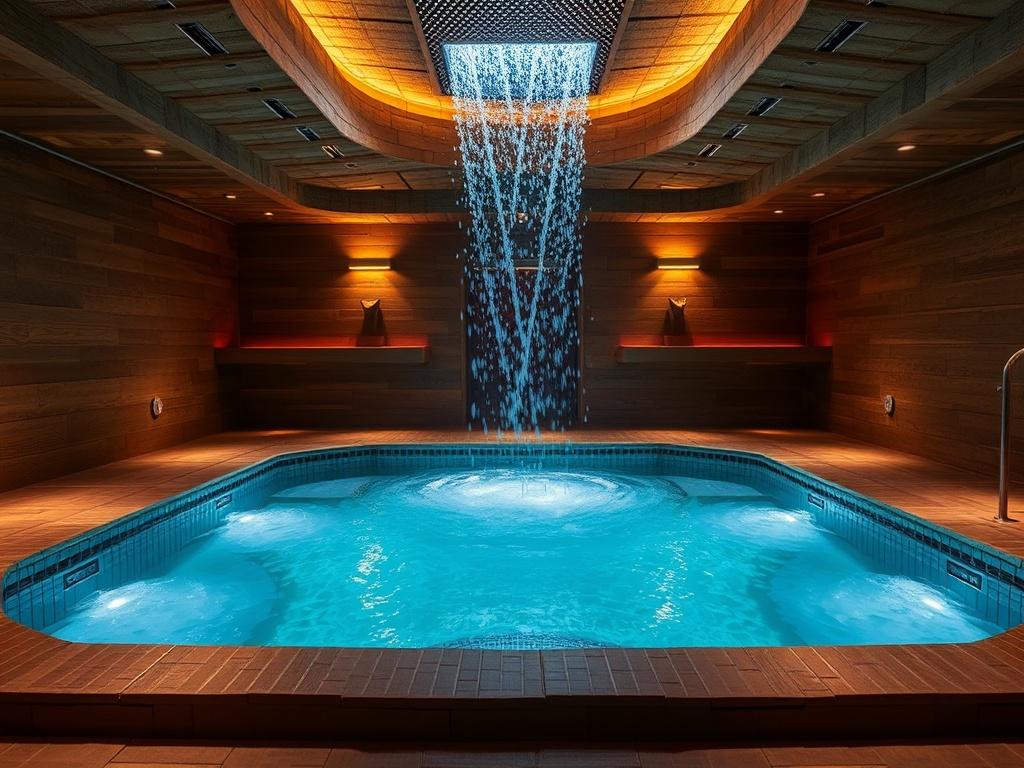
As wellness travel grows, so do hybrid interpretations. Luxury spas offer Turkish‑style hammams with marble slabs, foam massages, and serene lighting in 5‑star hotels. Urban wellness centers sometimes fuse the venik ritual into their sauna program or offer “Russian‑style” steam sessions with birch scent. Moroccan hammams specialize in black soap (beldi), rhassoul clay, and argan oil, while some Nordic spas import hammam stalls as complementary experiences to cold Nordic baths.
These modern versions often cater to tourist expectations and comfort levels, so they can be less raw and more sanitized than a historic public hammam or a village banya. That’s not always a bad thing — modern spas make it easier to try these traditions safely — but if you’re after authenticity, look for local, longstanding bathhouses or ask regulars about the most traditional places.
Commercialization: benefits and pitfalls
Commercial spas help preserve bathing crafts, provide comfortable introductions to these traditions, and create jobs. But they can erode local rituals or standardize practices. When you can, support local practitioners and small bathhouses; seek out places where attendants learned scrubbing and venik techniques through apprenticeship rather than a corporate manual.
Case Studies: How Two Cities Do It
Istanbul — The Turkish Hammam Experience
In Istanbul, hammams range from ornate historic bathhouses with mosaic tiles and beautifully carved domes to contemporary hotel hammams. The sequence is usually warm room, hot room, scrub and soap, rinse, and rest. Many tourists go to famous hammams for the full scrub and foam massage performed by an attendant, which is both cleansing and theatrical.
Moscow — The Russian Banya Practice
Moscow’s banyas vary from communal Soviet‑era bathhouses to private banya clubs—some with pools, saunas, and chefs. The venik ritual is common; steam masters time the par and guide rounds, and cold plunges or icy dips are part of the expected pattern. In urban banyas, you’ll find both traditionalists and people who treat the banya as a luxury wellness ritual.
Common Misconceptions
There are a few myths that get repeated: that a banya is just a “sauna” or that a hammam is just a “steam room.” These simplifications miss important distinctions. A banya’s venik ritual and heat/cold cycling make it a more dynamic thermal therapy; a hammam’s marble geometry, continuous steam, and communal wash service make it a ritualized cleansing experience with its own pace. Saying “they’re the same” is like saying theater and a concert are the same because both happen on stages.
Another misconception is that one is “healthier” than the other. Each has benefits and contraindications; effectiveness depends on how you use them and your health condition.
DIY at Home: Getting a Taste of Each Tradition
You don’t need to travel far to try aspects of both traditions. Here’s how to approximate each experience safely at home.
Home hammam approximation
- Run a very hot shower with the bathroom door closed to create steam.
- Warm a flat surface or a thick towel to lie on, then sit or lie in the steam briefly.
- Use a gentle scrub glove (kese) or exfoliating mitt with a mild soap to exfoliate and rinse thoroughly.
- Finish with a warm rinse and apply a light oil or moisturizer.
Home banya approximation
- Use a sauna or steam room if you have one; otherwise, sit in a hot shower or steam sauna for short intervals.
- If you can safely access birch branches, soak a few twigs in hot water and gently brush your arms and legs with them. Otherwise, use a wet washcloth to simulate the venik sensation.
- Cool quickly with a cold shower, a cold tub, or a brisk outdoor splash.
- Repeat as you feel comfortable, then rest and hydrate.
These are approximations and won’t capture the full ritual or architecture, but they offer a sense of each tradition’s core sensations.
Costs and Accessibility
Prices range dramatically. In many cities, public hammams and banyas are inexpensive community services. In tourist hotspots and luxury hotels, spa versions can be quite costly. Consider what you value: authenticity, privacy, attendant services, or a spa atmosphere. Accessibility is improving—many urban spas provide multilingual staff and clear instructions—but always check beforehand about gender policies, clothing rules, and included services.
Frequently Asked Questions
Is one better for detoxing?
Sweating helps remove some water‑soluble substances and is often described as “detoxing,” but neither a hammam nor a banya substitutes for medical detox. They support circulation and skin cleansing; healthy liver and kidneys do the biochemical detox work.
Can I eat or drink in the steam rooms?
No. Drink water between sessions, but avoid eating or drinking alcoholic beverages inside steam rooms. Many banyas have a social area for food and drinks after the sessions.
How long should a session last?
Beginners should start with short intervals — 5–15 minutes in intense heat or until comfortably warm in a hammam — followed by a cool‑down. Repeat if desired. Listen to your body.
Are there age limits?
Children may use these spaces with supervision in many family banyas or private hammams, but high heat is not appropriate for infants and very young children. Ask the facility about age policies.
Practical Scenarios: Choosing Which to Try
Which one should you pick first? It depends on your personality and what you want out of the experience.
- If you want a ritualized wash, a relaxing exfoliation, and a gentler, continuous steam: start with a hammam.
- If you enjoy physical contrast, brisk sensations, and communal conviviality with a bit of raw vigor: try a banya.
- If you want a deep‑muscle recovery after sports, both can help; the banya’s hot‑cold cycles are especially favored by athletes for recovery.
Preserving Tradition: Why These Rituals Matter
Beyond relaxation, these bathing cultures preserve knowledge about materials, healing practices, and social connection. In many places, they are living traditions: attendants pass skills between generations; recipes for soaps and scents are regional treasures; gendered spaces hold community memory. Visiting respectfully means recognizing that a hammam or banya can be more than a novelty—it can be an expression of history.
Summary Checklist: Before You Go
- Check gender‑segregation and clothing rules.
- Confirm what services cost and whether attendants are included.
- Bring or confirm provision of a towel, flip‑flops, and water.
- Start slowly; plan for multiple short rounds rather than one long stint.
- Don’t combine heavy alcohol with intense heat; rehydrate afterward.
- Ask about traditional practices if you want an authentic experience.
Conclusion
A hammam and a Russian banya are both invitations to slow down, sweat, and socialize, but they offer distinct journeys: the hammam wraps you in continuous steam, marble warmth, and ritualized scrubbing; the banya pushes you through blazing heat, aromatic leaf‑whacks, and dramatic cold plunges. Each carries history, community, and specific health considerations. Your choice depends on what you seek—gentle immersion and cleansing, or raw thermal contrast and convivial challenge—but either can reset the body and mind when respected and used wisely. Try both if you can; the contrast will teach you more about how different cultures shape simple acts like bathing into nuanced rituals of care.

