
Bathhouse for Immunity: How to Harden the Body
Step inside and feel the steam wrap around you: centuries of human practice have converged on a simple truth—controlled exposure to heat and cold trains the body in ways a treadmill cannot. A bathhouse is more than a place to get clean; it’s a laboratory for resilience. This article walks through why and how regular sessions in saunas, banyas, hammams, and cold plunges can help strengthen your immune system, how to build a safe routine, and which practical steps turn an occasional indulgence into a durable health habit.
We’ll cover the science without turning it into jargon, share actionable routines you can use today, and flag safety issues so you don’t overdo it. Read on if you want to use thermal contrast and mindful recovery to bolster your defenses, sleep better, and feel more energetic year-round.
Why the bathhouse can boost immunity
The idea that a hot, steamy room or a brisk cold plunge can make you healthier sounds almost folkloric. Yet there’s a physiological logic under the folklore. Heat and cold are stressors—controlled stressors—that push the body to adapt. Those adaptations include improved circulation, altered immune cell trafficking, and changes in inflammatory signaling. In practical terms, a smart thermal regimen nudges your immune system to become more efficient at responding to threats.
Regular exposure to thermal stress also influences non-immune systems that indirectly support immunity: better sleep, reduced stress hormones, improved cardiovascular function, and enhanced metabolic flexibility. Those are the background conditions that allow the immune system to perform at its best. In other words, the bathhouse is both a direct training ground for immune cells and a catalyst for healthier systems that keep immunity sharp.
The science behind thermal exposure and the immune response
You don’t need a PhD to appreciate the core mechanisms. Heat and cold change the behavior of immune cells, cytokines, and stress hormones. For example, short-term heat exposure increases circulating white blood cells and mobilizes natural killer cells—early responders against infected or abnormal cells. Cold exposure can stimulate noradrenaline release, which alters immune signaling and may reduce systemic inflammation over time.
Heat shock proteins (HSPs) deserve a special mention. These molecules are produced in response to elevated temperatures and help cells cope with stress. HSPs act as chaperones for damaged proteins and also influence antigen presentation, a key step in how the immune system recognizes invaders. Regular sauna use has been linked in some studies to higher baseline levels of HSPs, which may help the body respond more quickly to stress or infection.
Heat exposure: what’s happening physiologically
When you sit in a hot room, your core temperature rises and your heart rate increases. Blood vessels near the skin dilate to dissipate heat, which improves peripheral circulation. The result is a flushing of blood through capillary beds that might otherwise be less active—helping to redistribute immune cells and metabolites. Short-term rises in body temperature also mimic aspects of fever, a natural defense that can make environments less hospitable to pathogens.
Heat stimulates the hypothalamic-pituitary-adrenal axis briefly, causing surges in cortisol and adrenaline. Those hormones have complex immune effects: in small, controlled bursts they can sharpen immune responses and reduce chronic inflammation, but if they’re persistently elevated they become detrimental. That’s why duration and frequency matter: occasional, measured heat exposure is the aim, not prolonged daily overheating.
Cold exposure and thermal contrast
Cold exposure—whether through a plunge, shower, or a brisk outdoor dip—triggers a sympathetic nervous system response. You’ll see a spike in noradrenaline, increased heart rate, and vasoconstriction. That rapid shift toggles immune cell circulation and can reduce inflammatory cytokines in people who practice cold exposure regularly. Cold also encourages brown adipose tissue activity and metabolic adaptation, which may indirectly enhance immune resilience.
Combining heat and cold—contrast therapy—amplifies the benefits. The alternation between vasodilation (heat) and vasoconstriction (cold) creates a vascular “gym,” improving endothelial function and microcirculation. That dynamic environment seems to recalibrate inflammatory signaling and aid recovery after stress or exercise.
Traditional bathhouse practices from around the world
Humans have been refining heat and steam for millennia. Different cultures developed distinct rituals that reflect local climates and social needs—yet many traditions converge on the same physiological principles.
- Russian banya: Hot steam, vigorous venik (birch or oak whisk) brushing, and often followed by a cold plunge or snow roll.
- Finnish sauna: Dry heat at high temperatures with short, intense sessions and cooling breaks, commonly with repeated cycles.
- Turkish hammam: Warm, humid environment with exfoliation, massage, and longer periods of relaxed heat.
- Japanese onsen: Mineral-rich hot baths, often for longer soaking at moderate temperatures, with a strong emphasis on relaxation.
- Korean jjimjilbang: Multi-room spas with various temperature chambers, social areas, and restorative foods.
Each tradition mixes heat, humidity, social ritual, and cooling in ways that promote both physical benefits and psychological recovery. The social element—conversation, ritual, shared quiet—reduces stress, which is essential for maintaining immune function over the long term.
A step-by-step bathhouse routine to harden the body
There’s no single “correct” routine, but there are safe, progressive ways to introduce thermal stress so your body adapts. Below is a practical sequence you can use in a sauna or similar setting. Start conservatively and increase intensity only as you feel comfortable.
- Preparation: Hydrate, empty your bladder, and avoid heavy meals or alcohol beforehand.
- Initial heat session: 8–12 minutes at a moderate temperature to begin the adaptation process.
- Cool-down: 1–3 minutes of cold exposure—cold shower, plunge, or fresh air—focused on breathing and calm recovery.
- Repeat cycles: Two to four heat/cool cycles depending on experience and comfort.
- Final recovery: Rest for 10–20 minutes, hydrate, and eat a light, nutrient-rich snack if needed.
Those steps are flexible. If you’re new, one cycle is sufficient. If you’re experienced, you can push durations or number of cycles, but always limit extremes and prioritize hydration and recovery afterward.
Preparation
Preparation is more than pre-sweating logistics. It’s a mindset. Give yourself time to arrive calmly. Hydration is essential—drink 300–500 ml (10–17 oz) of water in the 30–60 minutes before you begin. Avoid alcohol entirely before and during thermal sessions; it impairs temperature regulation and can make dehydration worse. Light clothing or a towel is fine—think of comfort and the rules of the facility.
If you take any medications, especially for blood pressure or heart conditions, check with a healthcare professional before regular thermal exposure. Also, avoid heavy meals in the hour before a session; digestion competes with thermoregulation for blood flow.
Heating phase
Enter the hot room slowly and choose a bench height that matches the intensity you want—upper benches are hotter. Sit or lie down and focus on relaxed, deep breathing. In early sessions you may feel your heart rate increase; that’s normal. Limit initial sessions to 8–12 minutes. If you experience dizziness, excessive nausea, or disorientation, leave immediately.
Some people use aromatics or steam to increase humidity—do this sparingly. Higher humidity increases perceived heat and can shorten safe exposure times. Pay attention to how your body reacts rather than the clock alone.
Cooling phase
Cooling is where many of the adaptive benefits consolidate. Move to a cooler area or take a brisk cold shower, concentrating on controlled inhalations and exhalations. Cold exposure need not be extreme: 30–90 seconds for beginners is plenty. If you use a plunge pool, ease in slowly—the initial shock can spike blood pressure and heart rate. Control your breathing; deliberate exhalation calms the sympathetic surge.
After cooling, rest seated or reclined for several minutes. This transition time is important—your body needs to reestablish equilibrium. Enjoy the sensation of warmth returning to your limbs; it’s evidence of improved vascular responsiveness.
Table: Recommended temperatures and durations for different experience levels
| Experience Level | Sauna Temperature (°C / °F) | Heat Duration | Cold Duration | Cycles per Session |
|---|---|---|---|---|
| Beginner | 65–75°C (149–167°F) | 6–12 minutes | 30–60 seconds | 1–2 |
| Intermediate | 75–90°C (167–194°F) | 8–15 minutes | 45–90 seconds | 2–3 |
| Advanced | 80–100°C (176–212°F) | 10–20 minutes | 60–120 seconds | 3–4 |
Safety considerations and who should avoid extreme thermal practices
Bathhouse rituals are powerful but not risk-free. Because heat and cold change cardiovascular and autonomic function, certain people should be cautious or avoid intense practices altogether. If you have known cardiovascular disease, uncontrolled hypertension, recent myocardial infarction, stroke, severe varicose veins, or are pregnant, consult a clinician before attempting regular sessions.
Other risk factors include chronic kidney disease (due to dehydration risk and altered electrolytes), certain autonomic disorders, and use of medications that impair temperature regulation (some antidepressants, anticholinergics, and beta-blockers). Older adults often need lower intensities and longer recovery periods because thermoregulatory systems become less efficient with age.
Contraindications and warning signs
- Severe or unstable cardiovascular disease
- Recent heart attack or stroke (within the past 6 months)
- Pregnancy complications—consult obstetrician
- Syncope (fainting) history with heat or orthostatic stress
- Active fever or acute infection—do not use until recovered
- Severe chronic kidney disease or electrolyte imbalance
Warning signs during a session: chest pain, significant shortness of breath, confusion, faintness, irregular heartbeat, or persistent dizziness. If these occur, stop immediately, cool down, hydrate, and seek medical help if symptoms persist.
How often to use the bathhouse and how to progress
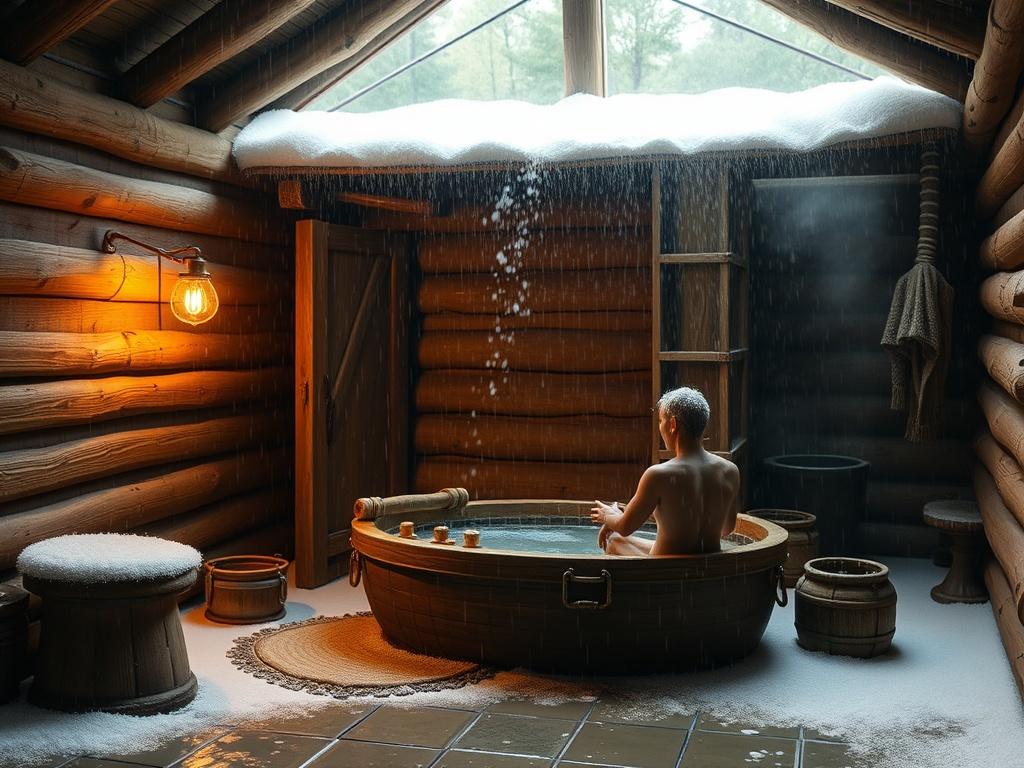
Frequency depends on goals and tolerance. For immune-supportive effects, studies and traditional practice often recommend two to four sessions per week. Consistency matters more than occasional extremes. Like exercise, thermal training produces cumulative benefits; progressive exposure over weeks and months builds adaptation.
Progression should be gradual. Start with lower temperatures, shorter durations, and fewer cycles. Increase one variable at a time—add a minute or two to heat time, increase cold duration slightly, or add one additional cycle per week. Track how you feel in the hours and days after sessions: better sleep, steadier moods, fewer mild infections are signs you’re on the right track. Any persistent fatigue, poor sleep, or worsening headaches means dial back.
Sample monthly progression plan
- Week 1: 1–2 sessions, 8–10 min heat, 30–45 s cold, 1–2 cycles.
- Week 2: 2 sessions, 10–12 min heat, 45–60 s cold, 1–2 cycles.
- Week 3: 2–3 sessions, 12–15 min heat, 60–90 s cold, 2–3 cycles.
- Week 4: 3 sessions, 15–18 min heat (if comfortable), 90–120 s cold, 2–3 cycles.
Adapt based on recovery and external stressors. During illness, high-stress weeks, or after intense training, take extra rest days and reduce intensity to avoid overtaxing the system.
Complementary habits to support immune-strengthening
The bathhouse is a tool, not a cure-all. To optimize immune benefits, layer other healthy habits beneath the thermal practice. Hydration before and after sessions is crucial—aim for electrolyte-balanced fluids if sessions are prolonged. Quality sleep amplifies immune adaptation; sauna users often report deeper sleep after sessions.
Nutrition also matters. Prioritize whole foods, moderate protein, healthy fats, and colorful vegetables. Certain nutrients—vitamin D, zinc, and omega-3 fatty acids—support immune function and recovery. Resist the temptation to treat thermal sessions as a substitute for consistent exercise. Regular moderate physical activity synergizes with thermal exposure to improve cardiovascular health and metabolic resilience.
Breathing, mindfulness, and recovery practices
Mindful breathing during heat and cold phases stabilizes the autonomic response and improves tolerance. Try diaphragmatic breathing: slow inhales through the nose and long exhales. Add light mobility or stretching in the recovery period to reduce muscle tension. Foam rolling and gentle yoga afterward can enhance circulation and relaxation.
Finally, rest is part of the protocol. The immune system does much of its repair work during sleep and low-activity periods. Ensure you schedule relaxation after intense sessions—your body needs the downtime to consolidate adaptations.
Common myths and misconceptions
Myth-busting keeps practice honest. A few persistent misunderstandings deserve correction.
- Myth: Saunas prevent respiratory infections entirely. Reality: Regular sauna use is associated with lower rates of some infections in observational studies, but it’s not a guarantee. It reduces risk factors, not inevitabilities.
- Myth: You should stay in the sauna until you faint for maximum benefit. Reality: Fainting is a sign you’ve gone too far. Benefits come from repeated, controlled exposure—not collapse.
- Myth: Cold plunges immediately “boost” immunity for hours. Reality: Cold exposure produces acute hormonal and immune effects; long-term benefits require consistency and recovery.
- Myth: More heat equals more benefit. Reality: Too much heat too often can increase stress hormones chronically and impair recovery. Balance is key.
These myths often arise from misunderstanding adaptive stress. Treat thermal practices like training: progressive, measured, and individualized.
Practical tips for visiting a public bathhouse or building one at home
Public facilities are social and convenient—but etiquette and common-sense precautions keep everyone safe and comfortable. Always shower before entering communal pools or saunas, bring a clean towel to sit on, and follow local rules on clothing. Don’t use cell phones in quiet areas; these spaces are for relaxation, not calls.
If you build a sauna or bath area at home, prioritize ventilation, a reliable temperature control system, and safe electrical installation. A thermometer and a timer are essential. For cold plunges, ensure filtration and sanitation to avoid skin infections. If using an improvised tub, change the water frequently and clean surfaces between uses.
What to bring to a session
- Towels (one to sit on, one to dry off)
- Slip-resistant sandals
- Water bottle with electrolytes as needed
- Loose clothing for after-session comfort
- Simple snacks (banana, yogurt, or nuts) for recovery if needed
Keep items simple and hygienic. If the bathhouse offers food, choose balanced options—sugary drinks and heavy fried foods undercut the recovery benefits.
Budget-friendly home options and alternatives
Not everyone has easy access to a traditional bathhouse. Yet you can reproduce many of the benefits at home with creativity. Hot baths with Epsom salts, steam rooms created by running hot showers in a small bathroom with a closed door, and portable infrared saunas can be effective substitutes. For cold exposure, a sturdy shower with cold settings, filling a bathtub with ice water, or even regular walks in cool weather (with quick cooling phases) are viable.
When using home options, pay careful attention to temperature control and safety. Avoid prolonged immersion in very hot baths and never combine alcohol with hot baths or cold plunges. Use a buddy system or let someone know your plan if trying more intense plunges for the first time.
Measuring progress and listening to your body
Progress doesn’t have to be quantified by lab tests. Subjective measures—sleep quality, energy levels, frequency and severity of colds, mood stability, and workout recovery—are meaningful indicators. Keep a simple journal: note session times, temperatures (if known), and your physical and mental state in the 24–72 hours afterward. Over weeks and months you’ll see patterns emerge.
Objective measures can complement personal tracking. Heart rate variability (HRV), resting heart rate, and blood pressure trends indicate cardiovascular adaptation. If you have access to medical testing, periodic blood work to monitor inflammatory markers (like hs-CRP) or immune cell counts can document change, but these are not necessary for most people.
Case studies and anecdotal evidence
Traditional societies offer compelling anecdotes: Finnish sauna-goers often report fewer respiratory infections and feelings of well-being during winter months; bathhouse communities in Eastern Europe combine ritual and resilience in a way that strengthens both social bonds and health. In clinical settings, small studies link regular sauna use with reduced risk of certain cardiovascular events and improved mood.
While anecdotes are not proof, they’re useful as guiding stories. Many practitioners describe improved sleep after sessions, fewer sick days during cold seasons, and quicker recovery after intense exercise. These subjective reports align with plausible mechanisms discussed earlier.
When to seek medical advice
If you plan to start a rigorous thermal program and have any chronic health condition—especially cardiac or renal disease—talk to a physician first. Immediate medical attention is warranted for any session that produces chest pain, sudden severe headache, fainting, confusion, or vomiting. If you’re pregnant or trying to conceive, consult your obstetrician before starting regular sauna or cold plunge routines—thermal stress can affect pregnancy differently depending on individual circumstances.
Finally, if you notice persistent changes after starting a routine—worsening sleep, chronic fatigue, frequent infections, or troubling cardiovascular symptoms—pause the protocol and get evaluated. Thermal practices are a health tool: when they don’t make you feel better, reassess and adapt.
Conclusion
Using a bathhouse to harden the body is a time-honored, practical approach that combines heat, cold, breathing, and recovery to train physiological resilience. When practiced sensibly and consistently, thermal exposure can improve circulation, modulate inflammation, enhance sleep, and support immune function. Start conservatively, progress gradually, layer supportive habits like hydration and good sleep beneath your sessions, and always listen to warning signs. The bathhouse is not a quick fix but a lifestyle tool—one that rewards patience, safety, and regularity with measurable improvements in how you feel and how well your body handles stress.

