
How to Cool Down Correctly After the Steam Room: Ice Dipping, Shower, Air
Entering a steam room is surrendering, briefly, to heat: the world narrows to a humid blanket, your breath fogs, and your pulse rises while your muscles loosen. Exiting that warmth too quickly, though, can leave you dizzy, faint, or simply uncomfortable. Cooling down after a steam session is not a trivial add-on — it’s the bridge between relaxation and safe recovery. This article walks you through practical, evidence-informed ways to cool down: ice dipping (cold plunges), cold showers, air cooling, and combinations of these approaches. You’ll get step-by-step routines, safety rules, modifications for different people, and a quick-reference table so you can choose the method that fits your body, environment, and goals.
What the Steam Room Does to Your Body
A steam session raises skin and core temperatures, dilates blood vessels near the surface, and stimulates sweat production. Your heart rate increases to move warm blood to the skin, and your blood pressure may change as peripheral vessels widen. The humid environment reduces evaporative cooling, so sweat doesn’t dry and cool you as effectively as it would in dry heat. All of this produces that relaxed, flushed sensation — but it also creates the need for deliberate cooling. If you simply step into a cold space or plunge straight into icy water without preparation, the rapid shift can trigger a strong cardiovascular response: vasoconstriction, a sudden spike or drop in blood pressure, or a reflexive gasp that can be dangerous if water surrounds you.
Why Cooling Down Properly Matters
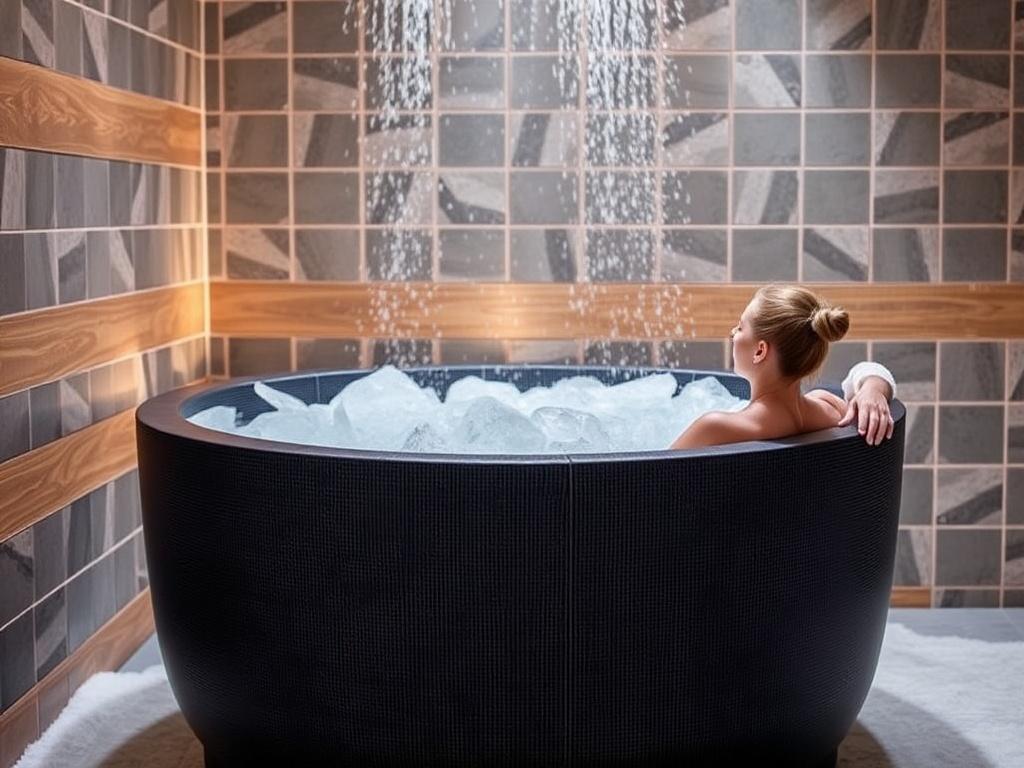
A thoughtful cooldown reduces the risk of fainting, orthostatic intolerance (dizziness when standing), and arrhythmias in susceptible people. It eases the transition back to baseline for your nervous system, which is important whether you used the steam room for relaxation or recovery after exercise. Cooling correctly also helps your skin recover: pores tighten gradually, residual sweat washes away, and inflammation caused by heat exposure begins to settle. For athletes, it can reduce muscle soreness and assist in recovery; for someone looking to relax, it preserves the calm state rather than shocking the system back into alertness.
Overview of Cooling Methods
There are three broadly used approaches to cool down after heat exposure: cold immersion (ice dipping or cold plunge), cold showers, and air cooling (resting in cooler air with or without fans). Each has different physiological effects, time requirements, and safety implications.
- Cold immersion (ice dipping): Submerging in cold water, often between 5–15°C (41–59°F), typically for short durations. Powerful and fast-acting; best for short, controlled exposures.
- Cold shower: A gradient method that’s easier to control, practical where a plunge pool isn’t available. Water temperature can be adjusted and exposure increased gradually.
- Air cooling: Passive or active cooling using cooler air, shade, fans, or a brief outdoor walk in cooler weather. Slower but gentle; good as a first step or for those who can’t tolerate cold water.
Contrast therapy — alternating hot and cold — is a hybrid approach often used after steam or sauna sessions. It exploits vascular pumping (dilation then constriction) and can be adapted for comfort and goals. Contrast can be effective but requires attention to timing and one’s health status.
How Each Method Affects the Body
- Cold immersion causes rapid peripheral vasoconstriction, reduces skin temperature quickly, slows down local inflammation, and can blunt perceived soreness.
- Cold showers provide a milder vasoconstrictive stimulus; they are also better for gradual acclimation and avoiding the shock response.
- Air cooling restores thermal balance gradually by increasing the gradient for heat loss via convection and evaporation, especially when humidity is lower.
Comparing Cooling Methods: Quick Reference Table
| Method | Typical Temp | Typical Duration | Primary Effects | Best For | Risks |
|---|---|---|---|---|---|
| Ice dipping / Cold plunge | 5–15°C (41–59°F) | 30s–3 min (short exposures) | Rapid cooling, vasoconstriction, reduced inflammation | Athletes, experienced users, quick recovery | Cold shock, arrhythmia risk, hyperventilation |
| Cold shower | 10–25°C (50–77°F) | 1–10 min depending on tolerance | Moderate cooling, controllable exposure | Most users, beginners, spa settings | Discomfort, possible lightheadedness if too abrupt |
| Air cooling (fan, shade) | Ambient temperature (15–25°C / 59–77°F) | 5–20 min | Gradual reduction in skin temperature, relaxation | Older adults, pregnant people, sensitive individuals | Slow relief, less effective if humidity high |
| Contrast bathing | Hot: previous steam; Cold: 10–20°C | Alternating cycles of 30s–3min | Vascular pumping, perceived recovery | Athletic recovery, circulatory training | Cardiovascular strain if not careful |
Step-by-Step Cooling Protocols
Structure matters. Below are practical sequences you can follow depending on your goal and experience. Assume you just left the steam room and feel warm and slightly lightheaded.
General Immediate Steps (first 1–3 minutes)
- Exit slowly. Pause at the doorway, take a few deep, controlled breaths to steady breathing and slow the heart rate.
- Sit if you feel dizzy. Sitting or reclining reduces the risk of fainting.
- Sip cool (not ice-cold) water to start rehydration and help normalize temperature.
- Wipe excess sweat with a towel to help evaporation once you’re in cooler air.
These simple actions reduce the shock of transitioning to colder environments and give you time to choose a cooling method.
Beginner Routine — Gentle, Low-Risk
- Step 1: Sit in a cool, shaded area or a room with a fan for 5–10 minutes. Keep breathing steady, slowly deepen inhalations and exhalations.
- Step 2: After 5 minutes, take a lukewarm to cool shower for 2–5 minutes. Start with warm water and reduce temperature gradually.
- Step 3: Dress in light clothing and continue to rest for another 10 minutes while sipping water with a pinch of salt or a balanced electrolyte drink if you sweated heavily.
Intermediate Routine — Efficient and Controlled
- Step 1: After leaving the steam room, sit for 1–2 minutes and drink 150–250 ml of cool water.
- Step 2: Take a cool shower for 1–3 minutes, focusing on the torso and neck. Avoid a sudden head dunk if you’re prone to dizziness.
- Step 3: If you have access to a cold plunge, proceed to a 30–90 second immersion at 10–15°C. Keep breathing slow and controlled. Exit if you feel numbness, severe discomfort, or a racing heart.
- Step 4: Rest for 10–15 minutes, rehydrate, and monitor how you feel before resuming regular activity.
Advanced Routine — For Athletes and Seasoned Users
- Step 1: Short active cool-down: 1–2 minutes of light walking or mobility to normalize circulation.
- Step 2: Cold plunge cycles: 2–3 rounds of 30–60 seconds in 5–12°C water, with 2–5 minutes of passive recovery (air cooling or warm shower) in between if practicing contrast therapy.
- Step 3: Finish with a cool shower and 10–20 minutes of passive rest, rehydrate, and use compression or gentle stretching as needed.
Timing, Temperature, and How Long Is Enough
Duration and temperature must match your experience, health, and goals. For most people, a cold shower of 1–5 minutes provides substantial cooling without the risks of immersion. For ice dipping, short exposure times (30 seconds to 3 minutes) at 5–15°C are typical; experienced athletes sometimes go longer but often under supervision.
A good rule of thumb: if you notice intense shivering, numbness, or confusion, you’ve gone too far. Conversely, if you leave the cooling step feeling still overheated or nauseous, you didn’t cool enough. Aim for a comfortable transition toward baseline temperature rather than an aggressive plunge into cold endurance.
Practical Tips for Each Method
Ice Dipping / Cold Plunge
- Test water temperature with a thermometer before submerging; don’t guess.
- Enter feet first, keep your head above water, and control breathing. A rapid gasp can be dangerous.
- Start with 30 seconds on your first attempt. Increase gradually by 15–30 seconds over subsequent sessions.
- Have someone nearby if you’re new to cold plunges or using very cold temperatures.
Cold Shower
- Start warm, then reduce to cool to allow a gradual physiological response.
- Point water flow toward torso and neck for efficient cooling. Avoid a direct cold blast to the head if prone to dizziness.
- Adjust duration to comfort: 60–180 seconds works well for most people.
Air Cooling
- Lower ambient humidity if possible; fans increase evaporative cooling even when temperature isn’t much lower.
- Remove damp clothing and sit still for 5–20 minutes to let the body re-establish thermal balance slowly.
- Consider applying a cool compress to the back of the neck or wrists for added comfort without sudden stress.
Contrast Therapy — Using Heat and Cold Together
Alternating hot and cold exposures leverages vascular changes to stimulate circulation and can be pleasant and effective for recovery. A classic protocol is 3–4 cycles of 3–4 minutes in heat (or steam) followed by 30–90 seconds in cold water. The idea is to create a pumping action in blood vessels: dilation in heat, constriction in cold. For beginners, shorten cycles and keep cold phases mild. For advanced users, longer cold exposure may be added cautiously.
Do not use contrast therapy if you have uncontrolled hypertension, cardiovascular disease, or other conditions that make rapid vascular shifts risky. Always consult a healthcare professional if uncertain.
Special Considerations: Who Needs Extra Caution
- Older adults: Cooling capacity decreases with age. Favor slower air cooling or lukewarm showers and avoid extreme cold immersions.
- Pregnant people: Avoid extreme temperature swings and prolonged exposure to very cold water. Gentle air cooling or cool showers are safer choices.
- Children: They lose heat faster and may not communicate discomfort effectively. Supervision is essential; prefer mild cooling methods.
- Cardiovascular concerns (arrhythmias, angina, recent heart attack): Avoid abrupt cold immersion and contrast therapy without medical clearance.
- High blood pressure: Consult a provider before starting cold plunge routines; cold can constrict blood vessels and affect blood pressure.
- Alcohol or sedative use: Heat exposure paired with alcohol increases fainting risk; do not use steam rooms or cold plunges while under the influence.
Hydration, Electrolytes, and Nutrition After Steam
Cooling down is only part of recovery. Replace fluids lost through sweat by sipping water immediately and continuing to drink over the next hour. For long or intense sweating sessions, an electrolyte drink with sodium, potassium, and magnesium helps restore balance. Small, easily digested snacks containing protein and carbohydrates are useful after athletic sessions to kickstart recovery.
Avoid the temptation to gulp ice-cold drinks immediately after extreme heat. Cool or room-temperature fluids are gentler on the system and reduce gastric discomfort.
Skin Care and Hygiene Post-Steam
Steam opens pores; after cooling, consider a lukewarm shower to cleanse sweat, oils, and any topical products. Use a gentle cleanser and moisturize after drying to restore the skin barrier. If you’re using a public facility, be mindful of foot hygiene — wear sandals in wet areas and dry feet thoroughly to reduce fungal risks.
Signs You’re Cooling Too Fast or Too Much
- Intense shivering or uncontrollable shaking
- Numbness or tingling beyond mild cold sensation
- Confusion, severe lightheadedness, or fainting
- Chest pain, racing heart, or palpitations
- Persistent nausea or vomiting
If any of these occur, move to a warmer, safe environment and seek medical help if symptoms are severe or persistent.
Sample Routines for Different Goals
For Relaxation
- Exit the steam room slowly and sit for 2 minutes breathing deeply.
- Wipe sweat, then sit in a cool lounge or step outside for 5–10 minutes with a fan if available.
- Finish with a lukewarm shower, pat dry, and rest for 15–20 minutes while sipping water.
For Post-Workout Recovery
- Do light mobility for 1–2 minutes after steam.
- Cold plunge: 60–90 seconds at 10–12°C (if experienced) or a 3-minute cool shower for beginners.
- Follow with passive rest, rehydration with electrolytes, and a balanced snack.
For Circulation Training (Contrast)
- Cycle 3–4 times: 3 minutes in steam/sweat, 30–60 seconds in 10–15°C cold; end on cold if testing vascular resilience.
- Monitor heart rate and perceived exertion; stop if you feel unwell.
Common Mistakes and How to Avoid Them
- Jumping straight from very hot to extremely cold: Instead, take 1–3 minutes to normalize breathing and heart rate before intense cold exposure.
- Ignoring hydration: Drink small amounts immediately, then more over the next hour.
- Overstaying in cold water: Short, controlled exposures are safer and often more effective.
- Using contrast therapy without medical clearance if you have heart or blood pressure issues: Get professional advice first.
Tools and Accessories That Make Cooling Easier
| Item | Use | Why It Helps |
|---|---|---|
| Water thermometer | Measure plunge or shower temperature | Prevents guessing and reduces risk of overly cold exposure |
| Timer or stopwatch | Keep precise exposure times | Prevents accidental overexposure |
| Fan or cooling station | Air cooling during rest | Enhances evaporative cooling when humidity is lower |
| Insulated water bottle | Cold water handy for rehydration | Encourages steady drinking |
| Non-slip mat and sandals | Safe movement in wet areas | Reduces fall and infection risk |
Emergency Steps if Things Go Wrong
If someone faints, loses consciousness, or shows signs of chest pain:
- Call emergency services immediately.
- Place the person in a safe position: lying on their back with legs elevated if fainting and breathing normally; use recovery position if vomiting or airway at risk.
- Loosen tight clothing and move to a cooler environment if overheating was the cause; warm the person if overcooled.
- Monitor breathing and pulse and be ready to administer CPR if trained and if necessary.
These steps are basic first aid and do not replace formal medical training.
Science, Myths, and What We Know
Cold exposure and contrast therapy have physiological effects that are well documented in general terms: cold induces vasoconstriction and reduces local inflammation, while heat causes vasodilation and increased circulation. Many athletes report subjective benefits in recovery after cold immersion, and there is evidence that short cold exposures can reduce muscle soreness after certain types of exercise. However, individual responses vary widely. There’s no universal prescription that fits everyone, and claims that cold plunges dramatically boost immunity, cure chronic conditions, or accelerate fat loss should be treated with skepticism and validated with medical advice before beginning aggressive protocols.
Putting It Together: A Practical Checklist
- Before you go in: Know your health status and contraindications.
- During steam: Stay hydrated and listen to your body; exit if dizzy or unwell.
- Immediate exit: Pause, breathe, and sip cool water.
- Choose a cooling method that matches your health and goals.
- Monitor time and temperature; err on the side of shorter, milder exposures if new.
- Rehydrate and rest afterward; tend to skin care and nutrition.
- Seek medical advice if you have cardiovascular issues or experience severe symptoms.
Frequently Asked Practical Questions
Can I jump into an ice bath right after a steam session?
No. It’s safer to pause, rehydrate, and let your breathing normalize for at least 1–3 minutes. A gradual transition is easier on your heart and nervous system.
How cold is too cold?
Too cold is when your response includes intense uncontrollable shivering, numbness, or confusion. For most people, starting at 10–15°C and short durations prevents these extremes. Very low temperatures (below 5°C) increase risk and should be approached only by experienced users with supervision.
Should I end on hot or cold during contrast therapy?
Personal preference and goals matter. Ending on cold often leaves a feeling of invigoration and tighter skin, while ending on warm preserves relaxation. If you have cardiovascular concerns, end on warm and consult a clinician first.
How often can I do cold plunges after steam?
Frequency depends on goals and tolerance. Athletes may include cold plunges multiple times per week, while recreational users might practice once or twice weekly. Monitor your response and adapt.
Final Practical Example: A 15-Minute Post-Steam Routine for Most People
- Exit steam, sit for 1–2 minutes, breathe deeply, and sip 150–250 ml cool water.
- Wipe off excess sweat and move to a cool space with a fan for 3–5 minutes.
- Take a cool shower for 1–3 minutes starting warm then decreasing temperature.
- Dress lightly, continue to sip water with a pinch of salt or an electrolyte beverage, and rest for 5–10 minutes while monitoring how you feel.
This short routine balances safety and effectiveness for most people and can be adjusted for colder exposure, longer recovery, or athletic needs.
Conclusion
Cooling down after the steam room is a simple act with important consequences: done well, it preserves the calm benefits of heat, supports safe recovery, and reduces risks like fainting or cardiovascular strain; done poorly, it can undo the session’s value or even create harm. Choose a method that suits your health and goals — gradual air cooling and cool showers for beginners and sensitive individuals, short cold plunges or contrast cycles for experienced users and athletes — and always prioritize measured timing, hydration, and monitoring of symptoms. With a little planning and respect for how your body reacts to temperature shifts, you can make the exit from the steam room as restorative as the stay.

