
Bathhouse Rituals for Beautiful and Youthful Skin
There’s an old, almost magnetic ritual to bathing in a heated, steam-filled room: the slow exhale, the warmth that melts tension, and the faint, medicinal scent of herbs or wood. Across cultures—from the Turkish hammam to the Russian banya—people have used steam, heat, cold and hands-on treatments to rejuvenate skin and calm the mind. This article explores those rituals in detail and gives practical advice you can use whether you visit a public bathhouse or create a mini-ritual at home. Expect practical steps, ingredient ideas, a few safety pointers and the reasoning behind each ritual so you can make informed choices and keep your skin healthy, radiant and resilient.
The science behind heat, steam and youthful skin
Heat and steam influence skin directly and indirectly. Directly, steam hydrates the stratum corneum, the outer layer of the skin, making it more pliable and easier to exfoliate. Heat raises blood flow to the skin; increased circulation brings oxygen and nutrients, which can temporarily plump skin and give it a fresh glow. Indirectly, heat relaxes muscles and lowers stress hormones like cortisol; since chronic stress contributes to inflammation and premature aging, regular relaxation can slow visible aging over time.
Saunas and steam rooms also trigger mild, hormetic stress—controlled stress that triggers adaptive responses. Heat shock proteins are produced in response to elevated temperatures; these proteins help with cellular repair and protein folding, which supports tissue resilience. Scientific studies link regular sauna use to improved cardiovascular markers and reduced systemic inflammation—factors that, over years, support healthier-looking skin.
That said, heat and steam are not magic bullets. Prolonged overheating, dehydration, or abusive exfoliation can damage the skin barrier and accelerate aging. The key to “youthful” results is balance: use heat and steam to enhance circulation and loosening of dead skin, combine them with gentle physical or enzymatic exfoliation, replenish moisture, and protect the skin barrier afterwards.
Overview of traditional bathhouse rituals
Different cultures developed distinct bathing rituals that blend hygiene, social life and skin care. Understanding these traditions helps you pick techniques that suit your skin and temperament.
Turkish hammam
The hammam centers on steam and a vigorous exfoliation called kese. Patrons move through a sequence of rooms from warm to hot, culminating in a scrub and foam massage, usually performed by an attendant. The foam massage cleans follicles and removes dead skin, while steam and hot marble surfaces relax muscles and open pores. Oils or rose water are often used post-scrub to soothe and hydrate.
Russian banya
In the banya, the ritual includes alternating heat with a brisk cold plunge or shower, plus venik massage—whisks made from bundles of birch, oak, or eucalyptus branches. The venik is soaked and slapped against the body to stimulate circulation and lymphatic drainage, smooth skin, and release aromatic compounds. The repeated heat/cold cycles tighten pores after the venik’s exfoliating effect, and the cool-down helps tone blood vessels.
Finnish sauna
The Finnish sauna is typically a dry heat environment with lower humidity and higher temperatures than a steam room. The ritual emphasizes sweating, followed by a cooling-off period in fresh air or a dip in cold water. Light exfoliation and oil application are optional additions, but the central idea is regular short sessions rather than prolonged exposure.
Japanese sento and onsen
Japanese bathing centers put emphasis on cleansing before entering communal baths. The onsen uses mineral-rich hot springs; minerals like silica and sulfates can be soothing to certain skin types. Post-soak rituals are minimal—cleaning, cooling and quietly enjoying the warmth—but the pre-wash ritual highlights that soaking should be a restorative, not dirtying, experience.
Step-by-step: a complete bathhouse ritual for glowing skin
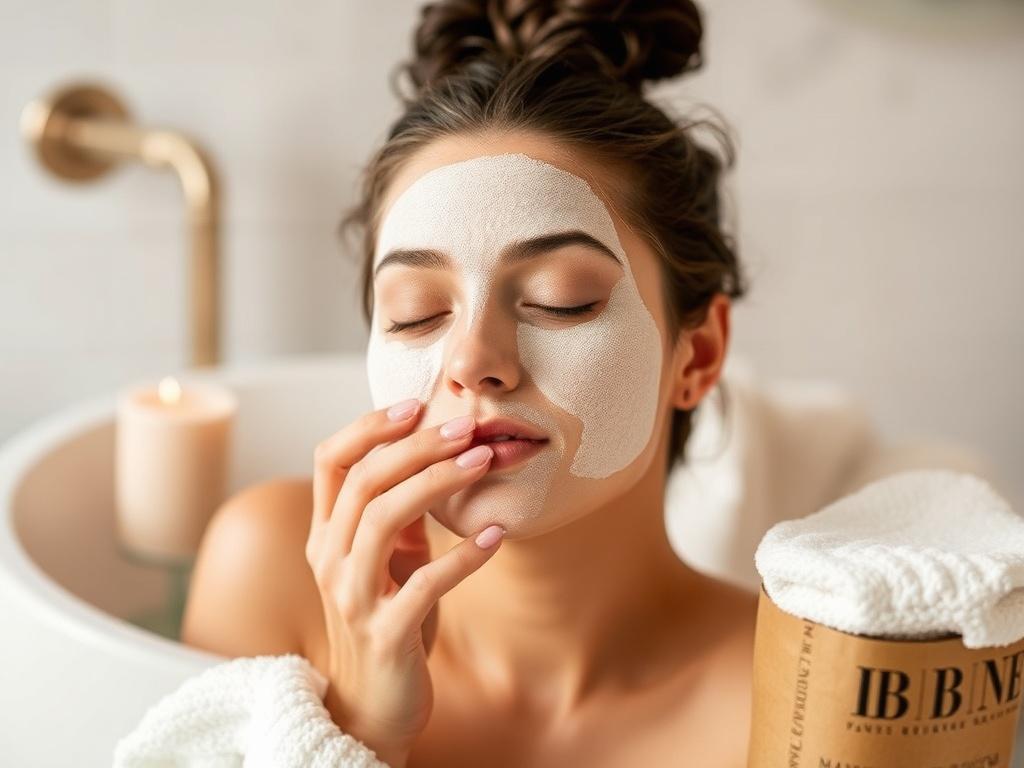
The following ritual blends elements of hammam, banya and sauna traditions into a balanced sequence you can follow at a public bathhouse or adapt at home. Plan roughly 60–90 minutes.
- Cleanse first: rinse gently or shower to remove surface dirt, sunscreen and makeup.
- Warm-up: spend 5–10 minutes in a warm room or gentle steam to begin opening pores and increasing circulation.
- Heat phase: move to a hotter room or take a short, hot sauna for 8–12 minutes. Breathe slowly, stay hydrated, and leave if you feel dizzy.
- Cool and rest: step out and rest for 5 minutes. Use cool water or a lukewarm shower—don’t shock the system yet.
- Exfoliation: on warm, softened skin, use a gentle physical scrub (kese, loofah, sugar scrub) or an enzymatic mask for 2–5 minutes, focusing on rough areas and avoiding raw or inflamed spots.
- Rinse and steam: afterwards, return to the steam briefly (4–6 minutes) to loosen residual oils and lift debris.
- Cold exposure: cool down in a cold plunge, brisk shower or fresh air. Cool water helps close pores and reduce inflammation; 30–60 seconds is ample.
- Soothing treatment: apply a hydrating mask or oil-based essence—rosehip oil, squalane, or a sheet mask—while lying down for 10–15 minutes to allow absorption.
- Moisturize and protect: finish with a barrier-repair moisturizer containing ceramides, glycerin or hyaluronic acid; at home, follow with SPF if you’ll be outdoors.
Why this order?
Start clean so scrubs remove dead skin rather than grime. Heat softens skin and aids active ingredients, but excessive heat after exfoliation can irritate. The brief cold steps reduce heat-induced inflammation and temporarily firm tissue, improving the look of pores and tone. Finally, nourishing oils and barrier repair seal in moisture and restore the skin’s defenses.
Practical recipes: scrubs, masks and infusions
Simple, natural formulas can complement bathhouse rituals. Use them mindfully—avoid ingredients that sting or cause allergic reactions.
Gentle sugar-body scrub (for body)
- 1 cup fine sugar
- 1/2 cup fractionated coconut oil or sweet almond oil
- 10 drops lavender essential oil (optional)
Mix until spreadable. Use on warm, damp skin with light pressure. Rinse and pat dry. Sugar dissolves quickly and is less aggressive than salt.
Enzymatic face mask (pineapple or papaya-based)
- 2 tablespoons ripe papaya puree or pineapple mash
- 1 teaspoon plain yogurt (optional, for extra hydration)
Apply for 3–8 minutes on clean, warm skin. Enzymes help dissolve dead skin cells without abrasion—good for sensitive or rosacea-prone skin. Avoid if your skin is broken or unusually reactive.
Herbal steam infusion
- 2 cups boiling water
- 1 teaspoon dried chamomile or rosemary, or a handful of fresh mint
Pour into a bowl, drape a towel over your head and lean 12–18 inches above the bowl. Steam for 4–6 minutes, breathing gently. This is a focused way to open pores before a facial treatment.
Post-bath soothing oil blend
- 1 tablespoon squalane or jojoba oil
- 2 drops rosehip oil
- 1 drop vitamin E oil (optional)
Pat a few drops into damp skin to lock in moisture. Squalane mimics the skin’s own oils and is lightweight; rosehip supplies carotenoids and fatty acids known to support skin repair.
Tools of the trade: what bathhouse items do and when to use them
A few simple tools can make the ritual safer and more effective. Choose quality materials and keep hygiene in mind.
Kese and loofah
Kese mitts (Kerchief) used in hammams provide firm abrasion; they work best on body skin, not the face. Loofahs are gentler and good for daily to weekly exfoliation. Replace or dry thoroughly to avoid microbial growth.
Venik (birch or oak whisk)
Used in banyas, veniks release aromatic oils and stimulate blood flow. The slapping technique should be learned from an experienced attendant to avoid bruising; venik sessions are best for robust skin, not fragile or thin skin with easy bruising.
Clay masks and towels
Clays like kaolin or bentonite draw impurities and slightly absorb surface oils. Warm clay masks applied after heat can feel detoxifying, but they can also strip oils, so follow with emollients. Use soft cotton towels for drying—rough fibers can irritate post-exfoliated skin.
Customizing rituals for your skin type
Not all skin responds the same. Adapting heat, exfoliation intensity, and aftercare to your skin type keeps results positive and avoids harm.
Oily or combination skin
Oily skin often tolerates heat and light exfoliation well, and steam can loosen sebum and make extraction easier (performed gently or by professionals). Use water-based hydrating serums post-bath and light, fast-absorbing moisturizers. Avoid heavy occlusive oils immediately afterward if you’re acne-prone.
Dry or sensitive skin
Limit time in extreme heat. Steam rather than hot dry saunas is friendlier because it adds moisture. Choose gentle enzymatic peels over harsh physical scrubs. Strengthen the barrier after bathing with ceramide-rich creams and avoid alcohol-heavy products.
Mature skin
Mature skin benefits from increased circulation but is often thin and reactive. Keep heat sessions shorter and cooling periods longer. Opt for nourishing oils and repair-focused moisturizers containing peptides or niacinamide. Skip forceful venik or aggressive scrubbing.
How often: balancing benefits and risk
Frequency depends on the intensity of the ritual and your skin’s tolerance. A gentle steam and light scrub can be done once weekly; intense banya sessions with venik might be limited to monthly visits for many people. Overdoing heat and exfoliation breaks down the barrier, leading to dryness, redness and susceptibility to environmental damage.
| Ritual intensity | Suggested frequency | Notes |
|---|---|---|
| Light steam + gentle exfoliation | 1× week | Good for maintenance, safe for most skin types |
| Moderate sauna/hammam sequence | 2–4× month | Balances relaxation and skin renewal; monitor hydration |
| Intense banya with venik | 1× month or less | For robust skin and experienced participants |
| Mineral hot spring session | 1–2× month | Mineral content varies—some individuals find relief, others irritation |
Safety, contraindications and common mistakes
Bathhouse rituals are generally safe for healthy people but carry specific risks. Read this section carefully to avoid pitfalls.
Dehydration and overheating
Sweating without replacing fluids can lead to lightheadedness, headaches or worse. Drink water before and after sessions, and limit continuous time in high heat. If you feel dizzy, leave immediately and cool down gradually.
Skin barrier damage
Aggressive scrubbing combined with frequent heat exposure strips lipids and proteins from the skin surface. Signs include stinging, tightness, persistent redness or increased transepidermal water loss. If this occurs, pause exfoliation and emphasize barrier-repair products with ceramides, fatty acids and cholesterol.
Infections and hygiene
Public bathhouses can harbor microbes if hygiene is poor. Avoid sharing tools, sit on towels, and refrain from bathing if you have open wounds, contagious skin conditions or active acne breakouts that could spread. Choose reputable bathhouses with visible cleaning protocols.
Medical conditions
People with cardiovascular disease, uncontrolled hypertension, pregnancy or certain neurological conditions should consult a clinician before prolonged heat exposure. Cold plunges and venik treatments can transiently affect heart rate and blood pressure.
At-home adaptations: creating a ritual without a facility
You don’t need a public bathhouse to enjoy many benefits. Here are ways to replicate core elements at home safely.
Steam treatment
- Use a bowl of hot water with herbs or essential oils and a towel tent for a 4–6 minute facial steam.
- Use a humidifier in the bathroom during a hot shower to create a gentle steam room effect.
Mild heat and cold cycles
- Alternate 5–10 minute hot showers with a 30–60 second cool rinse.
- Cold compresses or brief cold-water splashes give some of the vasoconstriction benefits of a cold plunge without the risk.
Exfoliation and venik alternatives
- A soft terrycloth glove or a konjac sponge makes a gentle at-home scrub equivalent to a professional kese.
- For the circulatory stimulation of a venik, try self-massage with light percussion (tapping) or a quick dry-brushing session prior to showering. Keep pressure light and avoid broken skin.
Post-bathhouse skincare: lock in the benefits
How you care for your skin after a bathhouse ritual determines whether the session leaves your skin supple or stripped. Follow these steps for effective recovery and lasting glow.
- Rinse with cool or lukewarm water to remove residues and reduce heat-related inflammation.
- Pat skin dry—don’t rub, especially after exfoliation.
- Apply a hydrating serum with humectants like glycerin or hyaluronic acid to damp skin to draw moisture into the outer layers.
- Follow with an emollient or oil to smooth and some occlusive ingredient (e.g., petrolatum-free balm or plant-based butter) if your skin tends to lose moisture quickly.
- If outdoors, apply sunscreen with broad-spectrum SPF 30+; heat and steam can make skin temporarily more photosensitive.
What to avoid: common myths and misleading trends
Not everything promoted in spa culture is helpful. Recognize hype and protect your skin.
Myth: Steam “opens” pores
Pores don’t have muscles; they don’t open and close like doors. Steam does soften the lipid matrix around the follicle and loosen debris, making extraction easier. But steam alone doesn’t make pores smaller permanently—their apparent size depends on sebum, elasticity of surrounding tissue and debris within.
Myth: Hotter is better
Extreme heat increases stress on skin and circulatory systems. Modest, controlled heat with cooling phases is safer and more beneficial long-term.
Risky trend: daily aggressive scrubbing
Daily physical exfoliation is too abrasive for most people and accelerates barrier breakdown. Reserve mechanical scrubs for weekly or less frequent use, and prefer gentler enzyme or chemical exfoliants for more regular renewal—only if your skin tolerates them.
Cultural respect and etiquette in bathhouses
Bathhouses are social spaces with traditions and etiquette. Respect practices and follow posted rules to avoid awkwardness and maintain hygiene.
- Shower thoroughly before entering communal baths.
- Wear provided towels or appropriate swimwear where required.
- Keep noise low and avoid intrusive photography.
- Ask before receiving services like scrubs or venik if attendants are involved; tipping customs vary by region.
When to seek professional help
If you notice persistent redness, swelling, pain, new lesions, or infections after a bathhouse visit, consult a dermatologist. If you have chronic skin conditions like eczema, psoriasis, severe rosacea or active dermatitis, get tailored advice—some therapies can amplify benefits while others may provoke flare-ups.
Working with aestheticians and spa therapists
When trying a new treatment like a hammam scrub or venik for the first time, choose experienced professionals who can adapt pressure and technique to your skin. A short consultation beforehand allows the attendant to avoid areas of concern and choose appropriate products.
Long-term strategies for youthful skin beyond the steam room
Bathhouse rituals are one powerful tool among many. Consistency in basic skin health practices compounds over time.
- Daily sunscreen to protect against UV-driven aging.
- Balanced nutrition rich in antioxidant foods and omega-3 fatty acids to support skin repair.
- Regular exercise and sleep to optimize circulation and hormonal balance.
- Appropriate topical actives—retinoids, vitamin C, niacinamide—used with care and professional guidance, can improve texture and tone more profoundly than occasional spa rituals alone.
Think of bathhouse rituals as a restorative polish on top of a foundation of consistent care. They enhance circulation, provide relaxation and enable targeted exfoliation, but the day-to-day habits determine the underlying health of your skin.
Checklist for your next bathhouse visit
Use this checklist to prepare, so you get the most from your session while minimizing risk.
- Drink a glass of water before you go and bring a water bottle.
- Pack a clean towel, a soft scrub mitt (if private use allowed), and a gentle cleanser.
- Bring a nourishing facial oil or moisturizer for post-session hydration.
- Know your limits: plan short heat exposures and rest between cycles.
- Confirm hygiene standards at public facilities and avoid shared exfoliating tools if cleanliness is uncertain.
Frequently asked questions
Will sauna or steam remove wrinkles?
Heat can temporarily plump skin via increased blood flow and improved hydration, which may soften the appearance of fine lines, but it doesn’t erase deep wrinkles. Long-term wrinkle prevention depends on UV protection, collagen-supporting skincare, and lifestyle factors; bathhouse sessions are complementary.
Is it safe to exfoliate the face at the hammam?
Facial skin is thinner than body skin. Traditional hammam kese is usually too harsh for the face. If you want a facial scrub at a hammam, ask for a gentle technique or use enzymatic masks specifically formulated for facial skin.
How should acne-prone skin approach bathhouse rituals?
Moderate steam can help loosen sebum and make gentle extraction easier, but aggressive scrubbing and heavy oils can irritate and clog pores. Choose non-comedogenic, water-based hydrators and consult a dermatologist about combining spa treatments with acne medications.
Case studies and anecdotal observations
Across many cultures people report improved skin texture and mood after regular bathing rituals. Research supports some of these anecdotes: regular sauna use correlates with improved cardiovascular and inflammatory markers, and sauna bathing is associated with reduced risk of certain chronic diseases in longitudinal studies from Finland. Anecdotally, patrons of hammams and banyas often describe long-term improvements in skin smoothness and tone, likely due to reduced chronic stress, improved circulation and the occasional deeper exfoliation maintained at safe intervals.
However, evidence is mixed regarding mineral baths and specific topical benefits; individual responses depend on skin biology and the mineral composition of the water. Always observe how your skin reacts and adjust frequency and intensity accordingly.
Resources and further reading
If you want to deepen your knowledge, look for peer-reviewed studies on sauna bathing, hydrotherapy and cutaneous responses to heat, as well as dermatology sources on barrier function and hydration. Practical spa manuals and ethnographic accounts of hammam and banya traditions provide cultural context and technique specifics.
Conclusion
Bathhouse rituals are a blend of pleasure and purpose: they soothe the nervous system, increase circulation, and create conditions that make safe exfoliation and deep hydration more effective. When performed intelligently—short, controlled heat exposures; gentle or enzymatic exfoliation; prompt rehydration and barrier repair—they can be a beautiful part of a skin-care routine that supports a youthful appearance. Pay attention to your skin type, respect limits, choose clean facilities or sanitary at-home adaptations, and pair these rituals with everyday protection like sunscreen and nourishing topical care to sustain results over the long term.

