
Bathing Traditions of Different Peoples of the World
Bathing is more than a daily chore. It can be a ritual, a social event, a form of medicine, or a way to mark transitions in life. Across continents and centuries, people have found creative, sometimes surprising, uses for water and heat. In this article we’ll travel from steaming cedar barrels in Japan to communal hammams in Morocco, from ritual washings on riverbanks in India to the bracing cold dips of Nordic countries. I want to take you on a sensory tour—what these practices feel like, why they developed, and how they persist or adapt today. No dry textbook lecture here: think of it as an armchair trip into the world’s baths.
Why Humans Bathe: Beyond Cleanliness
At first glance, bathing solves a practical problem: remove dirt, sweat and germs. But the story doesn’t stop there. In many cultures bathing is woven into social order, religion, medicine and aesthetics. Bathhouses have been places where news is passed, alliances are formed and stories told. Ritual purification marks life stages—births, weddings, funerals—or prepares a person to meet the divine. Thermal waters were framed as remedies long before germ theory; they were touted as cures for everything from arthritis to melancholy. And sometimes baths are simply a daily pleasure, a pause from the rush, a quiet time to reflect.
Public Baths: From Roman Thermae to Modern Spas
The Roman thermae are often shorthand for ancient public bathing, but they represent just one model. Roman complexes were civic centers: libraries, gyms, gardens and baths all in the same building. Entrance wasn’t just hygiene; it was civic participation. After the fall of Rome, public bathing waxed and waned. Medieval Europe saw a reduction in such institutions, while Islamic cultures preserved and enhanced the public bath tradition through the hammam. In East Asia, communal soaking houses evolved along different architectural and cultural lines, emphasizing modesty rules and seasonal rituals.
What a Classical Bath Meant
In Rome and Byzantium, bathing had a ritualized sequence: warm room to acclimatize, hot room to open pores, cold plunge to revitalize. The architecture supported this choreography: caldarium (hot), tepidarium (warm), frigidarium (cold). Stone, marble and underfloor heating systems (hypocausts) reflected engineering ingenuity. Similarly elaborate sequencing appears elsewhere—think of escorted steam sessions in Turkish hammams or alternating hot and cold in Russian banyas—showing a shared human interest in temperature play and contrast therapy.
Japan: Baths as Daily Sanctuary
Japan’s approach to bathing blends simplicity with ceremony. The sento (public baths) and onsen (natural hot springs) serve many functions: relaxation, socializing, and geothermally sourced therapy. A Japanese bath isn’t about soaping up in the tub; washing is done before entering the shared water. This way the communal bath stays clean, and the soak becomes a quiet, meditative experience. Gender separation, etiquette and a slow, deliberate pace make these places calming. For centuries, bathing in Japan has been a daily ritual that honors rhythm and respect.
Onsen and Their Local Flavors
Japan’s volcanic geography produces onsen with distinct mineral compositions—sulfuric, iron-rich, alkaline—each reputed to benefit different ailments. Towns grew around these springs; ryokan (inns) offer baths framed by seasonal landscape views. The Japanese concept of uchi-soto (inside-outside) is palpable here: remove outside life, step into a contained private world where the body and mind are reset. That sense of domestic ritual makes Japanese bathing feel intimate and precise.
Finland and the Sauna Culture
Wherever cold winters bite, people invent ways to warm themselves. In Finland, the sauna is more than a room that gets hot; it’s a cultural cornerstone. Typically a wooden room heated by a stove and rocks, the sauna invites cycles of sweating and cooling—often including a dash into snow or a quick swim in a lake. Finns use saunas for cleansing, but also for conversation and contemplation. Births and funerals have been held in saunas in rural traditions, underlining their role in life’s milestones.
Sauna Etiquette and Variations
In Finland, sauna norms vary by setting. Family saunas emphasize silence, while urban saunas might be more chatty. Umbrellas of steam are sometimes whipped with birch twigs (vihta or vasta) to stimulate circulation. Public saunas often segregate by gender, though mixed sessions exist. The emphasis is on respect for silence and restoration, turning heat into a social equalizer—rich and poor, old and young, can stand side by side in a dim, warm room.
Turkey: The Hammam—Architecture of Steam
The Ottoman hammam inherits Roman bathing logic but adapts it to local rituals and Islamic customs. These marble-clad spaces feature a central heated slab (göbek taşı) for scrubbing and massage, with a high dome that lets steam circulate. Hammams became social institutions, especially for women: places for pre-wedding bathing, gossip, and communal support. The ritualistic scrubbing—performed by an attendant—leaves the skin glowing, and the experience is simultaneously social and private in a community setting.
Hammam Rituals and Urban Life
Hammams offered more than steam; they were places to mark rites of passage. Brides would undergo ritual cleansings before marrying, and newborns’ baths tied the child into social lineage. In modern Turkey and across the former Ottoman territories, hammams persist as tourist draws and neighborhood anchors, often updated with modern hygiene yet preserving the cadence of steam, soap and chat.
Russia: The Banya and Its Birches
The Russian banya shares the Scandinavian love of heat but forms its own identity. Here, repeated cycles of hot steam and cold plunges are often accompanied by venik—a bundle of birch twigs used to lightly beat the body. This seems odd to outsiders, but it stimulates blood flow and releases an aromatic freshness. Banya sessions are social gatherings where conversation flows as freely as the steam. Russians extol banyas for therapeutic and social virtues alike.
Health Beliefs and Social Roles
Banyas were touted as cures for respiratory problems and skin issues, and gatherings were used to bond kin and neighbors. In rural areas, a family banya could be a small wooden house with a stove; in cities, public banyas provide the communal heat. The practice reflects a cultural metaphor: enduring intense heat together becomes a shared resilience, a way to face life’s hardships side by side.
India: Rivers, Rituals and Water as Purity
Water’s role in Indian bathing is deeply entangled with religion. Ritual ablutions (snana) are fundamental in Hindu life: bathing in the Ganges, Yamuna or other sacred rivers is believed to wash away sins and grant spiritual benefits. Pilgrimages to riverine sites often culminate in group dips. Beyond the sacred, Indian households perform daily washings that link to hygiene and tradition. The act of bathing here could be private, public, religious or practical—often all at once.
Festival Baths and Pilgrimages
Events like the Kumbh Mela gather millions to bathe in a single river at auspicious times, a logistical and spiritual spectacle. These gatherings illustrate how bathing can scale from individual ritual to massive social phenomenon. Local temple pools and stepwells (baolis) historically added architectural flair to communal water access, combining utility and ceremony in stone.
Middle East and North Africa: Hammams, Wudu, and More
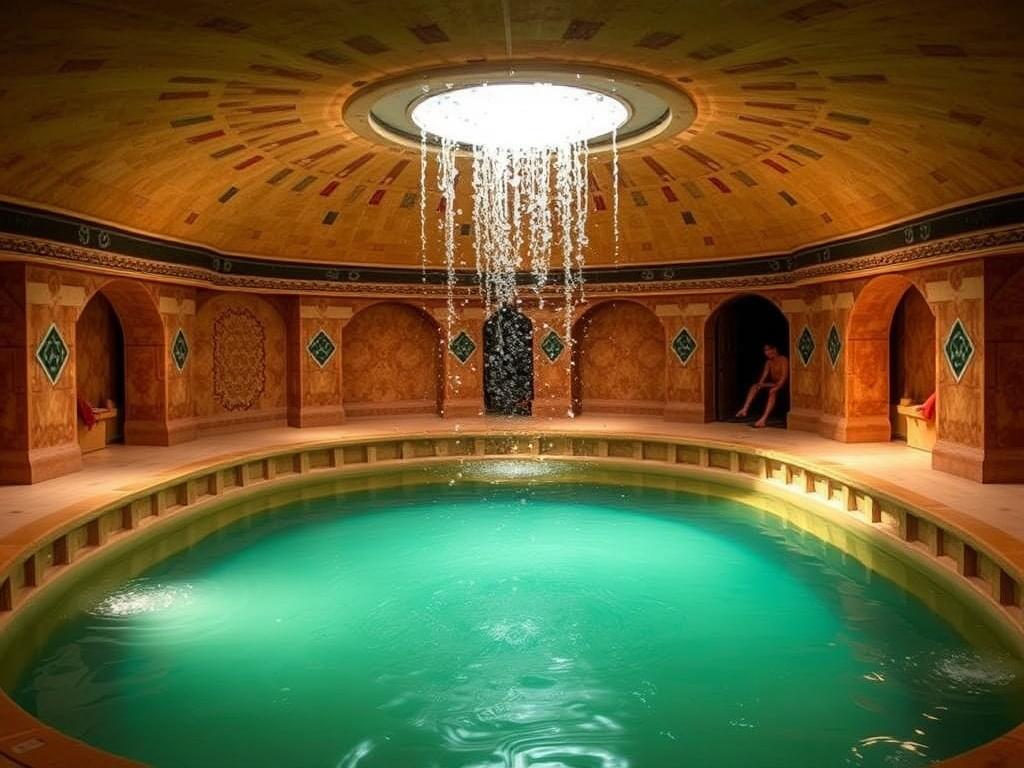
While the hammam covers public bathing, Islamic practices also include wudu—the ritual washing before prayer. Wudu’s structured sequence of face, hands, and feet washing integrates cleanliness into daily worship, underlining water’s spiritual role. In North Africa, variations of the hammam incorporate local customs: women-only times, postpartum bathing rituals, and unique soap blends like black soap (savon noir) derived from olive or argan oils.
Hygiene, Gender and Community
These traditions reveal how bathing intersects with gender roles: many societies create women-only spaces within public baths to foster social networks and provide privacy. Hammams became places for women to gather, share knowledge, and prepare for weddings—important functions in communities where private domestic space is limited.
Sub-Saharan Africa: Water Scarcity, Innovation and Ritual
Across Africa, bathing practices are shaped by environment. In regions with abundant water, communal bathing or ritual river cleansings occur. Where water is scarce, people prioritize essential washing and adapt with dry-cleaning methods, cleansing cloths or sand baths. Many cultures maintain ritual ablutions connected to rites of passage, mourning or healing. The variation is a reminder: bathing practices adapt to resources and cosmologies, finding meaning even under scarcity.
Traditional Healers and Baths
In some communities, traditional healers use herbal infusions and steam to treat ailments, combining plant knowledge with thermal therapy. African baths can blend practical hygiene, spiritual cleansing, and medicinal ingredients—turning a simple soak into a holistic intervention that addresses body, mind and community ties.
Indigenous Americas: Sweat Lodges and River Rituals
Many indigenous peoples of the Americas practiced sweat lodge ceremonies long before European contact. Constructed from bent poles and covered with earth or hides, sweat lodges create an enclosed steam environment where participants undergo purification, prayer and vision-seeking. Water is poured over heated stones to create steam, a process that anchors spiritual work in embodied heat. Similarly, rivers and lakes hold ritual importance; group dips and offerings tie individuals to place and ancestry.
Sweat Lodge Etiquette and Purpose
Sweat ceremonies are not casual spa sessions; they are sacred practices led by knowledgeable elders. The structure—song, prayer, rounds of steam—supports spiritual work, healing, and community cohesion. Outsiders are often advised to approach such ceremonies with humility and guided invitation, respecting cultural protocols.
Latin America: Hot Springs, Ritual Baths and Fiesta Baths
Across Latin America, natural hot springs attract communities and tourists alike. Indigenous and colonial histories blend in rituals that combine Catholic and indigenous practices: blessing of waters, pilgrimages to thermal springs, and baths used in postpartum recovery. Communal baths and river dips can be linked to festivals, showing how bathing sometimes becomes part of celebratory life rather than mere hygiene.
Curanderos and Water Therapies
Curanderos—traditional healers in Latin America—often use water as a medium for cleansings (limpias), incorporating herbs and prayer. These practices highlight a worldwide pattern: water becomes a conduit for both physical purification and symbolic renewal.
Europe: From Medieval to Modern Spa Towns
Europe’s bathing history ranges from medieval skepticism to the 18th- and 19th-century spa boom, when towns like Bath, Baden-Baden, and Vichy marketed thermal waters as health resorts. These spa towns combined indulgence with the era’s medical beliefs—prescriptions of mineral waters for various ailments. Even today, spa towns offer a combination of relaxation, medical treatments and tourism. Meanwhile, the everyday shower gradually supplanted the parlour bath, reflecting technological and cultural shifts.
Health Tourism and the Spa Economy
Spas turned into industries, complete with hotels, promenades and social calendars. Wealthy visitors pursued cures and social display alike, making bathing an act of leisure and status. That economic dimension persists: modern wellness tourism capitalizes on the same ingredients—water, hospitality and therapeutic narratives.
Bathing and Religion: Purity, Preparation and Symbolism
Religious traditions often place water at the center of rites. Baptism in Christianity uses immersion or sprinkling as a sign of rebirth. Jewish mikveh involves full-body immersion for ritual purity. Islamic wudu and ghusl specify sequences for prayer readiness and recovery from ritual impurity. These practices make clear that bathing is not merely corporeal but ontological: water stands for transition, forgiveness, and readiness to meet the sacred.
Comparative Rituals
Looking across faiths, patterns emerge. Many use immersion, prescribe specific sequences, or link bathing to moral states. Yet the details—who must bathe, when, and how—are shaped by theology, climate, and local habit. Understanding these differences illuminates how the human impulse to cleanse intertwines with meaning-making.
Social and Gendered Dimensions of Bathing
Who bathes with whom? That question reveals social order. In some cultures, mixed bathing is normal; in others, segregation preserves privacy and modesty. Public baths can democratize social spaces or reinforce hierarchies, depending on access and norms. Women’s baths have historically provided rare public spaces for female sociability and agency. Bathing rituals around childbirth, adolescence and marriage often place women at the center of communal care and knowledge transmission.
Bathing as Social Mirror
Bathing practices reflect social values: openness or reserve, communal bonding or individual privacy, therapeutic care or leisure. When you step into a communal bath, you’re entering a complex web of etiquette and meaning. That social coding is as important as the water itself.
Health, Science and Bathing Practices
Modern science has both validated and questioned traditional beliefs. Hot and cold-water therapies can affect circulation, muscle relaxation, and mental well-being. Steam rooms may ease respiratory symptoms; cold immersion can have anti-inflammatory benefits when used cautiously. But some traditional claims—miraculous cures for chronic disease—lack rigorous backing. Hygienic practices have improved: many historic public baths had sanitation issues that modern systems address. Today’s challenge is to integrate beneficial traditions with evidence-based safety.
Psychological Benefits
Beyond physical effects, bathing offers psychological rewards: stress reduction, improved sleep, and a ritualized break from digital overload. Even a short, intentional bath can alter mood. That explains why so many cultures embed bathing into daily life: it’s effective, accessible and rhythmically restorative.
Architecture and Design of Bath Spaces
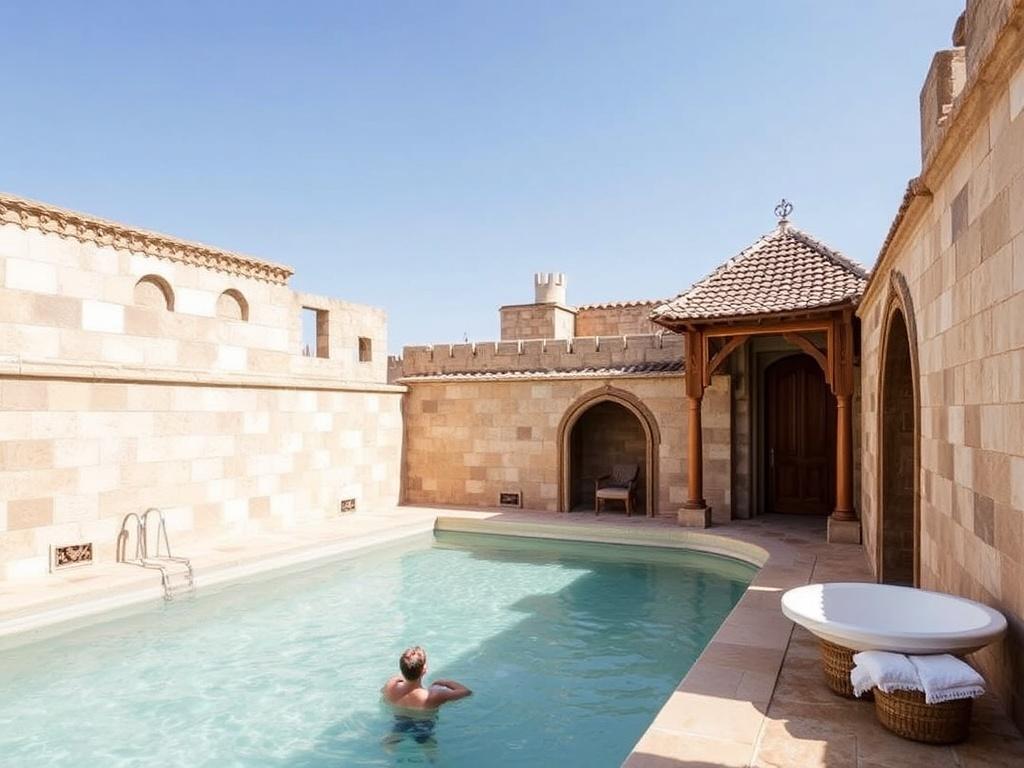
Bathhouses respond to climate, materials and social needs. Stone and marble dominate in Mediterranean baths; wood is central to Finnish saunas; domes and tiled interiors define hammams. Design choices—lighting, acoustics, temperature gradients—shape experience. Architects of modern spas borrow from these traditions while introducing accessibility, environmental controls and contemporary aesthetics. The result is a global vocabulary of bath architecture that borrows and adapts with local flair.
Sensory Design
Design considers more than function: scent, texture and sound matter. The whoosh of steam, the clack of birch twigs, the echo in a domed hall—these shape memory and feeling. Good bath design orchestrates a sequence: approach, undress, wash, soak, cool down. That choreography is what turns a room of hot stones into a meaningful ritual space.
Etiquette: What to Know Before You Soak
Etiquette varies dramatically from one tradition to another, and ignorance can be awkward. Here are some common norms and helpful rules of thumb to make you a courteous visitor.
- Always wash before entering communal pools or baths where the water is shared.
- Check for gender-specific times or spaces; respect local privacy rules.
- Observe clothing rules—some baths require nudity, others bathing suits.
- Keep conversation quiet in places that emphasize silence or meditation.
- Follow local customs for tipping attendants or paying for scrubs and massages.
- Use provided soaps and avoid bringing fragranced products that might irritate others.
Table: Comparison of Selected Bathing Traditions
| Region/Tradition | Key Features | Typical Setting | Social Role |
|---|---|---|---|
| Japan (Onsen/Sento) | Pre-wash before soak, mineral-rich springs, quiet | Natural springs, public baths, ryokan | Meditation, community, relaxation |
| Finland (Sauna) | Dry/wet heat, alternating cold dips, wooden rooms | Wooden houses, lakeside cabins, public saunas | Social bonding, health, lifecycle events |
| Turkey (Hammam) | Steamy domes, scrubbing rituals, marble slabs | Public bathhouses, spa hotels | Ritual, social gathering, pre-wedding rites |
| Russia (Banya) | Steam sessions, venik massage, alternating temperatures | Private bathhouses, public banyas | Therapy, community, tradition |
| India (Ritual Ablutions) | River dips, temple tanks, pilgrimage baths | Rivers, ghats, sacred tanks | Religious purification, festivals |
Modern Trends: Wellness, Technology and Sustainability
The 21st century has seen a wellness boom that repackages many traditional bathing elements—steam, cold immersion, mineral therapy—into boutique experiences. Technology adds control: precise thermostats, filtered water systems and immersive light-sound treatments. Sustainability enters the picture too: low-water designs, heat-recovery systems, and locally sourced materials reduce environmental impact. Some modern spas aim to be culturally sensitive, acknowledging traditions they borrow from rather than appropriating them. The challenge is balancing authenticity, commercial demand and ecological responsibility.
Ethical Considerations
With cultural practices becoming marketable experiences, ethics matter. Good operators collaborate with local communities, respect ceremonial boundaries, and avoid commodifying sacred rites. When a bath tradition is rooted in religion or identity, commercialization without consent risks erosion of meaning. Thoughtful stewardship keeps traditions living and meaningful rather than turning them into hollow spectacles.
Practical Guide: What to Bring and What to Expect
If you’re planning to visit a bath tradition unfamiliar to you, a little preparation goes a long way. Here’s a compact checklist to keep you comfortable and respectful.
- Towel(s): some places provide them; others expect you to bring your own.
- Appropriate attire: check whether swimsuits are allowed or nudity is required.
- Hygiene supplies: non-scented soap, shampoo, and a small kit in case amenities are sparse.
- Cash: for entry fees, tips, or additional services like scrubs and massages.
- Open mind: customs may differ widely; observe and follow local rules.
Stories from the Water: Personal Encounters and Anecdotes
People often remember baths as places of transformation. A traveler might recall the hush of a Japanese onsen at dawn, steam rising like breath over a silent valley. Another might remember the banter in a Finnish sauna that made an intimidating language feel warm and human. A Moroccan hammam can be a rite of passage, a young bride’s last day as a maiden surrounded by women’s songs and laughter. These moments matter because bathing privileges a slowing down, a human-scale break where conversation and reflection mix with the physical sensations of heat, salt, steam and cool water.
Revival of Traditional Baths in Urban Settings
Cities worldwide are reviving or reinventing communal bathing. New urban spas often draw inspiration from historical models, offering saunas, hammams and mineral pools in renovated industrial spaces. These venues address a modern need: communal, unhurried environments where people can disconnect. They also raise practical questions about accessibility and equity—who benefits from these spaces in a city, and how might they be made welcoming beyond elite clientele?
Community Programs and Inclusivity
Some initiatives use baths for social good: public pools with sliding scales, community saunas with low-cost entry, or mobile bathing services for homeless populations. These projects reclaim public bathing’s old civic role: providing hygiene, dignity and social care. In doing so, they remind us that bathing can be a matter of public health and public compassion, not just private indulgence.
Safety and Accessibility
Baths can be restorative, but some precautions matter. Hot environments stress the cardiovascular system, so people with certain conditions should consult a physician. Slippery surfaces demand attention; good facilities provide non-slip floors and handrails. Accessibility is increasingly prioritized: ramps, transfer benches and staff trained to assist make baths inclusive. Thoughtful design removes physical and social barriers, letting more people access the benefits of bathing practices.
How Climate Shapes Bathing Choices
Climate plays a silent but powerful role. In temperate or cold regions, hot baths and saunas become life-sustaining comforts. In hot, arid climates, baths may shift to evening hours or prioritize cool plunge pools. Water scarcity forces creativity: less water use, dry-clean techniques, or communal scheduling to conserve resources. The interplay of environment and culture underlines how bathing is a human response to place as much as to habit.
Preservation of Traditional Knowledge
Many bathing traditions are orally transmitted—etiquettes, herbal mixes, rhythmic songs. Globalization threatens some of that knowledge while reviving others. Preservation efforts can document practices, support local practitioners, and provide platforms for transmission to younger generations. When done respectfully, documentation helps sustain living traditions rather than fossilize them behind glass.
Bathing in Popular Culture and Media
From film scenes set in hot springs to novels that hinge on bathhouse secrets, bathing carries strong symbolic weight in art. Filmmakers use baths to show intimacy or transformation; writers use them as liminal spaces where characters change. Advertising, too, borrows bath imagery to sell wellness, often simplifying complex rituals into tidy marketing messages—which can both popularize and dilute traditions.
Practical Takeaways for the Curious Traveler
Want to try a bath tradition on your travels? Start with curiosity and humility. Research local rules, book with reputable operators, and be ready to follow local etiquette. Take time to savor the rhythm—the rinse, the heat, the cool. Ask questions when invited, and understand that some rituals are sacred and not open to casual tourists. Done right, a single bathing experience can deepen your understanding of a place and its people.
Conclusion
Bathing traditions are windows into how societies balance body and spirit, community and solitude, utility and ceremony. Across the world, water—and the ways we heat, shape, and share it—reveals priorities: health, hospitality, purification, and pleasure. Whether you find meaning in the hush of an onsen, the rhythmic heat of a sauna, the steamy camaraderie of a hammam, or the solemn dip of a river rite, the act of bathing connects us to place, history and one another. These practices are alive, evolving with technology and tourism, yet anchored in human needs as old as civilization itself.

