
DIY Face and Body Masks for the Bathhouse: Simple, Powerful Recipes and Rituals
There’s something elemental about taking a moment in a steam-filled room and letting warm air lift tension from your bones. The bathhouse is more than a place to cleanse; it’s a laboratory for self-care. When you bring homemade masks into that space, you turn a wash into a ritual: aromas rise, skin softens, muscles loosen, and common pantry staples work like gentle craftsmen. This article walks you through safe, effective DIY face and body masks tailored for the steam and heat of the bathhouse, including recipes, how-to steps, ingredient swaps, and precautions. Think of it as a map for making the most of your next soak.
Why Make Masks for the Bathhouse?
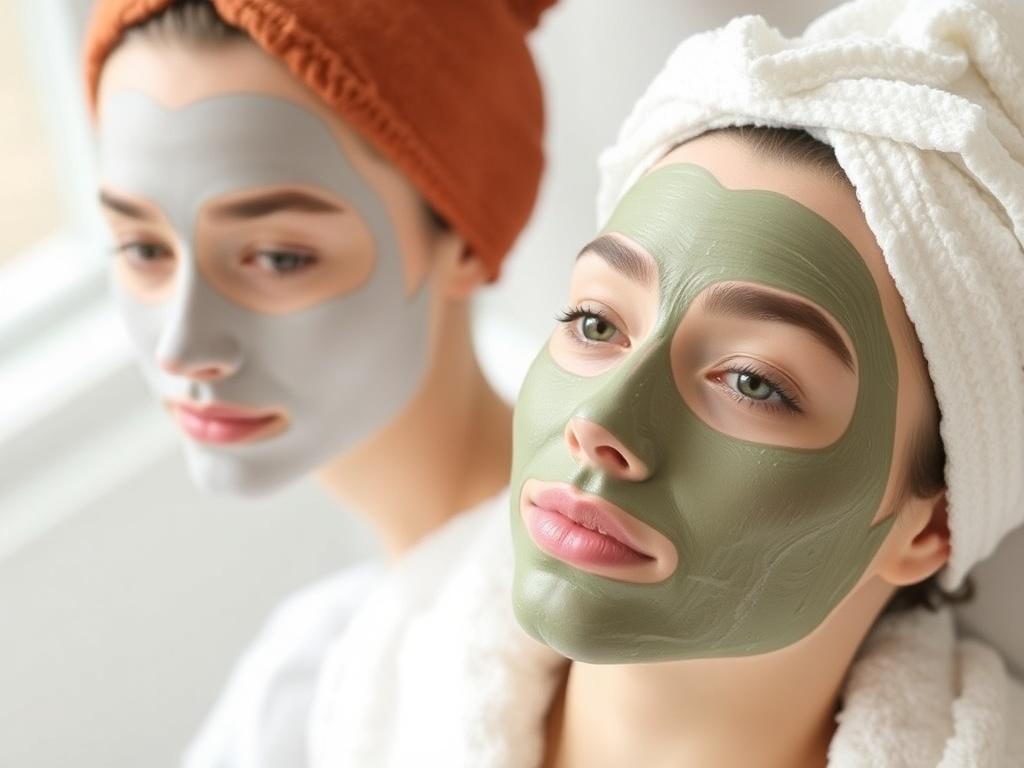
Commercial masks can be fantastic, but crafting your own allows you to match ingredients to the immediate needs of your skin and the specific environment of the bathhouse. High heat and humidity open pores and increase circulation, so active botanicals and clay work faster. You can use fresher ingredients, avoid unwanted preservatives, and scale recipes for face or full-body use. Home blends also let you control scent intensity—especially helpful in a shared steam room where heavy perfumes can be overwhelming.
How Heat and Steam Affect Mask Performance
Heat dilates blood vessels and enhances circulation, which increases nutrient delivery to skin. Steam temporarily raises skin temperature, softening sebum and opening follicles so clays and masks can draw impurities more effectively. Humidity slows mask drying (good for sensitive formulations that can become tight), but also means active ingredients have more time to interact with skin. In short: masks applied in or just before a steam session often perform faster and deeper than masks used at room temperature.
Safety Basics Before You Mix
A quick patch test on the inside of your wrist can prevent an unpleasant reaction—especially when trying potent botanicals or essential oils. Avoid applying masks over broken skin, open wounds, or active sunburn. Pregnant or nursing people should consult a healthcare provider about essential oils and certain herbal concentrates. Always dilute essential oils properly: generally no more than 0.5–1% for face blends used in hot, steamed environments, and up to 2% at most for body masks. Remember: heat increases absorption, so use lower concentrations in the bathhouse than you might at home.
Essential Tools and Supplies
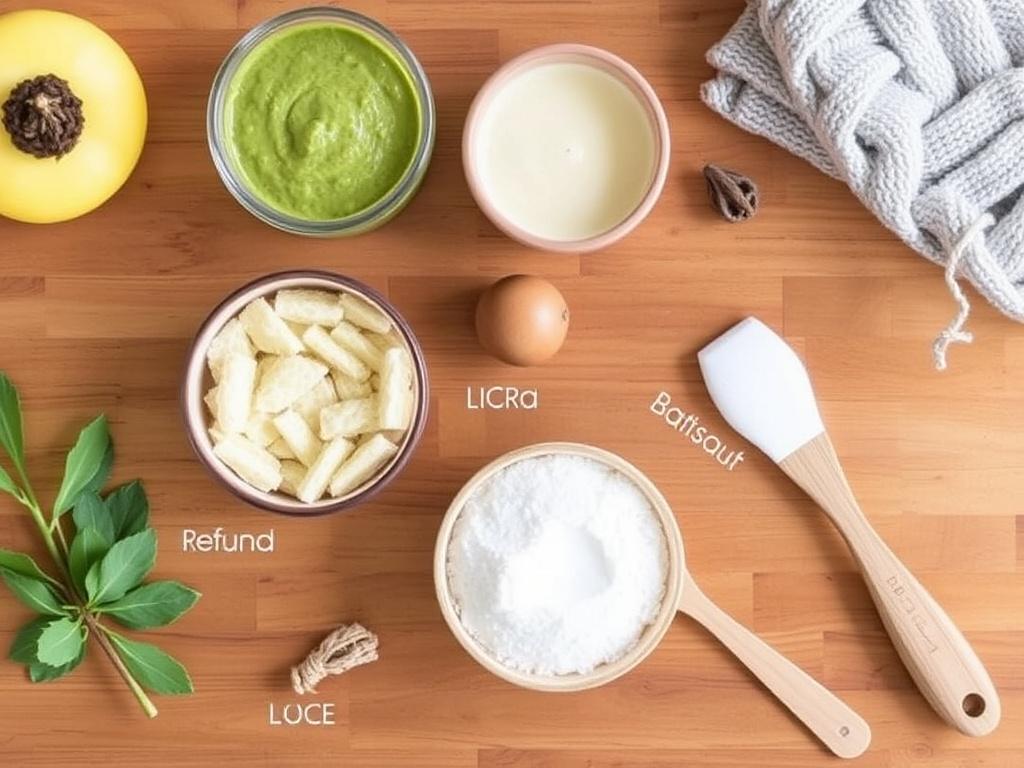
You don’t need a professional kit. A few simple items transform your pantry into a spa:
- Mixing bowls (glass or ceramic recommended)
- Wooden or silicone spatulas
- Measuring spoons and a small scale
- Cotton cloths for compresses and clean-up
- Plastic wrap or reusable shower wrap for body masks (keeps heat in)
- Squeeze bottles or jars for storage
- Clean brush for facial application (optional)
Common Ingredients and What They Do
Here’s a quick reference for pantry players that do heavy lifting in both face and body masks:
| Ingredient | Primary Benefits | Good For |
|---|---|---|
| Kaolin clay | Gentle absorption, balances oil | Sensitive, dry, combination skin |
| Bentonite clay | Strong detoxifying, pulls impurities | Oily, acne-prone skin (use on body masks carefully) |
| Honey | Humectant, antimicrobial | All skin types (especially dry and acne-prone) |
| Yogurt | Lactic acid exfoliation, soothing | Dull, uneven skin; gentle exfoliation |
| Oats | Soothing, anti-inflammatory | Sensitive, irritated skin |
| Aloe vera | Cooling, hydrating, healing | Sun-exposed, inflamed, dry skin |
| Turmeric | Anti-inflammatory, brightening | Dark spots, dullness (use sparingly) |
| Coffee grounds | Exfoliating, stimulating circulation | Cellulite-targeted body masks, rough patches |
Basic Application Principles
Follow a simple protocol to get consistent results:
- Cleanse first: remove surface dirt and oils so the mask can penetrate.
- Exfoliate lightly if doing a cleansing or brightening treatment—steam makes pores more receptive.
- Apply evenly with a brush or fingers; avoid the eye area unless the recipe is specifically for eyes.
- Time it. In the bathhouse, face masks usually need less time—8 to 12 minutes—because of heat and steam. Body masks can be left on 15–30 minutes.
- Rinse with warm water and finish with a cool splash to close pores. Follow with moisturizer or oil to lock in hydration.
Face Mask Recipes for the Bathhouse
These face recipes are designed to make the most of steam without overwhelming the skin. Adjust the quantities for a single use or mix a small batch for multiple sessions (respect storage guidance below).
1. Gentle Steam Clay Mask (All Skin Types)
This blend uses kaolin clay to draw out impurities without stripping moisture. It’s soft enough for regular use and pairs well with steam.
- 2 tbsp kaolin clay
- 1 tsp honey
- 1–2 tsp rose water or filtered water
- Optional: 1 drop lavender essential oil (diluted into the water)
Mix into a smooth paste, apply a thin layer, relax for 8–10 minutes in steam, then rinse. Honey helps prevent over-drying and the rose water soothes.
2. Brightening Yogurt & Turmeric Mask (Dull Skin)
Lactic acid in yogurt gently exfoliates while turmeric adds anti-inflammatory brightness. Use a light hand with turmeric to avoid staining clothes.
- 1 tbsp plain yogurt
- ½ tsp turmeric powder
- ½ tsp honey or a few drops of lemon juice (optional — lemon increases photosensitivity; rinse thoroughly and avoid sun exposure immediately after)
Apply for 8–10 minutes in steam. Rinse until water runs clear. If you’re worried about tint, mix yogurt with a few drops of milk instead of water for lighter color.
3. Soothing Oat & Aloe Mask (Sensitive Skin)
Oats soothe inflamed skin while aloe moisturizes without greasiness—ideal after a hot steam session to calm redness.
- 1 tbsp finely ground oats (or quick oats ground in a blender)
- 1 tbsp aloe vera gel
- 1 tsp rose water or floral hydrosol
Mix and apply. Leave for 7–10 minutes and gently remove with a damp cloth. This mask can be left on slightly longer if skin tolerates it well.
4. Clay + Charcoal Detox (Oily, Congested Skin)
Activated charcoal and bentonite team up for a deep clean. Use sparingly on the face and avoid sensitive areas.
- 1 tbsp bentonite clay
- ½ tsp activated charcoal powder
- 1 tsp apple cider vinegar or water (vinegar reacts with clay and bubbles slightly)
Apply thinly and remove after 6–8 minutes in steam. Because heat can increase potency, keep to shorter times to avoid irritation.
Body Mask and Wrap Recipes for the Bathhouse
Body masks benefit hugely from the bathhouse’s retained heat. Wraps trap warmth and amplify the effects—great for smoothing skin, easing tired muscles, or adding a detox layer.
1. Coffee & Coconut Oil Scrub Mask (Circulation & Glow)
Scents of roasted coffee and warm coconut smell like an espresso bar and work to buff and stimulate circulation. Coffee is particularly effective when used as a scrub and mask in steam.
- 1 cup fine coffee grounds
- ½ cup coconut oil (melted)
- ½ cup sugar or ground oats (for additional exfoliation)
Massage in circular motions, leave a thin layer for 10–15 minutes with a wrap if desired, then rinse. Use on thighs, arms, and décolletage, avoiding broken skin.
2. Seaweed Wrap (Mineral-Rich Detox)
Seaweed holds minerals and becomes gelatinous when hydrated, making it an excellent wrap that clings to the body and benefits from heat.
- 1–2 cups powdered seaweed (kelp or bladderwrack)
- Warm water to hydrate
- Optional: a few drops of rosemary essential oil for stimulating circulation
Hydrate to a spreadable paste, smooth over the body, wrap with plastic or a warm towel, and sit in a warm room for 20–30 minutes. Rinse thoroughly and follow with moisturizer.
3. Clay & Yogurt Body Mask for Detox (Firming)
This mask combines kaolin for gentle absorption and yogurt for lactic acid smoothing—perfect for rough knees, elbows, or as an overall body polish.
- 1 cup kaolin clay
- ½ cup plain yogurt
- 2–3 tbsp honey or olive oil (if skin is dry)
Apply a generous layer, relax for 15–20 minutes while wrapped with a towel or wrap to retain heat, then rinse off with warm water. Follow with a rich body oil for hydration.
4. Cooling Aloe & Cucumber Wrap (After Heat Exposure)
If the bathhouse left skin red or you want a restorative finish, try this cooling wrap immediately after exiting the hottest zone.
- 1 cup blended cucumber pulp (strain if necessary)
- ½ cup aloe vera gel
- Few drops of chamomile hydrosol (optional)
Spread on the body or targeted areas, leave for 10–15 minutes, and rinse. The temperature contrast from hot steam to cool mask soothes and reduces inflammation.
Targeted Recipes and Variations
Skin changes with the seasons and your routine, so here are variations for common concerns:
For Acne-Prone Areas
- Bentonite clay + a teaspoon of apple cider vinegar + a drop of tea tree oil (keep to short steam times)
- Omit vinegar if you have sensitive skin—use water instead.
For Mature Skin
- Avocado + honey + a splash of olive oil: rich in fatty acids and antioxidants for elasticity
- Use a warm steam to help oils penetrate but avoid overheating
For Rough Knees/Elbows/Feet
- Sugar or coffee grounds + coconut oil as a scrub, followed by a clay or oatmeal mask to soothe
- Pair with a brief steam to soften calluses then file gently
For Cellulite-Prone Areas
- Coffee grounds + bentonite + a small amount of cayenne-infused oil (use caution; cap heat exposure and dilute well)
- Massage in the direction of lymph flow, then wrap briefly to encourage circulation
Timing and Ritual: How to Structure a Bathhouse Mask Session
A thoughtfully ordered ritual makes your mask more than a quick application. Here’s a suggested flow you can adapt:
- Pre-shower cleanse: remove sweat and surface oils.
- Light exfoliation: focus on areas you plan to mask, especially for body treatments.
- First steam session: 5–10 minutes to open pores and warm muscles.
- Apply masks: face masks for 8–12 minutes, body masks for 15–30 minutes.
- Return to steam if desired: one short session helps masks work but don’t overdo it.
- Rinse off in warm water, followed by a cool rinse to close pores.
- Finish with a rich moisturizer or body oil and hydrate (drink water).
Storage, Shelf Life, and Batch Prep
Fresh ingredients limit shelf life. Here are general guidelines:
- Single-use wet masks (yogurt, fresh fruit, cucumber) should be made just before use and discarded afterward.
- Clay powder mixtures can be pre-measured and stored dry in airtight containers for several months.
- Honey-based masks keep longest; if combined with sterile oils, they can last up to a few weeks refrigerated.
- Make small batches for repeated use and label jars with date. If a mix smells off or changes color, throw it out.
Fragrance, Essential Oils, and Sensitivity
Essential oils can elevate the bathhouse experience but they must be treated with respect. Heat amplifies their effects and possible irritation. Safe dilution is key. For facial masks in a hot, humid setting, stick to 0.5–1% dilution. For body masks, 1–2% is the usual upper limit. Avoid phototoxic oils (bergamot, lime, bitter orange) before sun exposure. Lavender, chamomile, and rosemary are generally well-tolerated in small amounts, but always patch test and reduce concentration in shared steam rooms.
Practical Tips for Bathhouse Use
Apply these commonsense tips to keep your ritual effective and considerate of others:
- Use unscented or lightly scented blends in communal steam rooms to avoid bothering others.
- Bring a towel or sheet for sitting to avoid masking benches with product residue.
- Rinse thoroughly in designated shower spaces; avoid leaving masks in communal tubs or pools.
- Use plastic-free wraps when possible—use warm towels instead of single-use plastic sheeting for environmental consideration.
Common Mistakes and How to Avoid Them
Small errors can turn a soothing mask into an irritation. Here are avoidable pitfalls:
- Too much clay or leaving clay to fully dry—clay should feel slightly damp, not chalky; remove it before it pulls at your skin.
- Overusing essential oils in steam—heat increases penetration; use smaller amounts than you might at room temperature.
- Applying acidic ingredients (e.g., lemon) before intense sun exposure—acid plus UV increases photosensitivity and can cause pigmentation.
- Using coarse scrubs on sensitive areas—keep exfoliation gentle where skin is thin.
Eco-Friendly Considerations
If you visit bathhouses often, think about sustainability. Choose biodegradable ingredients, avoid microplastic-laden scrubs, and use reusable containers. Local clays and botanical suppliers cut down on shipping and often yield fresher products. Compost leftover plant matter where possible.
Quick Reference Table: Pick the Right Mask
| Skin/Body Concern | Recommended Ingredients | Recommended Time in Steam |
|---|---|---|
| Sensitive or inflamed | Oats, aloe vera, kaolin | 7–10 minutes (shorter steam, avoid high heat) |
| Oily or congested | Bentonite, activated charcoal, a touch of tea tree | 6–8 minutes (shorter to prevent over-drying) |
| Dry or mature | Avocado, honey, olive oil | 10–15 minutes (benefit from warmth but avoid over-steaming) |
| Cellulite/circulation | Coffee grounds, cayenne-infused oil (diluted), clays | 12–20 minutes with wrap |
| Sore muscles | Seaweed, magnesium-rich salts + warming essential oils (diluted) | 15–30 minutes with wrap |
Questions Often Left Unasked
People wonder whether masks must be all-natural to be effective. Not at all. Laboratory-made actives can be powerful and safe, but homemade masks excel at delivering hydration and gentle exfoliation using friendly ingredients. Another common worry: “Will natural ingredients spoil?” Yes—especially mixes containing yogurt or fresh produce. Use fresh and refrigerate if you’re keeping anything beyond a day. Finally, many ask whether masks interfere with skincare routines. Think of masks as treatments: apply masks in place of or before serums depending on texture—water-based serums after rinsing are usually best for layering.
Recipes for Special Situations
Post-Workout Refresh Mask
If you use the bathhouse after a heavy workout, try this quick, cooling mask that soothes and refreshes without heavy residues:
- 2 tbsp cooled green tea (brewed and chilled)
- 1 tsp aloe vera
- 1 tsp honey or glycerin
Apply for 7–10 minutes to cool skin and reduce inflammation. Everything rinses off easily so you can move on to moisturizing.
Brightening Eye Compress
To target puffiness and dark circles, use chilled cucumber slices or cotton pads soaked in cooled green tea and place them on the eyes for 5–10 minutes after a steam session. Avoid any ingredient that stings—eyes are more sensitive post-steam.
Scalp Treatment for Steam Days
If you want scalp care, mix coconut oil with a few drops of rosemary oil (diluted) and massage gently. Wrap a warm towel over the head and sit in the steam for 10–15 minutes, then shampoo as usual. The steam helps oils penetrate and can soothe dryness.
Final Practical Checklist
Before you head to the bathhouse, pack this checklist so you don’t forget the small things that make a big difference:
- Small jar of pre-measured dry clay or scrub base
- Separate small containers for wet ingredients (yogurt, aloe)
- Towels for seating and wrapping
- Applicator brush for clean application
- Water bottle—hydrate before and after
- Moisturizer or body oil to seal results
When to See a Professional
DIY masks are excellent for maintenance and occasional treatments, but persistent skin issues—severe acne, ongoing rashes, suspected infections, or significant pigmentation changes—warrant a dermatologist’s advice. Also consult a professional before using strong active ingredients like high-concentration AHAs, retinoids, or certain herbal concentrates in a bathhouse setting where heat alters their effects.
Conclusion
Making and using DIY face and body masks in the bathhouse is an invitation to slow down and connect with your senses. With simple ingredients, careful timing, and an eye toward safety, you can amplify the benefits of steam—deep cleansing, improved circulation, soothing warmth—and tailor treatments to what your skin and body need right now. Start with gentle recipes, keep essential oils modest, and treat the bathhouse as a place for respectful practice: rinse thoroughly, leave no mess, and be mindful of fragrance in shared spaces. Above all, enjoy the ritual; it’s one of the easiest ways to make self-care feel like an event rather than a chore.

