
Tea for the Bathhouse: Which Herbal Blends to Choose
Steam and scent together do something small and precise to the human brain: they slow it down a notch and make attention soft around the edges. In a bathhouse, that softening is the point. Choosing the right herbal tea to throw into the hot water—or to rig into a sachet for steaming—changes the room’s character. Some blends lift and clear the sinuses, some melt the shoulders, and others send a subtle, floral calm through the skin. This article walks you through why herbs work in steam, how to prepare them safely and effectively, and which specific blends to bring to your next bathhouse session.
Why herbal tea belongs in the bathhouse
Herbs have two ways of working in a steam-rich environment: volatile compounds evaporate and perfume the air, and warm, moist contact helps plant molecules reach the skin and airways. Steam opens pores, increases circulation in the superficial skin layers, and makes inhalation of aromas more potent. When you add a tea or a bundle of herbs to the heat, you’re creating a multi-sensory ritual that uses smell, warmth, and touch to produce relaxation and a mild physiological response.
This is why traditional bath cultures—from the hammams of North Africa to the saunas of Finland and Russia—have an established relationship with botanicals. It’s not just about scent. Herbs can soothe irritated airways, reduce tension in muscles through warmth and aromatic influence, and deliver tannins or oils that mildly clarify the skin. But effectiveness depends on plant choice, preparation, and timing; not every herb belongs in a hot, humid room.
How steam changes herbal chemistry
Heat and water extract different molecules. A hot infusion will pull out tannins and some water-soluble flavonoids; steam and evaporation carry essential oils and lighter terpenes into the air. That means the same herb can behave differently depending on whether it’s steeped as a tea you sip, simmered as a decoction, or left in a porous sachet where its oils simply perfume the steam.
Consider eucalyptus: steep it in hot water and you’ll get a strong, decongestant aroma almost instantly. Chamomile, by contrast, releases a gentler scent more slowly and delivers skin-soothing flavonoids when in prolonged warm contact. Good bathhouse blends accommodate both types—an immediate lift and a slow, skin-friendly extraction.
Safety first: what to avoid and precautions
Herbs are powerful. A pleasant scent does not equal harmlessness. Some herbs can trigger allergic reactions, raise blood pressure, or interact badly with medications. Pregnant people, small children, and anyone with respiratory conditions like severe asthma should be cautious: concentrated steam with essential oils or strong plant volatiles can provoke bronchospasm or other adverse effects.
Notes to keep in mind:
- Use conservative amounts of potent plants like eucalyptus, rosemary, or thyme; a little goes far.
- Avoid known allergens—if you react to ragweed or certain pollens, be wary of botanicals in the same families (e.g., Asteraceae).
- Pregnancy: skip strong emmenagogues (herbs that may stimulate uterine activity) and consult a healthcare provider before using herbs like sage in concentrated steam.
- If you are taking medication for blood pressure, blood sugar, or on anticoagulants, check whether any herbs interact with those drugs.
Tools and methods: how to get herbs into the steam
There are three practical ways to introduce herbs into a bathhouse environment: direct infusion in water, sachets or muslin bags, and bundled brooms or “whisks” like vihta/vasta. Each has advantages.
- Direct infusion—placing loose herbs in a bowl of very hot water—delivers immediate aroma and a stronger initial hit. It’s easy and adjustable.
- Sachets or muslin bags keep herbs contained, prevent floating debris, and allow for easy reuse or safe disposal. They’re the best option for delicate herbal mixes and for people who want a tidy session.
- Whisks or brooms: leafy branches are soaked and then lightly slapped against the skin to encourage circulation while releasing a subtler, green scent. This method is traditional in many bath cultures and is better for larger public saunas where direct water infusions might be impractical.
For the do-it-yourself enthusiast: use good-quality muslin, a fine tea ball, or a stainless-steel infuser. Avoid plastic bags near high heat; they can off-gas harmful substances. If you simmer herbs, keep the heat gentle to avoid burning volatile oils and creating bitter, unpleasant steam.
Basic preparations and measurements
Herbal potency varies. As a general guide for a single small bathhouse session (for one or two people):
- Light aromatics (chamomile, lemon balm): 1–2 tablespoons per liter of hot water.
- Stronger herbs (eucalyptus, rosemary): 1 teaspoon per liter, or just a few leaves/needles to avoid overpowering the room.
- Leafy bundles for whisking: 1–2 medium branches per person, soaked beforehand.
When in doubt, err on the side of less. You can always add another infusion if the scent fades, but you cannot easily remove an aroma that’s become too strong.
Herbs and their profiles: what each brings to the steam
Below is a compact reference to common bathhouse herbs and why people choose them. Think of this as a toolbox: some tools provide breath clearing, some calm the nervous system, some are primarily skin-friendly.
| Herb | Scent profile | Main bathhouse effect | Notes / Cautions |
|---|---|---|---|
| Eucalyptus (Eucalyptus spp.) | Sharp, camphorous | Decongestant, clears airways | Use sparingly; strong for children and pregnant people |
| Chamomile (Matricaria recutita) | Apple-like, soft | Soothing, anti-inflammatory on skin | Usually gentle; avoid if allergic to Asteraceae |
| Lavender (Lavandula angustifolia) | Floral, herbaceous | Relaxation, mild analgesic | Generally safe; can be sedating |
| Rosemary (Rosmarinus officinalis) | Piney, herbaceous | Invigorating, improves circulation | Strong; avoid in pregnancy in concentrated form |
| Peppermint (Mentha × piperita) | Cooling, minty | Refreshes, eases headaches, decongests | Can be irritating in high concentration |
| Lemon balm (Melissa officinalis) | Citrus, mild sweetness | Calming, uplifting mood | Generally safe; mild sedative |
| Thyme (Thymus vulgaris) | Strong, herbal | Antiseptic, clears respiratory passages | Use in moderation; powerful aroma |
| Oatstraw (Avena sativa) | Grassy, neutral | Skin-soothing, calming for nervous tension | Excellent for long, gentle steams |
| Nettle (Urtica dioica) | Green, mineral | Mineral-rich; supports skin health after blanching | Handle with care raw; steeped nettle is safe |
| Rose petals | Sweet, floral | Uplifts mood, pleasant skin scent | Use fresh or dried; may be costly |
Designing blends: balancing aroma, function, and safety
A good bathhouse blend balances three qualities: immediate aromatic hit (volatile oils), lasting skin-friendly extracts (tannins and flavonoids), and temperament (how stimulating or calming it will be). A single strong herb can be effective, but blends create depth: a small amount of eucalyptus for opening the sinuses paired with chamomile for calmness keeps the experience pleasant and rounded.
Always design blends with the audience in mind. For a public sauna, choose milder, broadly tolerated mixes—lavender, lemon balm, or rose. For a private session aiming at respiratory relief, emphasize eucalyptus and thyme but reduce quantity to avoid irritation. For families with children, favor chamomile, oatstraw, and light citrus herbs in low doses.
Relaxation blends: unwind and sink in
If the goal is to settle the nervous system and coax sleepiness, choose mellow, floral and slightly sweet herbs. These blends favor slow-release compounds over sharp volatiles.
Soothing Chamomile & Lavender (gentle)
Ingredients:
- 2 parts dried chamomile flowers
- 1 part dried lavender flowers
- 1 part oatstraw (optional, adds body and skin-soothing)
Method: Place the mix in a muslin bag or cup and steep in hot water for several minutes before adding to the steam source. This blend creates a warm, faintly fruity floral cloud that is deeply relaxing without clouding the head.
Lemon Balm & Rose (uplifting calm)
Ingredients:
- 2 parts lemon balm
- 1 part dried rose petals
- Pinch of lavender (optional)
This blend brightens mood without stimulating. Lemon balm brings an approachable citrus note; rose adds a soft sweetness. Excellent for mid-afternoon or late-evening soaks where you want to leave the bathhouse feeling lighter.
Respiratory blends: open the airways
Respiratory blends emphasize volatile oils that help clear mucus and ease breathing. Stronger herbs here must be used sparingly and never directly on children’s faces.
Eucalyptus-Thyme Rapid Relief
Ingredients:
- 3 parts eucalyptus leaves (dried or fresh)
- 1 part thyme
- Optional: a few peppermint leaves for cooling
Method: Add a small bouquet to a bowl of hot water and allow steam to rise into the room. Keep the bowl on a stable surface away from direct skin contact. This blend acts fast—use short intervals and ventilate afterward if the scent feels too strong.
Peppermint & Rosemary (for congestion and headaches)
Ingredients:
- 2 parts peppermint
- 1 part rosemary
Peppermint provides a cooling sensation that can ease tension headaches; rosemary supports circulation and offers a herbal sharpness that balances the mint. Use a light hand with peppermint in enclosed spaces.
Circulation and detox blends: warming and invigorating
Warming blends stimulate the skin and superficial circulation, creating a pleasant flush. They’re useful when you want to feel energized after the bathhouse.
Ginger-Rosemary Warmth
Ingredients:
- 1 part sliced dried ginger (or fresh, in a small sealed bag)
- 1–2 parts rosemary
- Optional: pinch of black pepper (for extra warming effect)
Ginger contributes warming aromatic notes and can create a noticeable sensation on the skin when infused strongly. Use ginger sparingly—its heat is potent.
Juniper & Pine (forest invigorator)
Ingredients:
- Juniper berries, lightly crushed
- Pine needles, a few sprigs
- Optional: small amount of eucalyptus for clarity
Juniper and pine evoke a crisp, outdoorsy scent that can feel clarifying and grounding. Juniper has astringent properties and supports a dry sauna-style aroma even in a steam setting.
Skin care blends: gentle, cleansing, and hydrating
When your primary aim is skin health—calming redness, supporting barrier function, or providing a mild astringent —choose soft, microwaveable herbs that won’t strip skin but will offer soothing compounds.
Oat & Chamomile Soak
Ingredients:
- 2 parts finely ground oats (colloidal oatmeal)
- 1 part chamomile
- Pool of warm water or steaming pot as the steam source
Oat is an exceptional topical agent for itchy or sensitive skin. In steam, its mucilaginous compounds hydrate and protect. Use a muslin bag for the mix so oat particles don’t make a mess in the water source.
Nettle & Rose for balanced skin
Ingredients:
- Nettle leaf (blanched, then dried or steamed)
- Rose petals
- Chamomile (small amount)
Nettle brings minerals and a gentle astringent action; rose petals add a soothing scent and light anti-inflammatory benefits. This combination is particularly welcome after a vigorous sauna whisking session.
Flower-forward and citrus blends: scent-forward choices
Sometimes you want the bathhouse to smell like a garden. Flower and citrus blends create a pleasing, non-intrusive atmosphere that many people find universally inviting.
Citrus Blossom Mix
Ingredients:
- Thin strips of orange or lemon peel (dried)
- Jasmine or rose petals
- Small pinch of mint for contrast
Citrus peels contain aromatic oils that lift the overall room scent without adding medicinal notes. Dried peels last longer than fresh in a high-heat environment and are less prone to molding when stored.
Lavender & Rose Petal Comfort
Ingredients:
- Lavender flowers
- Rose petals
- Optional: a touch of vanilla bean or tonka for a warm undertone
This is a universally liked combination: lavender’s herbal calm with rose’s sweetness. It reads as cozy rather than medicinal—perfect for social bathtime or couples sessions.
Practical blends table: quick reference

| Blend Name | Primary Ingredients | Effect | Best method |
|---|---|---|---|
| Calm Night | Chamomile, lavender, oatstraw | Deep relaxation; skin-soothing | Muslin sachet in hot water |
| Breathe Easy | Eucalyptus, thyme, peppermint (small) | Opens sinuses; clears airways | Infused bowl; brief sessions |
| Forest Walk | Juniper, pine, rosemary | Invigorating; grounding | Whisk branches or sachet |
| Gentle Skin | Colloidal oat, chamomile, rose | Hydrating; anti-itch | Muslin bag; long steam |
| Warm Up | Ginger, rosemary, black pepper (pinch) | Warming; circulation | Sealed bag of fresh ginger near steam |
Timing and session structure
Your herbal strategy should follow the rhythm of a good bathhouse session: warm, rest, repeat. Start with a gentle heat session and a mild aromatic to acclimate. If you’ll take steam for respiratory relief, introduce the more powerful herbs mid-session for a short period—three to five minutes—to avoid overstimulation. After intense heat, return to a soothing blend to allow the body to recover and settle.
Hydration is crucial: drink water between rounds. If you are using medicinal herbs for a particular therapeutic purpose (e.g., clearing a sinus infection), don’t replace proper medical advice with steam alone. Think of herbal steam as supportive, not curative.
Storage and freshness
Herbs kept for bathhouse use benefit from the same care as herbal tea for drinking: dry, dark, and airtight. Light degrades volatile oils; moisture causes mold. Label jars with dates—dried herbs are best used within a year for optimal aroma. Fresh branches and leaves can be stored in the refrigerator for a few days in damp paper or soaked overnight before use to avoid brittleness.
Making your own blends: a step-by-step approach
Creating a successful blend is part art, part chemistry. Follow this simple process:
- Define purpose: relaxation, respiratory, skin care, or circulation.
- Pick a dominant herb for aroma and function (e.g., eucalyptus for clearing, chamomile for calm).
- Add one or two supporting herbs to balance—something softer and something to lengthen the scent (e.g., lemon balm with eucalyptus to soften harshness).
- Test at low concentration in a small bowl of hot water. Note immediate scent and how it lingers.
- Tweak ratios. If too sharp, add more floral or sweet herbs; if too mild, increase the dominant herb slightly.
- Record your recipe and keep it simple—three herbs or fewer is often best for clarity.
Common pitfalls and how to avoid them
New bathhouse herbalists often make the same small mistakes. Here’s how to sidestep them:
- Overdoing powerful plants: less is more—especially with eucalyptus, peppermint, and thyme.
- Poor containment: loose herb particles can make a stove or heating element dirty. Use sacks or infusers.
- Ignoring ventilation: brief, heavy use of strong aromatics needs fresh air afterward to avoid lingering headaches.
- Wrong expectations: herbal steam supports well-being but isn’t a substitute for medical care if you have an infection or chronic illness.
Using essential oils vs. whole herbs
Essential oils are concentrated; a drop goes much further than a pinch of dried herb. Oils are convenient but riskier in steam because they can concentrate and irritate airways or skin. If you choose oils, dilute carefully and never apply undiluted to skin. Many traditionalists prefer whole herbs precisely because they offer a softer, layered release of scent and a lower risk of overwhelming the space.
Rule of thumb: one or two drops of essential oil in a large bowl of hot water for a private session is usually sufficient. Skip oils for young children, pregnant people, and anyone with severe respiratory sensitivity.
Special cases: public saunas, family sessions, and ritual use
In a public sauna, choose neutral, widely tolerated botanicals—lavender, lemon balm, or rose—at low concentrations. Check local rules: some public bathhouses prohibit bringing herbs or oils to avoid scent conflicts and allergies. For family sessions, keep quantities low and ask about sensitivities before introducing anything strong.
If you’re using herbs as part of a ritual—whether cultural or personal—respect traditions and communities of origin. Use plant materials ethically, sourced sustainably, and avoid cultural appropriation when adopting specific ceremonial practices.
Where to buy and how to choose quality herbs
Buy from reputable herbal suppliers, health-food stores, or trusted local foragers. Quality indicators:
- Vibrant color and strong, true aroma (not musty).
- Clear labeling with botanical names if possible.
- No visible mold or dampness.
- Organic or ethically wildcrafted options when available, especially for sensitive uses like skin contact.
When foraging, know the plants well. Mistaken identity can be dangerous; when in doubt, buy dried herbs from a reliable source.
Final practical tips
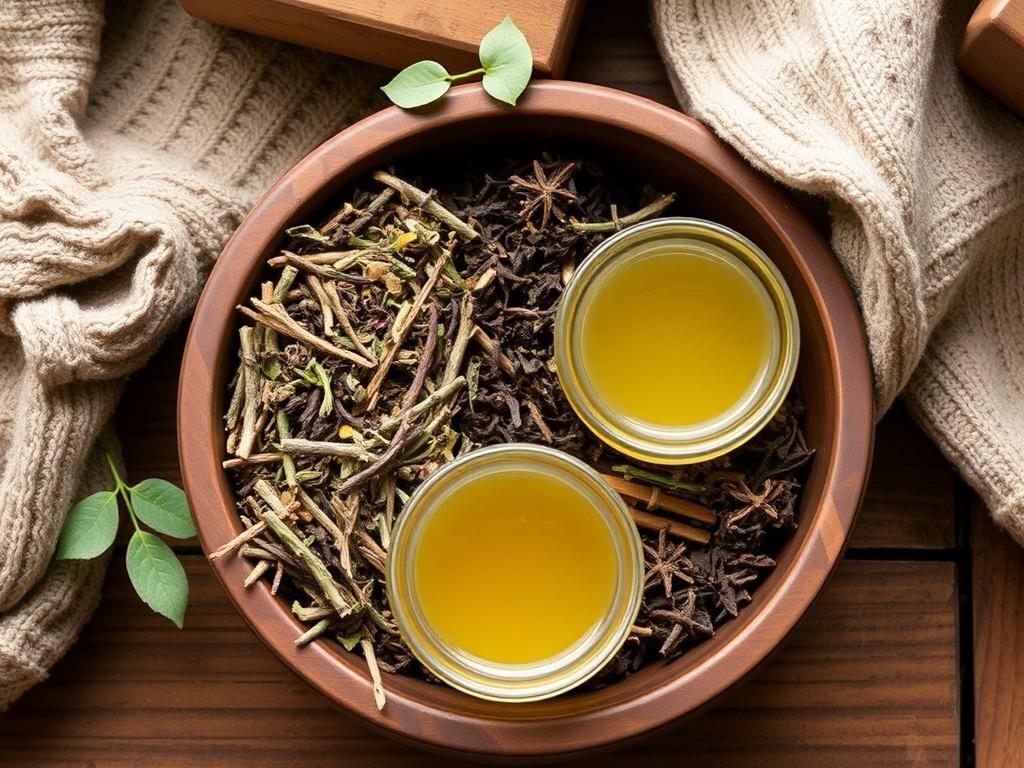
- Test new blends at home in small doses before using them in a shared bathhouse.
- Keep a neutralizing option (plain water and ventilation) ready if a scent becomes overwhelming.
- Label homemade blends with date and ingredients—memory fails quickly when you’re experimenting.
- Combine steam sessions with hydration and rest to get the most benefit.
Conclusion
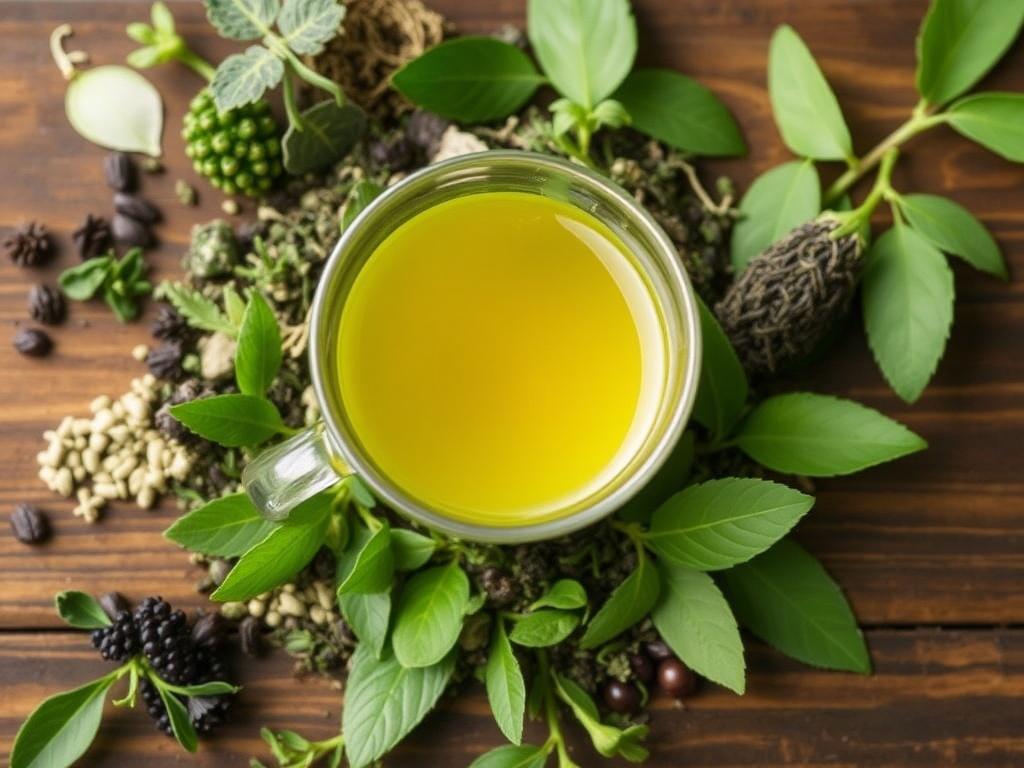
Herbal tea in the bathhouse is a small technology of pleasure and care: it invites deeper breathing, warms the skin, and shapes the emotional tone of a session. Choose herbs with intention—pair a decongestant with a calming base, use sachets for cleanliness, and start small to find the right potency. Respect safety rules for pregnancy and respiratory sensitivity, and prefer whole herbs over raw essential oil when in doubt. With thoughtful blends, your next steam will feel more like a designed experience than an accident of heat—a fragrant pause that stays with you after you step out into the cool air.

