
Ventilation in the Bathhouse: Why It’s Important and How to Do It
Walk into a bathhouse and you notice it immediately: the warm blanket of air, the soft hiss of steam, the smell of heated wood or oils. A well-run sauna feels effortless, but behind that calm is careful engineering—ventilation. Done right, ventilation keeps the air fresh, protects the structure, preserves health and enhances the experience. Done wrong, it brings cold drafts, mold, inefficient heating and a miserable session. This article unpacks why ventilation matters and how to plan, build and maintain it so your bathhouse performs beautifully.
I’ll steer clear of jargon where possible and give practical, actionable advice you can use whether you’re renovating an old sauna, designing a new one, or troubleshooting a problem. Expect design principles, step-by-step instructions, simple calculations, materials lists, maintenance tips and safety notes. There are also quick examples and a table summarizing vent placements and sizes. Read through, pick what applies to your setup, and you’ll understand how to keep the air moving the right way.
Fundamental Principles of Bathhouse Ventilation
Ventilation in a bathhouse has three simple goals: provide fresh air to breathe, remove excess moisture and distribute heat evenly. Those aims may sound basic, but humidity and temperature in saunas push typical building materials and ventilation strategies to their limits. Steam clings to any cold surface, moisture soaks into insulation, and high temperatures strain fans and plastics. A good ventilation plan respects physics: warm air rises, cold air falls, and airflow follows pressure differences.
Airflow is driven by two mechanisms: natural convection and forced movement. Natural convection uses the buoyancy of warm, humid air rising to create circulation. Forced movement uses fans, ducts or vents designed to move air crosswise. Many traditional saunas rely largely on convection, with carefully placed intake and exhaust vents. Modern or larger bathhouses often use mechanical systems for predictable control. Either way, you want predictable circulation patterns that renew the air without cooling the room too quickly.
Why Ventilation Matters
First, health: stale, humid air can concentrate bacteria and spread unpleasant odors. Without proper renewal, oxygen levels drop and the experience becomes stuffy. Second, fabric and structure: moisture drives rot, corrosion and mold growth. Left unchecked, humidity will degrade insulation, framing and interior cladding. Third, comfort and efficiency: good ventilation delivers fresh air where people sit and removes excess humidity after water is splashed on stones, allowing the heater to operate efficiently and reducing fuel or energy usage.
Simple physics that affect every design choice
Hot air rises, so exhaust vents belong high. Cold fresh air is heavier, so intake vents belong low. If you place both vents on the same wall or too close together, you’ll short-circuit the airflow and get poor mixing—fresh air goes straight out and bench areas stay stagnant. Cross-ventilation, or at least a path for air to travel from lower to higher points across the user area, is key.
Types of Ventilation Systems
There are three practical categories: natural ventilation, mechanical extraction or supply, and hybrid systems that combine both. The right choice depends on bathhouse type (wood-fired, electric, infrared), room size, frequency of use and control preferences.
Natural Ventilation
Natural ventilation is the simplest: two fixed vents positioned to encourage natural convection. A fresh air inlet is placed low, often near the heater, and an outlet is placed high, typically on the opposite wall or in the ceiling. This setup takes advantage of the heater’s convection currents to continually bring in oxygen and expel humid air. Natural systems are silent and require no electricity, but they are harder to control precisely and depend on temperature differences and door usage.
Mechanical Ventilation
Mechanical systems use fans to force air in or extract it out. This gives predictable air exchange rates, which helps in larger or heavily used facilities. Fans can be humidity-rated and heat-resistant. Options include:
- Supply fans that bring fresh air in through a duct low on a wall.
- Exhaust fans that extract humid air from a high point or ceiling.
- Balanced systems with both supply and exhaust and sometimes heat recovery (HRV), which recovers heat from outgoing air to pre-warm incoming air.
Mechanical systems require careful selection of components rated for high humidity and, if exposed to high temperatures, high heat. Wiring must meet local electrical codes and fans should be located outside the immediate hot zone where possible.
Hybrid Systems
Hybrid setups pair natural convection with an intermittent mechanical boost: for instance, vents sized for natural flow but with a switchable fan that runs during peak use or aftermath to clear humidity quickly. This approach blends energy efficiency with control and is popular in commercial bathhouses.
Designing Ventilation: A Step-by-Step Guide
Designing effective ventilation starts with measuring the space, estimating use patterns, choosing a system type and sizing the components. Below are practical steps that will cover most projects.
Step 1 — Measure the room
Measure length, width and height to calculate volume in cubic feet or cubic meters. Volume informs how much air you need to move. Record bench positions, heater location, door placement and ceiling height. High-ceilinged saunas behave differently from low ones; warm air will collect higher and may require ceiling vents or ducts.
Step 2 — Choose target air changes
Air changes per hour (ACH) describe how many times per hour the entire room’s air is renewed. For typical saunas the recommended range is roughly 6–8 ACH for small private saunas; public or heavy-use facilities may require higher rates, sometimes 8–12 ACH. Steam rooms (Turkish baths) usually need even higher ventilation because the air is saturated and people generate more moisture.
Step 3 — Convert ACH to flow rate
Use a simple formula to convert ACH to cubic feet per minute (CFM), the usual fan rating:
- CFM = (Room Volume in cubic feet × ACH) ÷ 60
Example: a 10 ft × 8 ft × 8 ft sauna volume is 640 cu ft. For 8 ACH, CFM = (640 × 8) ÷ 60 ≈ 85 CFM. If you opt for natural ventilation, use this number as a target for equivalent natural flow; for mechanical systems select a fan close to that CFM, accounting for duct losses and heat/humidity ratings.
Step 4 — Position intake and exhaust
Place the fresh air intake low, often under or behind the heater, so cool air rises across the heater and distributes warm, fresh air across benches. The exhaust belongs high and ideally on the wall opposite the intake or in the ceiling near the opposite wall. This encourages cross-flow across seating areas and avoids short-circuiting (fresh air going directly into the exhaust).
Step 5 — Size vents and ducts
If you’re using ducts or grilles, choose sizes that match the calculated CFM at reasonable air velocities. For short runs, a round duct with a diameter of 4–6 inches often handles small home sauna CFM; larger rooms may need 6–8 inches. Keep velocities moderate—high speeds create drafts and noise, low speeds risk insufficient exchange. If duct runs are long, increase size to avoid pressure losses.
Step 6 — Consider heat recovery and humidity handling
Heat recovery ventilators (HRVs) can reclaim heat from exhaust air in larger installations, saving energy. However, common HRVs are not designed for sauna temperatures and humidity swings; only specially rated units should be used, and they should be installed outside the hottest zone with insulated ducts. For most private saunas, intermittent mechanical extraction is simpler and safer.
Placement and Sizing Recommendations
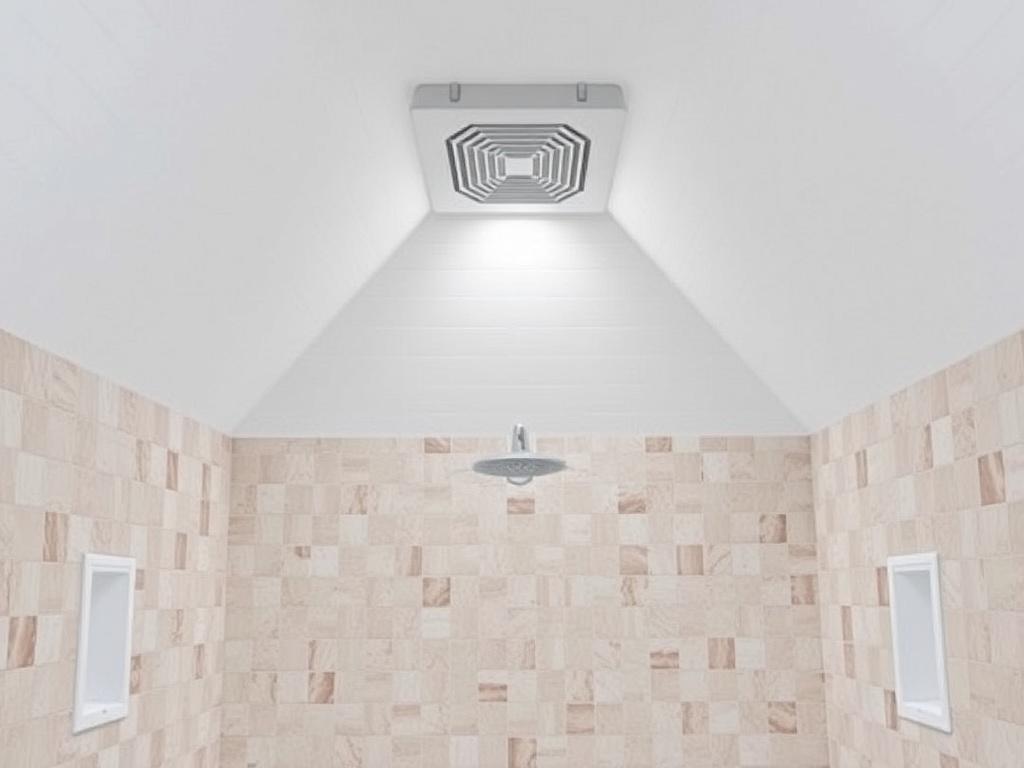
Vent placement rules are straightforward but crucial. Below is a compact guide to help you decide where vents should sit relative to the heater and benches.
Intake Vent
Position the intake low on the wall near the heater. This does two things: it supplies oxygen to a wood-fired stove, which needs combustion air, and it introduces cool fresh air that heats as it passes the stove, producing circulation across the benches. If the heater is floor-mounted, place the inlet slightly above floor level; if bench-mounted, align with bench level so air circulates through the user zone.
Exhaust Vent
Place the exhaust high on the wall opposite the intake or in the ceiling near that wall. Higher placement ensures humid warm air is removed efficiently and prevents it from condensing on walls and benches. Make the exhaust adjustable so you can fine-tune airflow after a test session.
Door and Bench Considerations
Doors should be tight but not airtight; a small gap under the door helps supply fresh air and relieve pressure on the exhaust system. Benches at different heights change how occupants experience airflow—upper benches are hotter and should receive a steady flow of slightly warmer air without blasts of cold.
Materials, Components and Installation Tips
Choose materials that tolerate heat and humidity. Metals like stainless steel or galvanized steel are preferred for vents and ducting because they resist corrosion. Avoid plastics like PVC for components inside or very near the heated zone—high temperatures can deform or off-gas. Use mineral wool or fiber insulation behind interior cladding rather than foam products that may trap moisture or degrade at high temperatures.
Vents and Grilles
Use adjustable grilles or simple circular vents for intake and exhaust. Make them easy to inspect and clean. If you’re connecting ducts, use airtight, high-temperature rated duct tape or clamps. Avoid long, narrow duct runs where possible.
Fans and Electrical Components
Choose fans rated for high humidity; some manufacturers specify “bathroom-rated” or “sauna-rated.” Place any rated fan outside the sauna room where possible, ducting through a heat-resistant collar. Keep all switches and controls located away from direct heat and moisture, and follow local electrical code for wiring and breakers. If uncertain, hire a licensed electrician.
Vapor Barrier and Interior Finish
Properly installed vapor barrier prevents moisture from penetrating the insulation. The standard approach: frame → insulation → vapor barrier on the warm side → interior wood cladding. Use foiled vapor barrier materials that tolerate heat. Seal seams and penetrations carefully. Inside, use tight-fitting tongue-and-groove softwoods such as cedar or spruce, which tolerate heat and add aromatics.
Controlling Humidity and Heat Distribution
A functioning ventilation system won’t eliminate humidity spikes when you throw water on stones, but it will remove excess moisture steadily. A few tricks help manage humidity and make heat distribution more even:
- Start with a small influx of fresh air during the heating phase; keep vents slightly open to maintain circulation and warm the air quickly.
- When you want a drier, hotter feel, close the inlet slightly to reduce fresh air intake and increase temperature while keeping the exhaust open enough to prevent condensation build-up.
- Use baffles or partial partitions to direct flow across benches rather than straight up; this enhances comfort on the seating plane.
- Ceiling height matters—lower ceilings make quicker, more intense heats with less air volume to move; higher ceilings increase volume and may require more ventilation to maintain fresh air near occupants.
Safety, Codes and When to Get Professional Help
Safety is non-negotiable. Combustion appliances need proper intake and exhaust to avoid back-drafting and carbon monoxide buildup. Electrical components must be installed per code, with GFCI protection where required. If you burn wood, ensure the stove and chimney are installed with correct clearances and non-combustible shielding. If you are unsure about combustion air sizing or chimney drafting, call a professional.
Check local building codes and manufacturer instructions for the heater, fans, and any electrical fixtures. Many regions have specific requirements for ventilation rates, fire separation and electrical circuits in wet and high-temperature areas. If you’re installing ducted ventilation with heat recovery, use a specialist familiar with high-humidity HRV units and sauna environments.
Maintenance and Troubleshooting
Ventilation systems require a little attention to stay effective. Inspect vents, grilles and ducts annually for blockages, corrosion and loose fittings. Clean grilles and wipe surfaces to avoid dust accumulation that traps moisture. Check for condensation on cold surfaces in adjacent rooms—this indicates the vapor barrier is compromised or ventilation is inadequate.
Common problems and fixes:
- Cold drafts across heads: move or reduce the intake or add a diffuser to slow and warm incoming air.
- Stale air: increase exhaust or add a mechanical boost for the final 10–15 minutes after sessions to clear humidity.
- Mold or soft wood: inspect vapor barrier and insulation; repair penetrations and improve exhaust capacity.
- Fan failure in a mechanical system: replace with a sauna-rated unit and ensure dampers are functioning.
DIY Installation: Tools, Checklist and Step-by-Step
If you’re comfortable with basic carpentry and the heater installation has already been addressed by the manual or a pro, installing simple natural ventilation is a manageable DIY task. Mechanical systems or anything involving gas or chimney work should be handled by professionals.
Tools and materials
- Measuring tape and level
- Saw for cutouts (hole saw or jigsaw)
- Screws, stainless where possible
- High-temperature silicone or mastic
- Insulation (mineral wool), vapor barrier (foil-faced), interior cladding
- Stainless steel or galvanized vent grilles
- Fan and ducting (if choosing mechanical ventilation), rated for humidity and heat
- Protective gloves and eye protection
Quick installation checklist
- Confirm heater manual for recommended ventilation and clearances.
- Measure and mark intake location low near the heater, and exhaust high on the opposite wall.
- Cut openings and install framed collars for ventilation if required.
- Install ducting or fixed vents; use stainless screws and seal joints.
- If using a fan, install it outside the heated space where possible, and wire per code.
- Test airflow with a smoke pencil or thin paper to see flow direction and adjust vent positions as needed.
- Finish interior cladding and seal penetrations around vents with heat-resistant sealant.
Examples and Simple Calculations
Concrete examples help. Below are two scenarios showing how to convert desired air changes into fan size or natural venting targets.
Example 1 — Small Home Sauna
Room dimensions: 7 ft × 6 ft × 7 ft = 294 cu ft. Target ACH: 8. CFM = (294 × 8) ÷ 60 ≈ 39 CFM. For a natural system, use an intake vent about 3–4 inches diameter and an exhaust of comparable size placed high on the opposite wall. For a mechanical system, choose a 40–60 CFM fan rated for higher humidity to allow headroom for losses.
Example 2 — Larger Community Sauna
Room dimensions: 12 ft × 10 ft × 8 ft = 960 cu ft. Target ACH: 8. CFM = (960 × 8) ÷ 60 ≈ 128 CFM. This size favors ducting with a 6–8 inch round duct and a mechanical fan sized to 150 CFM to account for duct losses, dampers and higher usage. A balanced system with intermittent extraction after sessions will manage humidity efficiently.
Table: Recommended Vent Positions and Typical Sizes
| Sauna Type | Intake Location | Exhaust Location | Typical Vent Diameter | Notes |
|---|---|---|---|---|
| Small home sauna (natural) | Low on wall near heater or beneath it | High on opposite wall or ceiling | 3–4 inches | Simple, silent; adjust by small dampers if needed |
| Medium private sauna (mechanical) | Low near heater; duct to outside if possible | High opposite wall; mechanical exhaust outside | 4–6 inches | Use 50–100 CFM sauna-rated fan |
| Large or public sauna | Low near or behind heater; multiple intakes possible | High opposite wall or ceiling; ducted extraction | 6–8 inches or multiple ducts | Use 100–300 CFM fans; consider heat recovery outside hot zone |
| Steam room (Turkish) | Specialized supply; avoid metal-only interiors | Ceiling-level exhaust with high-capacity fan | Varies; system-specific | Higher ventilation rates and waterproof components required |
Troubleshooting Common Ventilation Problems
Here are typical symptoms, causes and fixes to help you quickly diagnose problems.
Problem: Sauna smells stale or musty
Cause: Poor air exchange or trapped moisture behind cladding. Fix: Increase exhaust capacity, run an extraction fan after sessions, inspect and repair vapor barrier, and remove any wet insulation or contaminated wood.
Problem: Strong drafts at bench level
Cause: Intake too large or directed straight at bench. Fix: Install diffuser or baffle to spread incoming air and reduce velocity; reduce inlet opening size.
Problem: Condensation on adjacent room walls
Cause: Vapor barrier compromised or insufficient exhaust. Fix: Repair vapor barrier, increase exhaust, and improve insulation to reduce cold surfaces where moisture can condense.
When You Should Hire a Professional
Call a contractor when work involves the heater’s combustion system, chimney installation, major electrical wiring, or when you’re unsure about local code compliance. Professionals can perform combustion air calculations, ensure chimney draft is correct, and size mechanical systems for heavy use environments. For a simple natural ventilation upgrade you can often proceed safely on your own, but never modify a heater or chimney without proper expertise.
Checklist Before Your First Heat

- Measure room volume and confirm ventilation sizing.
- Check that intake is low and near the heater; exhaust is high and opposite.
- Ensure all electrical components are installed per code and away from direct heat.
- Inspect vapor barrier seams and seals.
- Test airflow direction with a smoke test or incense stick.
- Run an initial test heat and look for condensation, drafts, or hot spots.
Practical Tips for Better Sauna Sessions
Open the door briefly when heating to bring in cooler air if the heater needs extra oxygen. After heavy use, run the exhaust fan for 10–20 minutes to clear humidity, then close vents to keep the room warm while it dries. Rotate bench cushions and allow the sauna to dry between heavy uses; this reduces mold risk and prolongs materials life.
Conclusion
Good ventilation is the silent backbone of a comfortable, healthy bathhouse—simple in principle but demanding in execution because of heat, humidity and human expectations. Place fresh air in low and close to the heater, remove humid air high and opposite, size vents to achieve roughly 6–8 air changes per hour for most small saunas, and use mechanical fans where predictable control or higher capacity is needed. Choose materials that tolerate heat and moisture, install a proper vapor barrier, and follow safety rules for combustion and electrical work. With careful planning, straightforward calculations and a small maintenance routine, your bathhouse will stay warm, fresh and enjoyable for years.

