
Building a Bathhouse Yourself: Where to Start?
There’s something oddly magnetic about the idea of building your own bathhouse. It promises sweat, steam, cedar-scented benches, and a place to unwind that you built with your own hands. If you’re reading this, you’ve likely imagined evenings warmed by a wood stove and mornings rinsed away in cold water, or perhaps you want a modern sauna tucked into the backyard. Before you swing a hammer, though, you need a clear map: decisions, permits, materials, sequence. This article walks you through that map from the first sketch to the last towel hook. We’ll keep it practical, step-by-step, and candid—so you can judge what you can truly do yourself and where to call in help.
Why Build Your Own Bathhouse?
A bathhouse is more than a structure; it’s an investment in health, social time, and property value. Building it yourself saves money and lets you customize every aspect: the size, the stove type, the layout. There’s satisfaction in seeing the frame rise and knowing you were the one who made it happen. But DIY also means responsibility: safety around high heat and steam, proper ventilation, and compliance with local codes. Knowing the tradeoffs upfront prevents mid-project regret.
What Kind of Bathhouse Fits Your Life?
Start by imagining how you’ll use it. A weekend-only setup for two is different from a family-friendly structure that welcomes friends. Choices include:
- Traditional wood-fired banya (rustic, aromatic, requires chimney work)
- Electric sauna (cleaner, easier to regulate, needs electrical work)
- Steam room/hamam (wet heat, tiled interiors, steam generator required)
- Infrared cabin (lower temperatures, different health profile)
Each option drives decisions about insulation, ventilation, foundation, and safety. Before buying materials, pick the style that matches your comfort with maintenance and with the technical demands of installation.
Step One: Planning and Permissions
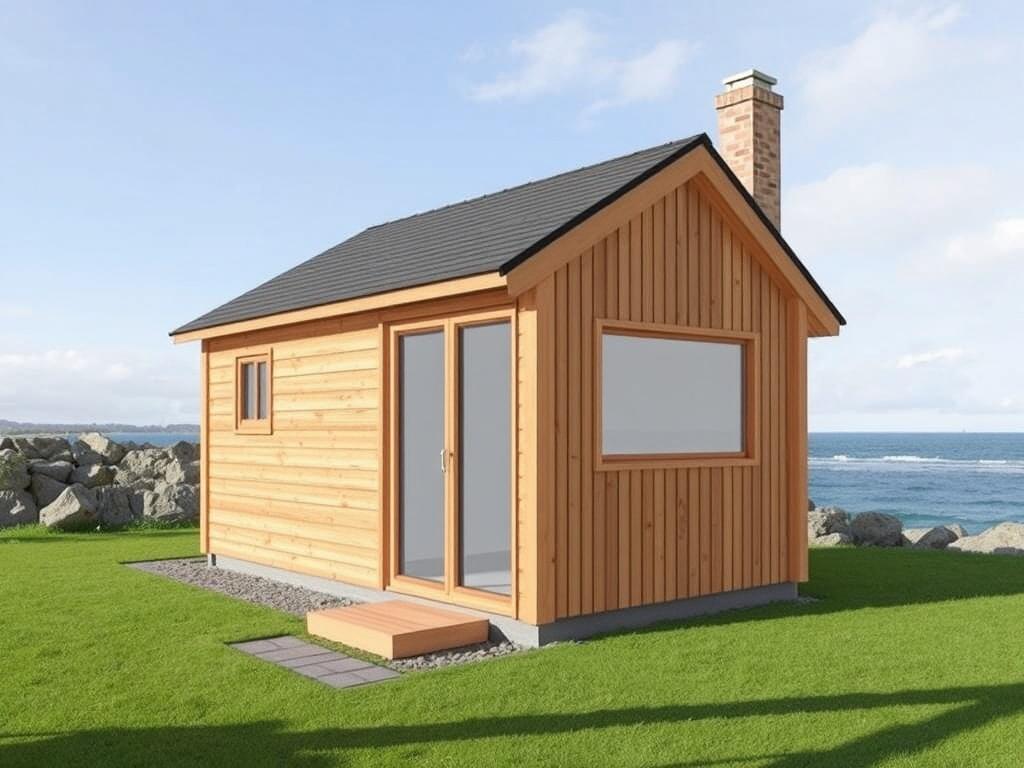
Check Regulations and Permits
Don’t skip this. Local building codes and zoning rules can dictate setback distances, maximum size, and whether you need a permit. Fire safety rules may apply, especially for wood stoves or chimneys. Some municipalities require plumbing and electrical permits, and inspections during construction. Start with a quick call to your local building department—get the checklist in writing if possible. It saves costly fixes later.
Decide on a Budget and Timeline
Be realistic. DIY saves labor but materials, fixtures, and specialized equipment add up. Keep a margin of 15–25% for unforeseen expenses. Think about the timeline too; a simple small sauna might be a weekend-to-two-weeks build with help, while a fully tiled steam room could be a multi-month project. Consider weather windows: exterior work needs dry conditions for framing and roofing.
| Bathhouse Type | Approx. DIY Cost Range | Estimated Time |
|---|---|---|
| Small wood-fired sauna (6–8 sq. m) | $3,000–$8,000 | 2–4 weeks |
| Electric sauna with changing room | $4,500–$12,000 | 3–6 weeks |
| Tiled steam room/hamam | $8,000–$20,000 | 6–12 weeks |
| Large custom bathhouse (multi-room) | $15,000+ | 2–6 months |
Site Selection and Foundation
Choosing the Spot
Pick a site with good drainage and access. Proximity to the house is convenient, especially in cold climates, but consider privacy and smoke drift if you choose wood heat. A level spot reduces foundation work. If trees surround your site, watch for roots and falling branches that could complicate construction or damage the roof. Think about orientation too: placing windows to the south can bring warming light to the changing room but avoid direct sun on the sauna room during summer.
Foundation Types
The foundation must be stable and resist moisture. Your choice depends on soil, climate, and building size:
- Concrete slab: solid, moisture-resistant, good for tiled steam rooms.
- Pier or concrete pads: economical, keeps structure off the ground, suits smaller saunas.
- Strip footing and crawl space: allows easy access to plumbing and insulation in colder zones.
For small wood-fired saunas, concrete pads or piers are typical. For steam rooms, a slab with proper waterproofing and slope to a drain is essential. Consult local codes for frost depth and reinforcement requirements if you’re in a cold climate.
Design and Layout Basics
Functional Room Sequence
A classic layout moves users from changing room to steam/sauna room to a washing area or plunge. This creates a thermal buffer—the changing room insulates the heated core from cold outdoor air. Plan bench arrangements for comfort and airflow, and ensure the door swings outward for safety. Windows can provide light and ventilation in the change room but avoid windows in the steam/sauna room unless they’re specifically designed to handle heat and moisture.
Size Guidelines
Think in terms of usable bench space: a typical bench depth of 18–24 inches and a seat height ladder of 12–20 inches offers comfort. Allow 20–30 inches of bench length per person for comfortable seating.
| Number of Bathers | Suggested Sauna Room Size (sq. ft.) | Bench Length (linear feet) |
|---|---|---|
| 2–3 people | 30–50 | 6–8 |
| 4–6 people | 60–90 | 10–14 |
| Large group | 100+ | 15+ |
Materials: What to Use and Why
Framing and Structural Materials
Typical wood framing works well for bathhouses—but choose species and treatments with care. Pressure-treated lumber is common for foundations and exterior-grade elements, but avoid treated wood inside sauna rooms where high heat and direct contact with skin occur. Interior sauna structures usually use softwoods like cedar, spruce, or aspen—wood that tolerates heat, stays relatively cool to the touch, and resists warping. Cedar offers aroma and rot resistance but costs more.
Insulation and Vapor Barriers
Insulation keeps operating costs down and makes the heat consistent. Use mineral wool or fiberglass for walls and ceilings, following recommended R-values for your climate. But insulation is only one part: vapor barriers and proper detailing prevent condensation inside wall cavities. In traditional sauna construction, you typically have insulation, then a foil vapor barrier on the warm side, and finally interior wood cladding. For steam rooms, use cement board, waterproof membranes, and tile—vapor-tight and water-resistant systems.
Flooring Options
Floors must handle moisture and be safe underfoot. Options vary:
- Tiled floor with slip-resistant tiles and floor drain—best for steam rooms or combined wash areas.
- Wood slats over a sloped waterproof base—common in dry saunas for a natural feel.
- Composite decking or concrete in utility areas.
Heat Source Choices and Installation
Wood Stove vs Electric Heater
Wood stoves are atmospheric and economical if you have wood supply, but they demand a chimney, hearth, and clearance rules. They produce high, dry heat and dramatic steam when water is thrown on hot rocks. Electric heaters are cleaner and easier to control; they require a proper electrical supply and an experienced electrician. Consider the following:
- Wood stove: greater installation complexity, ongoing wood handling, strong ambiance.
- Electric heater: precise temperature control, simpler maintenance, needs adequate wiring.
- Gas-fired or pellet stoves: alternatives with their own venting and code issues.
- Steam generators: specific to steam rooms—these need condensate and vent management.
Sizing the Heater
Heater capacity links to room volume. Manufacturers provide wattage or kilowatt suggestions per cubic foot or cubic meter. As a rough guide, electric heaters typically require about 1 kW per 50–70 cubic feet of room volume, though heavy insulation or windowed rooms change that. For wood stoves, follow manufacturer guidelines and ensure proper clearance and hearth protection. Improper sizing leads to slow heat-up or overstressed equipment.
Ventilation and Airflow—Don’t Skimp

Proper airflow is central to comfort and safety. Fresh air inlet and outlet locations influence how heat circulates and how evenly the room warms. A common arrangement places a fresh air vent near the heater to feed air to the stove and an exhaust vent near the ceiling on the opposite side to remove stale air. For steam rooms, mechanical exhaust with a humidity-tolerant fan is crucial to prevent mold. Always follow recommended vent sizes and placement for the type of heater you install.
Plumbing and Electrical Considerations
Water Supply and Drainage
Decide whether the bathhouse needs hot water supply, showers, or a plunge pool. For simple rinsing, a cold-water tap might suffice. If you plan a full washing area or a tub, run hot water lines and ensure all pipes have freeze protection if the building will be used in winter. Drainage must slope correctly to a floor drain and connect to the septic system or municipal sewer. For tiled floors, the drain and waterproofing detail are mission-critical.
Electrical Safety
Electric heaters, lighting, and any auxiliary equipment must be installed to code. Use moisture-rated fixtures and switches located outside direct steam or heat zones. Ground-fault circuit interrupters (GFCI) are essential for any outlets and for electrical systems in wet areas. Because sauna cabinets and steam rooms combine moisture and heat, many electricians recommend placing controls in the changing room rather than inside the hot room.
Interior Finishes and Comfortable Touches
Benches, Backs, and Ergonomics
Benches are the heart of a bathhouse. Build them at two levels if space allows: a high bench for hotter seating and a lower bench for milder sitting. Use tongue-and-groove boards or assembled frames with slats; avoid nails or screws in obvious touch surfaces—use hidden fasteners or countersink and cap. Round edges feel better and last longer. Provide headrests and backrests for longer sessions. Ventilation behind benches helps wood dry and extends lifespan.
Lighting and Atmosphere
Soft, shielded lighting creates mood without glare. Fiber-optic or LED fixtures rated for sauna use are preferable. Consider a dimmer located in the changing room. Skylights or small high windows can provide natural light but must be chosen for heat and moisture resistance. Decorative stones, aromatic herbs, or carefully chosen wood species add character without compromising function.
Safety and Compliance
Heat and moisture create unique risks. Install a thermometer and hygrometer inside the sauna so you can monitor conditions. Ensure the door is outward-opening and can be opened from the inside without a key. Use heat shields where combustible materials approach the stove. Fit smoke and carbon monoxide detectors in adjacent rooms, not inside the sauna itself. For wood combustion systems, maintain a clear chimney path and schedule annual cleaning to prevent creosote buildup.
Common Mistakes and How to Avoid Them
Experienced builders say the biggest errors are poor ventilation, incorrect vapor barrier placement, and underestimating the drain or waterproofing needs. Other traps include using the wrong wood inside the hot room, running electrical without permits, and neglecting clearances around heaters. The cure for most mistakes is planning: read manufacturer instructions, consult your building department, and if in doubt, hire a pro for the system element you’re uncertain about (electrical, gas, or structural). A few hundred dollars of expert input can save thousands in rework.
Tools and Skills You’ll Need
Building a bathhouse requires basic carpentry skills plus some specialized tasks. You’ll need:
- Framing tools: circular saw, miter saw, drill, nail gun (optional), levels and squares
- Masonry tools if you pour a slab: concrete mixer or vacuum-formed pre-mix, trowels
- Plumbing and electrical tools if you’re doing that work yourself
- Insulation and vapor-barrier installation tools: utility knives, staples, tape
- Tiling tools for steam rooms: float, trowels, grout tools
If you’re not confident with wiring or gas/venting, hire licensed tradespeople. Even precise carpentry mistakes can be fixed, but code work and combustion appliances are not forgiving.
Step-by-Step Build Checklist
Break the project into manageable phases. Here’s a high-level checklist you can adapt to your design.
- Permits and site selection: confirm setbacks, codes, and get necessary approvals.
- Finalize design: room sizes, bench layout, heating choice, plumbing, and electrical plans.
- Prepare site: clear vegetation, level ground, and mark foundation footprint.
- Install foundation: pour slab, piers, or pad—allow curing time as necessary.
- Build framing: walls, roof trusses, and any window or door openings.
- Install roof: sheathing, underlayment, and shingle or metal roofing for weather tightness.
- Run rough-in mechanicals: plumbing, electrical conduits, and chimney/venting for heater.
- Insulate and install vapor barrier: follow best practice for sauna or steam room specifics.
- Finish interior: wood cladding in sauna; cement board, membrane, and tile for steam rooms.
- Install heater and ventilation: set heater to manufacturer specs and test vents.
- Finish floors and benches: slope floor toward drains and fit benches to ergonomic specs.
- Trim, seal, and paint outside elements: protect the exterior from weather.
- Final inspections: electrical, plumbing, and building inspections as required.
- Commission and test: heat the room slowly, check for leaks, monitor temperatures.
Budgeting: A Practical Table of Costs
Costs vary by region, material choices, and whether you hire trades. Use this table as a guideline and adapt to local prices.
| Item | Low Estimate | High Estimate | Notes |
|---|---|---|---|
| Foundation (pads/slab) | $800 | $4,000 | Depends on soil and slab size |
| Framing and roofing | $1,200 | $6,000 | Material quality and complexity vary |
| Insulation and vapor barrier | $300 | $1,000 | Higher for steam rooms |
| Heater (wood/electric) | $400 | $3,000 | High end includes masonry stove |
| Plumbing and drainage | $300 | $2,500 | Depends on scope |
| Electrical (wiring, panel upgrades) | $500 | $2,000+ | Heater power demands drive cost |
| Interior finishes (benches, cladding) | $500 | $4,000 | Wood species and craftsmanship vary |
| Door, windows, fixtures | $200 | $1,500 | Heat-rated doors are pricier |
| Contingency (15–25%) | $600 | $5,000 | Plan for surprises |
When to Hire Professionals
There are moments in the project where a pro’s experience pays off quickly. Consider hiring licensed tradespeople for:
- Electrical systems for heater and panel upgrades
- Gas hookups, if you use gas-fired heaters
- Chimney design and installation for wood-burning stoves
- Complex waterproofing for tiled steam rooms
- Structural engineers for unusual spans or large additions
DIY doesn’t mean doing everything. Good planning includes identifying the parts you can realistically manage and those that require expertise.
Maintenance and Longevity
A well-built bathhouse lasts decades with routine care. Oil or treat exterior wood to protect it from moisture and ultraviolet damage. Inside, monitor for signs of mold or rot—proper ventilation and periodic airing reduce these risks. Clean the heater according to the manufacturer’s schedule, and inspect chimneys annually. Replace worn bench slats and check fasteners. Regular, small maintenance tasks avoid large, costly repairs later.
Creative Extras and Luxury Upgrades
If your budget allows, consider extras that make the space feel like a personal spa: built-in speakers, aromatic stone racks, a small cold plunge, a warm tile bench in the wash area, or a steam-proof window that gazes at the garden. Outdoor amenities, like a covered porch or a changing pavilion, make the bathhouse part of a broader relaxation landscape. Remember, every add-on increases complexity: plumbing, electricity, and permits follow.
Common Questions New Builders Ask
How fast should a sauna heat up?
Depends on heater size and insulation. A well-insulated, small sauna can reach operating temperatures in 30–60 minutes with the right heater. Larger rooms or underpowered heaters take longer. If your sauna takes longer than expected, review insulation, heater capacity, and door seals.
Can I use treated wood inside?
No. Treated lumber contains chemicals not suitable for high-heat or close-contact areas. Use untreated, heat-tolerant species for interior cladding and benches.
What’s the best way to dry the bathhouse between sessions?
Air it out—open doors and vents after use to let humidity escape. Use a dehumidifier in the changing room or mechanical ventilation if you’ll use the bathhouse frequently in a moist climate. For steam rooms, ensure exhaust fans are rated for high humidity and continuous use.
Final Practical Tips
- Measure twice, cut once. It’s trite but true—especially for benches and door openings.
- Keep a notebook of manufacturer instructions, permit paperwork, and as-built changes for future maintenance.
- Prototype bench heights and depths with temporary boards before final installation.
- Plan for storage of wood, towels, and buckets—these small convenience features get used every day.
- Start small if it’s your first project. You can always expand later.
Conclusion
Building your own bathhouse is a manageable and rewarding project if you start with clear decisions and realistic expectations. Begin with local regulations, pick a design that fits your lifestyle, and choose materials appropriate for heat and moisture. Break the job into phases—foundation, framing, mechanicals, and finishes—so progress is steady and measurable. Hire professionals for electrical, gas, or complex waterproofing, and keep safety front and center: proper ventilation, clearances, and escape-safe doors are non-negotiable. With thoughtful planning, the right tools, and attention to detail, you’ll end up with a personal retreat that pays dividends in relaxation and pride for years to come.

