
Bathhouse for Weight Loss: Myth or Reality?
Stepping into a hot, steamy room feels like pressing pause on the noisy world. The heat presses in, the air smells of eucalyptus or wood smoke, and sweating begins as if on cue. Many people who love saunas, steam rooms, or traditional bathhouses also hope for a secret shortcut: lose weight simply by spending time in the heat. That idea—sit, sweat, shrink—has irresistible appeal. But does it hold up? This article unpacks how bathhouse practices affect body weight, what actually changes during and after a session, the physiological pathways involved, and whether repeated heat exposure can contribute to lasting fat loss when combined with sensible habits.
Understanding What “Weight Loss” Really Means
Before we assign credit to a sauna or banya, it’s important to be precise about terms. Weight loss can mean a temporary drop on the scale from water loss, a reduction in body fat, or a change in lean mass like muscle. These outcomes have different causes and different health implications. When you step out of a steam room and lose two pounds in an hour, that’s almost certainly water—not fat. Fat loss requires a sustained energy deficit: burning more calories than you consume over time. If the heat helps you burn a few extra calories or improves recovery so you move more often, it could be a piece of the puzzle. But the heat itself is not a magic wand that melts fat.
How Saunas and Steam Rooms Affect the Body

Heat exposure triggers a cascade of physiological responses. Core temperature rises, blood vessels dilate (vasodilation), and the heart rate speeds up to pump blood to the skin for cooling. Sweat glands activate, producing fluid that evaporates and cools the surface of the skin. Hormones respond to the stress: adrenaline increases, and the sympathetic nervous system becomes more active. Over time, repeated controlled heat exposure prompts adaptations—improved cardiovascular efficiency, better endothelial function, and sometimes improved tolerance to heat.
Immediate effects during a session
Short-term consequences are obvious: increased heart rate, transient rises in metabolic rate, and substantial fluid loss. These changes explain why your weight drops briefly after a session. The heart may work harder—like during low-intensity exercise—so a sauna session can be roughly equivalent to walking at a slow pace in terms of cardiovascular stimulus. But metabolic rate increases are modest and temporary; once rehydrated, the body weight usually returns.
Long-term adaptations with regular exposure
People who use saunas consistently can experience improved vascular function, reduced blood pressure, and better thermal tolerance. A body adapted to heat may perform slightly better during hot-weather exercise and recover differently. There is some evidence that repeated passive heating could modestly influence metabolism through mechanisms such as heat shock proteins and improved insulin sensitivity, but these effects are subtle and vary between individuals.
Calorie Burn in the Heat: Numbers and Context
How many calories does a sauna session actually burn? Estimates vary by temperature, duration, and an individual’s physiology. A typical moderate sauna session might raise energy expenditure by about 1.5 to 2 times resting metabolic rate, which translates to perhaps 50–150 extra calories for a 20–30 minute session. That’s roughly equivalent to a short walk. It’s not negligible, but it’s also not large enough to cause significant fat loss on its own unless applied consistently as part of a broader plan that creates an energy deficit.
Here’s a practical way to think about it: to shed one pound of fat you need an energy deficit of approximately 3,500 calories. If a sauna session burns an extra 100 calories, it would take 35 such sessions to lose one pound from those calories alone—assuming no compensatory increase in appetite or decrease in other activity. Most people compensate, consciously or not, by drinking fluids, eating afterward, or resting more, which reduces the net impact.
Water Weight vs. Fat Loss: Why the Scale Lies After Heat
The most immediate and visible change after a hot session is water loss. Sweating leads to fluid and electrolyte losses; if you step on a scale afterward, you’ll see the number drop. But that change is reversible: rehydrate and the weight comes back. Importantly, losing water alters performance, mood, and physiology temporarily. Dehydration reduces plasma volume and can make exercise harder, whereas proper rehydration restores baseline weight and function. Fat tissue does not evaporate with sweat. It is metabolized through biochemical pathways that require oxygen and a caloric deficit sustained over days and weeks.
Heat-Induced Metabolic Effects: Brown Fat, Hormones, and Heat Shock Proteins
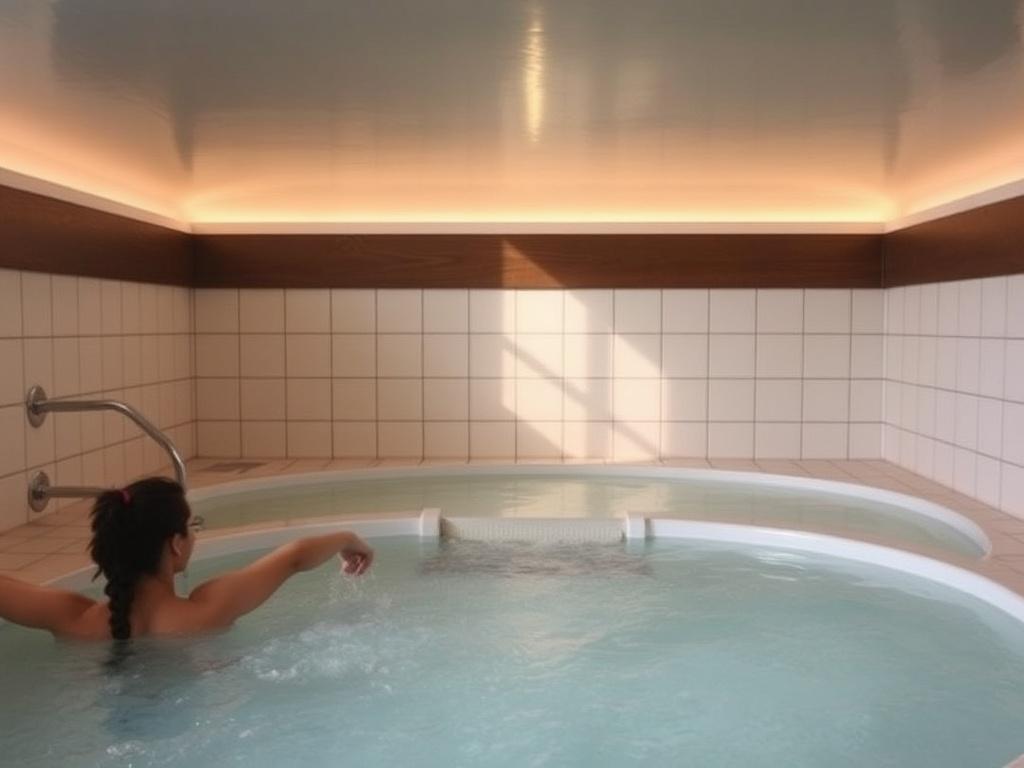
There’s emerging interest in how heat affects metabolic tissues. Brown adipose tissue (BAT), which burns energy to produce heat, can be activated by cold but may also be influenced by other thermal stresses. Heat shock proteins (HSPs) are another thread: these molecular chaperones are upregulated by heat stress and may improve cellular resilience, inflammation control, and insulin signaling. Some studies suggest that passive heating can improve insulin sensitivity in people with metabolic syndrome, and that may indirectly support weight management by improving how the body handles nutrients.
Hormones like cortisol and adrenaline also respond to heat. Short-term elevations can raise energy expenditure, while chronic stress responses are complex and may be counterproductive if they increase appetite or disrupt sleep. The net metabolic effect depends on session frequency, duration, temperature, and individual health status.
Types of Heat Rooms and Their Differences
Not all bathhouses are the same. You’ll find dry saunas (Finnish-style), steam rooms (Turkish hammams), infrared saunas, Russian banyas, and Japanese onsens. Temperature, humidity, and the way heat is delivered vary, and those differences matter for comfort, safety, and physiological response.
| Type | Typical Temperature/Humidity | Primary Sensation | Potential Advantages |
|---|---|---|---|
| Dry sauna (Finnish) | 75–100°C / low humidity | Intense dry heat | Strong cardiovascular stimulus, high sweat rate |
| Steam room (hammam) | 40–50°C / ~100% humidity | Warm moist heat | Feels gentler on lungs, may open airways |
| Infrared sauna | 40–60°C / low humidity | Deep radiant heat | Lower ambient temp, targeted heating, may be more tolerable |
| Banya (Russian) | 60–110°C / variable humidity | Steam bursts and high heat | Traditional cultural ritual, intense heat cycles |
| Onsen (Japanese) | 38–43°C / natural mineral waters | Warm thermal baths | Mineral benefits, relaxation |
Infrared vs. Traditional Saunas
Infrared saunas use radiant heat to warm the body directly, often at lower air temperatures than a traditional sauna. People sometimes claim infrared saunas cause more calorie burn because they penetrate deeper, but the scientific evidence is mixed. Comfort and tolerability often determine session length; a lower ambient temperature may allow longer sessions and therefore more total energy expenditure, but the differences are subtle.
What the Research Shows: Summaries of Relevant Studies
Unlike the vast literature on diet and exercise, studies focused specifically on saunas and weight loss are limited and often small. They tend to show short-term improvements in cardiovascular markers, blood pressure, and inflammatory markers with regular sauna use. Evidence for direct, sustained fat loss from passive heating alone is weak. However, some controlled trials indicate improved insulin sensitivity and modest metabolic benefits in people with metabolic syndrome following repeated thermal therapy, which could support weight management indirectly.
| Study Type | Population | Intervention | Key Findings |
|---|---|---|---|
| Randomized controlled | Adults with metabolic syndrome | Repeated heat sessions over weeks | Improved insulin sensitivity, modest reductions in blood glucose |
| Observational | Regular sauna users vs. non-users | Self-reported sauna frequency | Lower cardiovascular mortality in frequent users; not direct weight data |
| Acute physiological | Healthy volunteers | Single sauna/steam session | Increased heart rate and calorie burn transiently; weight loss mainly water |
These summaries show two things: heat exposure has measurable physiological effects that can improve health markers, and short-term weight changes are dominated by fluid shifts. Long-term fat loss demands a broader strategy.
Practical Protocols: How to Use Heat as Part of a Weight-Loss Strategy
If you enjoy bathhouses and want to include them sensibly in a weight-management plan, treat them as an adjunct—not the main tool. Use heat for relaxation, recovery, and cardiovascular conditioning, and pair it with reliable habits like consistent exercise and reasonable calorie control. Below are practical protocols you can adapt based on experience, tolerance, and medical advice.
- Start slow: Begin with 5–10 minute sessions in a mild environment, then add time gradually.
- Hydration plan: Drink water before and after; consider electrolytes after long or repeated sessions.
- Frequency: 2–4 sessions per week is common for health benefits; more may be tolerable for experienced users.
- Session structure: 12–20 minutes in the heat, followed by a cool-down and rehydration; repeat once or twice if comfortable.
- Combine with activity: Consider a light workout before or after your session to use heat for recovery or to extend caloric burn safely.
Sample Week: Integrating Heat with Exercise
Here’s a sample plan for someone who exercises five days a week and wants to use sauna sessions as a recovery tool and mild metabolic aid.
- Monday: Strength training + 15-minute sauna post-workout (cool down and hydrate)
- Tuesday: Light cardio + no sauna
- Wednesday: Interval training + 20-minute infrared sauna in evening
- Thursday: Rest or yoga + 10–15 minute steam session for relaxation
- Friday: Strength training + contrast shower (end with cool water)
- Weekend: Long walk/hike; optional short sauna for recovery
This pattern uses heat to aid recovery and relaxation rather than as the primary method of creating an energy deficit. It also spaces sessions to avoid chronic stress or dehydration.
Safety, Contraindications, and Side Effects
Heat exposure is powerful, and for some people it can be dangerous. Before adopting frequent sauna use, consider the following cautions. People with unstable cardiovascular disease, uncontrolled high blood pressure, recent heart attack, severe aortic stenosis, or certain arrhythmias should avoid or cautiously approach high-heat environments. Pregnant women should consult a clinician before prolonged heat exposure. Alcohol and sauna use mix poorly—both increase cardiovascular strain and dehydration risk. Older adults and those taking diuretics should be cautious because of electrolyte and fluid balance issues.
- Do not use a sauna after heavy alcohol consumption.
- Avoid long sessions if you feel dizzy, lightheaded, or nauseous.
- Replace lost fluids and electrolytes after extended sweating.
- Stop immediately if you experience chest pain, fainting, or severe shortness of breath.
Medical conditions should be screened by a healthcare provider. Even healthy individuals must respect the limits of heat exposure to avoid heat exhaustion or heat stroke. Saunas are not appropriate for everyone.
Common Misunderstandings that Cause Risk
One dangerous myth is that you can “flush” toxins or lose fat quickly through sweating. The body eliminates many toxins via liver and kidneys, not sweat. Another misconception is that prolonged sauna use compensates for poor diet or inactivity. Using heat to mask unhealthy habits can delay necessary lifestyle changes and expose people to unnecessary risk without achieving lasting weight loss.
Cultural Perspectives: Traditions and the Pleasure of Ritual
Around the world, bathing traditions blend hygiene, social connection, and health. The Finnish sauna is a social ritual; a Russian banya mixes heat with cold plunges to stimulate circulation; Japanese onsens combine mineral bathing with quiet reflection; Turkish hammams scrub and steam in communal settings. These practices matter beyond calories. They reduce stress, encourage social ties, and offer consistent routines—factors that support healthier choices in daily life. If a bathhouse habit helps you unwind, sleep better, or recover more comfortably, those indirect benefits can feed into a successful weight-management plan.
Common Myths Debunked
- Myth: “You can melt fat directly by sweating.” Truth: Sweat is water, salt, and small solutes; fat loss requires burning stored triglycerides via metabolic processes.
- Myth: “One long sauna session will give lasting weight loss.” Truth: Any immediate weight lost is mostly fluid; sustained fat loss requires persistent caloric deficit.
- Myth: “Saunas detoxify the body.” Truth: While sweating can aid skin clearance of some compounds, major detoxification organs are the liver and kidneys.
- Myth: “A dryer, hotter sauna burns more calories than an infrared sauna.” Truth: Differences are modest; session length and individual tolerance often determine total energy use more than the heat source.
How to Measure Progress Sensibly
Relying on the scale after a sauna session is misleading. Better metrics include body composition measurements (DXA, bioelectrical impedance used consistently), waist circumference, how clothes fit, performance markers in the gym, and overall energy and sleep. Track hydration carefully—daily weight checks should be done at the same time and under similar hydration conditions to be meaningful. If you use heat as part of a plan, measure progress in weeks and months, not in a single visit after intense sweating.
Practical Tips: What to Do Before, During, and After a Session
Simple habits keep sauna use safe and useful. Before you go, hydrate modestly; don’t binge fluids immediately before the heat. During the session, listen to your body—leave if you feel unwell, and limit sessions if you’re new. Afterward, cool down gradually and rehydrate with water or an electrolyte drink if you sweated heavily. Avoid heavy meals immediately after intense dehydration; a balanced snack with protein can aid recovery. For athletes, 10–20 minutes of passive heating can speed muscle relaxation; some evidence suggests it helps recovery between training sessions, which can support consistent training and, indirectly, weight loss.
Checklist Before Your Session
- Are you well-hydrated but not overfilled?
- Have you avoided heavy alcohol or a large high-fat meal recently?
- Do you have no new chest pain, dizziness, or acute illness?
- Have you informed staff if you have a medical condition?
Cost-Benefit Table: When Heat Makes Sense
| Benefit | How Strong the Evidence Is | Practical Impact on Weight Loss |
|---|---|---|
| Short-term calorie burn | Modest | Small, transient impact—useful only as a minor contribution |
| Water weight reduction | Strong (temporary) | Temporarily lowers scale weight but not fat |
| Cardiovascular benefits | Moderate to strong | Improves overall health, which can support activity and weight management |
| Improved recovery and sleep | Moderate | Supports training consistency, indirectly aiding fat loss |
| Direct fat melting | Weak | Insufficient to rely on as a standalone method |
When Heat Is Most Useful in a Weight-Loss Journey
Think of saunas and bathhouses as tools for enabling behavior change, not as the engine of change. They offer relaxation, better sleep, improved mood, and recovery from workouts—each of which supports sustainable exercise and dietary habits. For people who find heat restorative, the routine of post-workout sauna time might make training more enjoyable and consistent. For others, regular passive heating could slightly improve metabolic markers. But the largest, most reliable drivers of fat loss remain diet quality, consistent physical activity, and adequate sleep.
Final Practical Recommendations
If you want to include bathhouse sessions as part of your weight-management efforts, do so with realistic expectations and safety in mind. Keep sessions moderate and frequent rather than extreme and rare. Pair heat exposure with a calorie-aware diet and regular exercise. Monitor hydration carefully and look to longer-term changes—improved fitness, better body composition, and healthier habits—rather than immediate scale drops. Consult a healthcare provider if you have cardiovascular disease, pregnancy, or other significant health conditions. When used responsibly, saunas and steam rooms can be enjoyable, healthful rituals that contribute indirectly to weight goals, but they are not a replacement for the fundamentals.
Conclusion
Bathhouses and saunas offer real health value—cardiovascular conditioning, stress relief, and recovery support—but they are not a shortcut to fat loss. Immediate drops on the scale reflect water loss, not burned fat, and while passive heating can modestly raise calorie burn and improve metabolic markers over time, the effects are small compared with diet and exercise. Treat heat therapy as a supportive tool: use it to recover, relax, and maintain a consistent exercise routine, hydrate properly, and focus on sustainable lifestyle changes for meaningful and lasting weight loss.

