
Sweat Smart: What an Infrared Sauna Is and Why It Might Be Your Next Wellness Habit
Walk into an infrared sauna and the first thing you notice isn’t just the heat. It’s the way the warmth settles into your muscles and joints, the quiet hum of low-intensity heaters, and a sense of calm that feels different from a traditional steam or dry sauna. Infrared saunas offer a modern twist on an ancient idea: use heat to soothe the body and reset the mind. But what exactly is an infrared sauna, how does it work, and what can you realistically expect from a session? This article takes you through the science, the sensory experience, the benefits backed by research, safety considerations, and practical tips for choosing and using one at home or in a spa.
Whether you’re curious about recovery after workouts, easing chronic aches, improving sleep, or simply hunting a new ritual for self-care, learning what an infrared sauna is will help you decide if it belongs in your weekly routine. I’ll keep things practical and clear—no hype, just useful detail and real-world advice so you can step into the heat with confidence.
What Is an Infrared Sauna?
An infrared sauna is a heated enclosure that uses infrared light—part of the electromagnetic spectrum—to warm your body directly rather than heating the air around you. Unlike traditional saunas that rely on a hot stove, heated rocks, or steam to raise the room temperature, infrared panels emit light waves that penetrate the skin and create a warming effect from the inside out. That difference changes the experience: temperatures are typically lower, yet people often report a deeper, more comfortable heat sensation and robust sweating.
Infrared light is divided into bands—near, mid, and far infrared—based on wavelength. Each band interacts with tissues differently. Far infrared penetrates more deeply and is often associated with muscle and joint relief; near infrared tends to be absorbed closer to the skin and can affect circulation and wound healing. Many modern units call themselves “full-spectrum” because they combine multiple wavelengths to broaden potential benefits. The heaters themselves can be carbon-based, ceramic, or a hybrid of both, each with slightly different heating characteristics and energy use.
How Infrared Saunas Work: The Physics and Physiology
At its simplest, infrared heaters generate electromagnetic waves at wavelengths our bodies can absorb as heat. Rather than relying on convection (heating the air), infrared energy transfers heat directly to the body. This targeted heating raises skin temperature and triggers the body’s thermoregulatory response—sweating, increased heart rate, and vasodilation (widening of blood vessels). These responses are similar to moderate cardiovascular exercise in some ways: your heart rate rises, blood flow increases, and metabolism can tick upward for a time.
On a physiological level, the direct heating can ease muscle tightness by increasing blood flow to soft tissues, reduce pain by relaxing muscle spasms, and activate the autonomic nervous system in ways that promote relaxation. The depth of heat penetration and the specific physiological effects depend on the wavelength and intensity of the infrared emission, as well as session length and your own body composition.
Types of Infrared Saunas
Not all infrared saunas are the same. Understanding the main types helps you choose what matches your goals—whether you want a compact portable unit, a full-sized home cabin, or clinical-level performance for athletic recovery.
- Portable Infrared Saunas: Lightweight, often low-cost, and suitable for small spaces. These use flexible heating panels and typically fit one person.
- Full-Sized Cabin Saunas: Stationary wooden units resembling traditional saunas but with infrared panels instead of a stove. They come in one- to several-person sizes and offer a more comfortable seating and aesthetic experience.
- Full-Spectrum Saunas: Designed to emit near, mid, and far infrared wavelengths. Marketed to deliver a broader range of effects, from skin benefits to deep tissue heating.
- Near-Infrared Therapy Units: Focused devices that use shorter wavelengths, sometimes combined with light therapy, often used in clinical or therapeutic settings.
| Type | Typical Temperature | Best For | Portability |
|---|---|---|---|
| Portable Infrared Sauna | 100–125°F (approx.) | Casual use, tight spaces, budget | High |
| Full-Sized Cabin | 120–140°F (approx.) | Regular home use, more comfortable sessions | Low |
| Full-Spectrum Sauna | Varies by band | Broader therapeutic goals, clinical-style use | Low |
| Near-Infrared Therapy Unit | Lower skin-focused heating | Targeted wound healing, circulation | Medium |
Heater Types: Carbon vs. Ceramic
Infrared heaters use different materials to produce the light. Carbon heaters spread heat more evenly and emit a broader, gentler infrared profile, while ceramic heaters can reach higher temperatures more quickly with intense, focused output. Many manufacturers combine them to balance comfort with effectiveness. Think of carbon as a warm blanket and ceramic as a focused heat lamp—both have uses, and your preference depends on whether you want a softer, enveloping heat or a more intense, targeted warming.
Benefits: What the Evidence Says
Infrared saunas have been studied for a range of outcomes: cardiovascular markers, pain and fatigue, skin health, and overall well-being. The literature contains a mix of small randomized trials, observational studies, and pilot research. While many findings are promising, they often come from limited sample sizes, and outcomes can vary by study design. Below, I summarize common benefits with practical context so you know which claims are well supported and which require more research.
Cardiovascular Health
Sweating in an infrared sauna raises heart rate and expands blood vessels temporarily—responses similar to moderate exercise. Several small studies suggest repeated sessions can lower resting blood pressure and improve measures like arterial stiffness and endothelial function. For people who struggle to exercise intensely due to mobility or medical issues, infrared sessions may offer a complementary way to stimulate cardiovascular responses. However, it’s not a substitute for physical activity, and anyone with heart disease or unstable blood pressure should consult their physician before starting regular sessions.
Pain Relief and Muscle Recovery
One of the more consistent findings is relief from chronic musculoskeletal pain. Infrared heat can reduce stiffness, ease muscle tension, and decrease pain perception for conditions like osteoarthritis and fibromyalgia. Athletes often use infrared saunas for post-workout recovery because increased blood flow helps clear metabolic byproducts and relax tight muscles. Multiple sessions over weeks appear more beneficial than a single exposure for chronic pain conditions.
Stress Reduction and Relaxation
Beyond physical effects, most people report significant relaxation, reduced stress, and improved mood after infrared sessions. The controlled heat environment promotes parasympathetic activity—the “rest and digest” response—helping lower cortisol levels and encouraging mental calm. Many users incorporate sauna time into sleep-promoting routines, finding that an evening session can help them fall asleep faster and sleep more deeply.
Skin Health
Infrared heating can increase circulation to the skin and promote sweating, which may help with pore cleansing and skin tone. Some small studies and anecdotal reports suggest benefits for acne and wound healing, particularly when near-infrared light is included. While these are promising, skin outcomes are highly individual and depend on hygiene, skin type, and the specific light wavelengths used.
Detoxification: What You Need to Know
The idea that saunas “detox” the body by sweating out heavy metals and toxins is popular, but it’s complicated. Sweat does contain trace amounts of heavy metals and organic compounds, but the kidneys and liver are the primary detoxification organs. Infrared saunas may support detoxification indirectly by promoting circulation and sweating, but they should not replace medical detox protocols for exposures. Think of sauna use as a supportive hygiene and wellness measure rather than a cure-all cleanse.
Weight Loss and Metabolism
Sitting in an infrared sauna raises heart rate and burns calories relative to rest, leading some to tout it for weight loss. While you do expend energy during a session and may see temporary fluid-weight reductions from sweating, there’s no strong evidence that sauna use alone produces sustained fat loss. Infrared sessions can complement an overall metabolic health plan—paired with diet and exercise—but they’re not a shortcut to lasting weight loss.
Immune Function
Heat exposure can stimulate immune-related processes, such as increased circulation and transient rises in white blood cell counts. Some studies point to reduced incidence of colds among regular sauna users, but evidence is mixed and influenced by many lifestyle factors. Regular, moderate sauna use as part of a healthy lifestyle may offer immune support, but it won’t prevent infections on its own.
How to Use an Infrared Sauna Safely
Infrared saunas are generally well tolerated, but safety comes down to common sense: hydration, gradual exposure, and listening to your body. Below are practical steps to get started and avoid mishaps.
- Start Slow: If you’re new, begin with 10–15 minute sessions at lower temperatures. Build up to 20–30 minutes as your tolerance increases.
- Hydrate: Drink water before, during (if possible), and after your session. You lose fluids through sweat—even at lower temperatures.
- Monitor Temperature: Unlike a traditional sauna, you don’t need extreme heat to get benefits. Keep the cabin comfortable and avoid exceeding what feels safe.
- Avoid Alcohol: Do not use a sauna while intoxicated; alcohol increases the risk of overheating and fainting.
- Time of Day: Many prefer evening sessions to promote relaxation and sleep; others like morning sessions for a circulation boost.
- Medical Conditions: People with heart conditions, unstable blood pressure, or implanted devices (like pacemakers) should consult a doctor before using infrared saunas.
- Pregnancy: Pregnant people should avoid prolonged heat exposure, especially during the first trimester, unless cleared by a healthcare provider.
Sample Session Routine
Try this straightforward routine for a balanced session: hydrate, warm up for five minutes at a low temperature, remain for 20–30 minutes at a tolerable setting, cool down slowly for 5–10 minutes outside the sauna, and rehydrate with water and electrolytes if you sweated heavily. Rest at least 10–20 minutes after a session before resuming vigorous activity.
Risks and Contraindications
For most healthy adults, infrared saunas are low-risk when used responsibly. Nevertheless, some people should avoid them or take extra precautions.
- Cardiovascular instability: Anyone with unstable angina, recent heart attack, severe aortic stenosis, or uncontrolled blood pressure should avoid saunas until medically cleared.
- Pregnancy: Heat stress can pose risks during pregnancy; consult your provider.
- Implanted medical devices: If you have pacemakers or other implants, check with your cardiologist. Some devices are sensitive to electromagnetic fields.
- Medications: Diuretics, beta-blockers, and some psychiatric medications affect body temperature regulation and hydration; review use with a prescriber.
- Heat Intolerance: Those who faint easily or have frequent heat illness should avoid sessions.
Infrared vs Traditional Sauna: A Practical Comparison
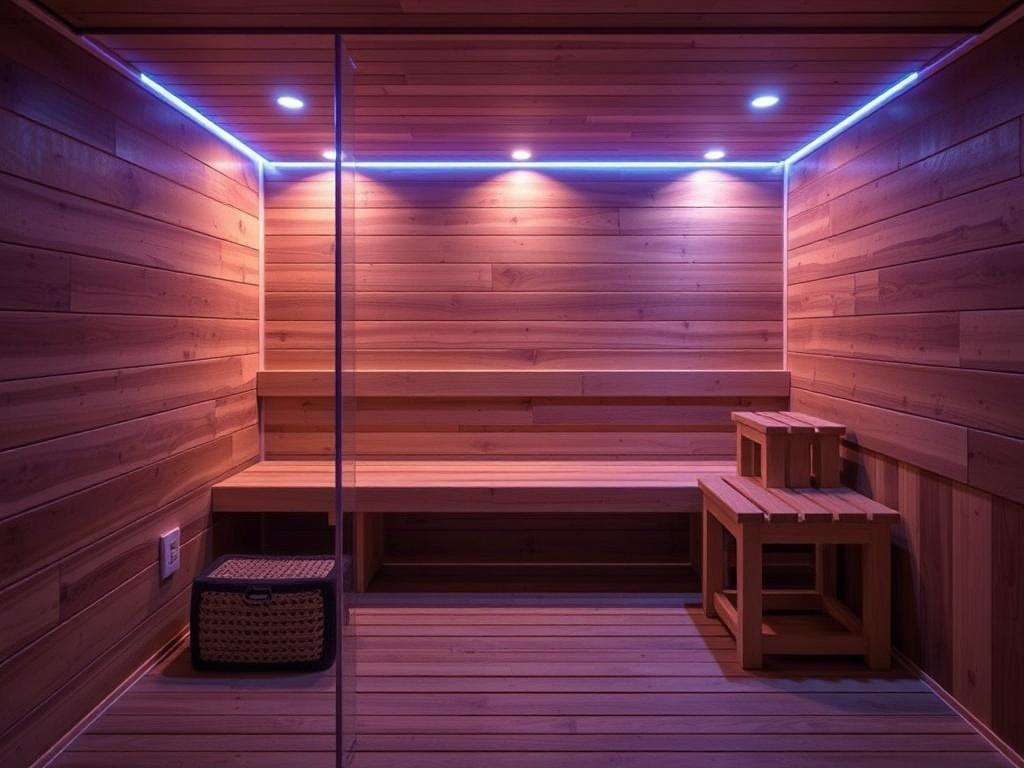
People often ask which is better: infrared or traditional saunas? The answer depends on your preferences and goals. Below is a straightforward comparison to help you weigh the differences.
| Feature | Infrared Sauna | Traditional Sauna (Steam or Dry) |
|---|---|---|
| Heating Method | Infrared panels that emit light waves | Heated rocks, stove, or steam heat the air |
| Typical Temperature | Lower: often 100–140°F | Higher: often 150–195°F |
| Heat Sensation | Penetrating, perceived as deep heat | Surface heat, intense and enveloping |
| Energy Use | Generally lower | Often higher |
| Humidity | Dry | Dry or high humidity if using steam |
| Suitability | Good for those who prefer lower temps or who can’t tolerate extreme heat | Favored for traditional spa experience and intense heat lovers |
Both types can offer similar health responses—raised heart rate, sweating, relaxation—but the subjective experience differs. If you dislike extremely hot rooms, infrared offers a gentler alternative. If you enjoy high-heat traditions and steam, a traditional sauna may be more satisfying.
Choosing the Right Infrared Sauna
Buying or using an infrared sauna is an investment in wellness. Think beyond aesthetics: consider size, heater type, build quality, certifications, and warranty. Here are practical criteria to guide a purchase.
- Heater Material: Carbon heaters provide even heat; ceramic heaters deliver more concentrated warmth. Hybrid designs are common.
- Wavelengths: Full-spectrum units offer near, mid, and far infrared for broader effects; narrow-spectrum units may focus on specific outcomes.
- EMF and ELF Levels: Some buyers are concerned about electromagnetic field exposure. Look for manufacturers that publish EMF and extremely low frequency (ELF) measurements.
- Construction Quality: Solid wood (cedar, hemlock) offers durability and pleasant scent. Check for non-toxic adhesives and finishes.
- Size and Layout: Measure your space and choose a model that fits comfortably. Consider door swing, seating, and ventilation.
- Warranty and Support: Reputable warranties and responsive customer service are worth the price premium.
Installation and Space Considerations
Full-sized saunas require dedicated space, typically on a solid, level floor with access to an electrical outlet. Many models plug into standard household circuits, but larger units may need higher voltage. Portable saunas are minimal to install but offer less comfort. If you’re unsure about electrical work, have a licensed electrician review your plans—cheap improvisation can create hazards.
Maintenance, Cleaning, and Longevity
Keep your sauna clean and functional with routine care. Wipe benches and surfaces after sessions, use a mild, nonabrasive cleaner, and let the unit air dry to prevent mildew. Replace charcoal or carbon-based filters if your model includes them, and follow the manufacturer’s guidance on panel maintenance. Wooden interiors can be lightly sanded and oiled, but avoid harsh chemicals that can off-gas under heat.
Longevity depends on build quality and frequency of use. Heaters may degrade over years; panels sometimes need replacement. Sticking to the maintenance schedule and using your sauna as intended will maximize its life and ensure a safe, pleasant experience.
Cost Considerations

Infrared saunas cover a broad price range. Portable units are usually the most affordable and can be a good way to test whether you enjoy the experience. Full-sized, well-built cabins with quality heaters will cost more upfront but often offer better comfort and durability. Remember to factor in electrical setup, possible delivery and assembly fees, and long-term energy costs when evaluating total expense.
Etiquette and Practical Tips
Whether you use a public sauna or host friends at home, a few simple etiquette tips keep the experience comfortable for everyone. Use a towel to sit on, shower or wipe down before entering, avoid strong fragrances, and limit session length to what’s comfortable. In mixed or public settings, follow local rules about nudity and attire. Bring water and a small timer to keep track of your session without checking your phone and letting moisture in.
What to Wear and Bring
- Towel (or two) for sitting and drying off
- Loose, breathable clothing if you prefer not to be nude
- Water bottle—preferably insulated to stay cool
- Socks or flip-flops for walking to and from the sauna
- Optional: essential oil or a small bowl of herbs for steam in traditional saunas (not typically used in infrared units)
Common Myths and FAQs
Infrared saunas attract their share of myths. Let’s debunk the common ones so you can make decisions based on evidence, not marketing hype.
- Myth: Infrared saunas detoxify the body of heavy metals overnight. Reality: Sweating eliminates trace amounts of certain compounds, but the liver and kidneys remain the primary detox pathways. Sauna sessions can support overall hygiene and circulation, not replace medical detoxification.
- Myth: You’ll lose major amounts of fat by sauna alone. Reality: Any immediate weight loss is mainly from water. Fat loss requires sustained energy deficit through diet and exercise.
- Myth: Infrared saunas are dangerous because of radiation. Reality: Infrared light is a form of non-ionizing radiation—safe in normal exposure ranges used by saunas. Concerns about EMF are valid for some models, so choose a low-EMF option if you’re worried.
- Myth: Higher temperatures are always better. Reality: Comfort and safety trump extremes. Many benefits occur at lower temperatures that are easier to tolerate for longer sessions.
Real-World Use Cases: Who Benefits Most?
Certain groups may find infrared saunas particularly helpful. Athletes appreciate them for recovery and circulation; people with chronic pain often report relief; busy professionals use them to reduce stress and improve sleep; older adults who find vigorous exercise difficult may enjoy the cardiovascular-like stimulus. But benefits vary, and integrating sauna use with medical care, physical therapy, or a fitness plan multiplies potential advantages. The best use case is one aligned with realistic goals—pain management, relaxation, or supplemental recovery—not a cure-all desire.
Integrating Sauna Sessions Into a Wellness Routine
Think of infrared sessions as part of a larger wellness mosaic. Combine them with regular exercise, good sleep hygiene, balanced nutrition, and stress management. Track how you feel across weeks—sleep quality, pain levels, mood, and recovery from workouts. Small, consistent habits produce clearer signals than sporadic, intense exposure.
What to Expect After Your First Sessions
Your first few visits will reveal how your body responds. You may notice more sweat than anticipated, a sense of loosening in tight muscles, improved relaxation, and perhaps mild fatigue as your body adjusts. If you experience dizziness, nausea, or prolonged lightheadedness, stop use and consult a healthcare provider. Many users report cumulative benefits—reduced stiffness and better sleep—after several sessions within a few weeks.
Where to Find Infrared Saunas

Infrared saunas appear in wellness centers, gyms, some yoga studios, cryotherapy clinics, and health spas. Many retailers specialize in home units, and online marketplaces list a wide array of brands and models. If you’re trying a sauna for the first time, visiting a spa or gym offers a low-commitment way to test the experience before buying. When evaluating public facilities, look for cleanliness, clear safety guidelines, and staff who can answer questions about temperature and session length.
Checklist Before Your First Session
- Drink a glass of water 30 minutes beforehand.
- Avoid heavy meals immediately before your session.
- Remove jewelry and contact lenses if advised by facility staff.
- Start with 10–15 minutes at a modest temperature.
- Have a towel and a place to cool down afterward.
- Tell the attendant if you have medical issues or take medications that affect heat tolerance.
Conclusion
Infrared saunas offer a distinctive, often comfortable way to use heat for relaxation, pain relief, and modest cardiovascular stimulation. The technology directs infrared light to warm the body directly, creating deep—but typically lower-temperature—heat that many find more tolerable than traditional saunas. Scientific findings point to benefits for chronic pain, circulation, stress reduction, and recovery, though evidence varies in scale and strength, and sauna use is best seen as a complementary health practice rather than a standalone cure. If you choose to try one, start slowly, stay hydrated, check for medical contraindications, and treat the sauna as part of a balanced wellness routine. With sensible precautions, it can become a restorative ritual that supports both body and mind.

