
Modern Bathhouse Design: Stylish Ideas for the Interior
When a bathhouse stops being purely functional and starts to feel like an invitation, you’ve hit the sweet spot. Modern bathhouse design is about more than wood and heat; it’s a careful choreography of light, materials, and human comfort. Whether you’re updating a home sauna, planning a boutique spa, or imagining a backyard cedar bathhouse, the interior choices you make determine whether the space soothes, energizes, or simply exists. This article walks through the practical and aesthetic decisions that shape contemporary bathhouses, offering concrete ideas you can use right away — from layout diagrams to material lists, from budget options to high-end touches.
Why design matters in a bathhouse
A bathhouse is both a machine and a theater. It must move air, hold heat, and resist moisture; it must also present an environment that encourages relaxation, ritual, and social exchange. Poor acoustics make conversation grating; the wrong wood will darken and warp; thoughtless lighting turns a tranquil steam room into a clinical locker. Good design resolves those functional problems while reinforcing purpose: calm, warmth, health, or community. The result is a space that feels intentional every time you enter it.
What defines “modern” in bathhouse interiors?
“Modern” in this context doesn’t mean cold minimalism alone. It means applying contemporary materials and thinking to traditional typologies. Clean lines and uncluttered layouts are common, but modern bathhouses also embrace layered lighting, hidden technology, sustainable materials, and flexible layouts that accommodate social bathing or solitary rituals. The modern aesthetic blends performance — vapor control, quick drying, durable surfaces — with sensory design: tactile surfaces, warm color palettes, and carefully tuned acoustics.
Core functional elements to plan first
Designing a bathhouse interior begins with function. Before you choose tiles or towel hooks, decide where the heater goes, how steam will escape, and where people will change. A clear functional plan prevents costly retrofits later and gives you a sensible backbone for stylistic choices.
Essential zones
- Entry and changing area — a buffer to prevent heat loss and a place to leave clothes and shoes.
- Washing and shower zone — designed to drain quickly, with non-slip surfaces and privacy options.
- Hot room (sauna/steam) — the core: benches, heater/stove, and materials suitable for sustained heat and humidity.
- Cool-down area or plunge — chairs, benches, or a small plunge pool for contrast therapy.
- Support spaces — mechanical room, storage for towels, wood (if wood-fired), and aromatherapy supplies.
Ventilation and humidity control
Ventilation dictates longevity. The trick is balancing fresh air intake with heat retention. A small passive vent at floor level near the heater and an exhaust vent higher on the opposite wall encourages air movement without letting the room go cold. For steam rooms, an efficient exhaust fan with a humidity sensor keeps condensation from pooling in corners or inside the structure. Materials and finishes must be chosen to tolerate repeated wet-dry cycles; breathable vapor barriers and proper insulation prevent mold and rot.
Choosing materials: durability with character
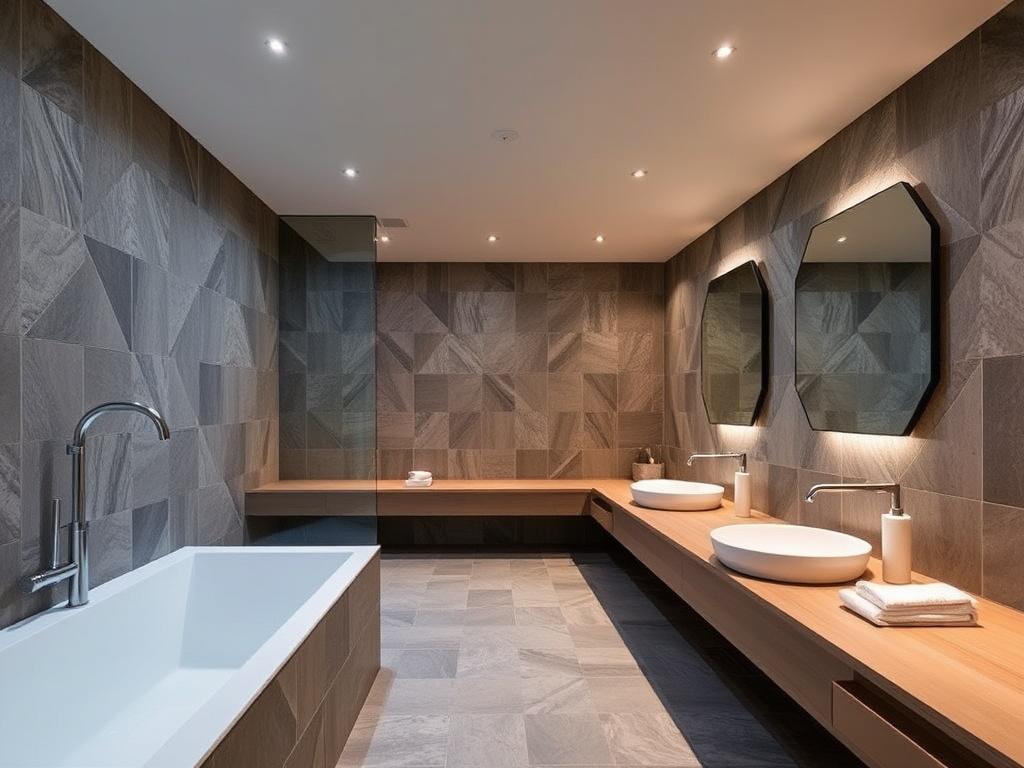
Materials in a bathhouse must handle heat, humidity, and frequent cleaning. But they also set the mood. Choose materials that speak to your design goals while meeting technical demands.
Wood choices and where to use them
Wood is central to many bathhouses because of its warmth and tactile appeal. For sauna benches and interiors, pick low-resin, heat-tolerant species like Nordic spruce, hemlock, cedar, or aspen. Western red cedar resists decay and smells lovely, but it can darken in high heat if not maintained. Aspen and alder stay light and smooth under regular use. For exterior cladding or changing areas you can use more robust woods or wood-look alternatives.
Stone, tile, and cement finishes
Stone and tile offer practical waterproofing and a high-end look. Large-format porcelain tiles with textured surfaces are excellent in shower and wet zones for ease of maintenance and slip resistance. Natural stone, like slate or soapstone, adds tactile richness but requires sealing. Polished concrete can feel modern and soothing, especially when heated with radiant floors, yet it needs to be sealed and textured to avoid being slippery when wet.
Glass and metal accents
Tempered glass doors and partitions help the interior read as spacious while isolating steam. Stainless steel and brushed brass work well for fixtures; they tolerate humidity and add refined contrast to warm woods. Use metal sparingly to keep the space balanced and avoid a clinical feel.
Layout strategies for comfort and flow
A smart layout prioritizes sightlines, privacy, and efficient circulation. Think of heat as a resource you want to conserve. Short distances between the heater and benches reduce heat loss; alcoves and staggered bench levels create cozy niches and varied temperature zones.
Bench configurations
Benches can be linear, L-shaped, or tiered. Tiered benches allow users to select their temperature preference — higher benches are hotter. Leave a comfortable footrest area and ensure that bench heights allow users to sit or recline without bumping knees. Round or chamfered bench edges feel softer and are safer when temperatures are high.
Doors and transitions
Doors to hot rooms should open outward and be gasketed to retain heat. A small vestibule between the changing area and hot room prevents steam from flooding the changing zone. Consider a double-door system for commercial bathhouses to control traffic and maintain temperature control.
Lighting: setting the mood without overheating
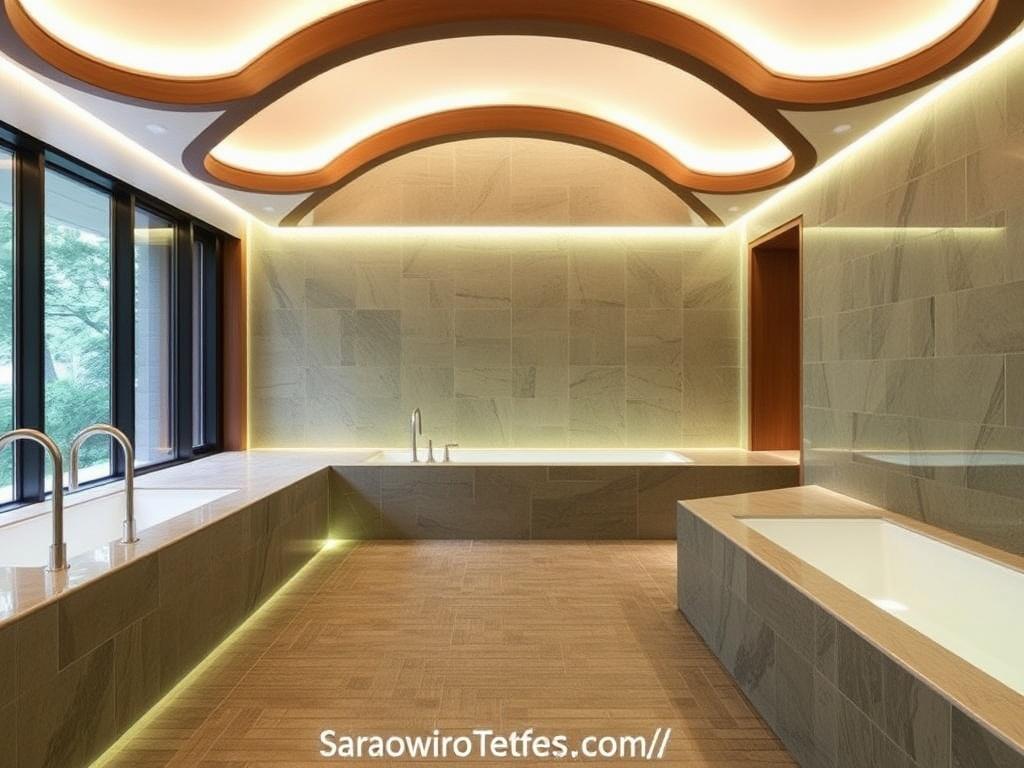
Lighting in bathhouses is about subtlety and safety. Avoid harsh overhead lights. Instead, layer low-glare fixtures with task lighting near showers and accent lighting for architectural features.
Practical lighting choices
- Indirect LED strips beneath benches for a floating effect and safe navigation.
- Warm color temperature (2700K–3000K) to preserve a cozy atmosphere.
- Waterproof, IP-rated fixtures in wet zones; low-voltage systems help with safety.
- Dimmable controls and scene presets for different moods — invigorating morning sessions vs. mellow evening relaxation.
Acoustics and sensory comfort
Hard surfaces reflect sound, which in a small hot room can create unpleasant noise. Use slatted wood, perforated panels, or fabric-treated changing areas to absorb sound. Aromatherapy and sound systems enhance experience: a subtle diffuser near the entrance can release citrus or eucalyptus before a steam session, and hidden Bluetooth speakers provide ambient tracks without visible clutter.
Style directions: curating an identity
The right style gives a bathhouse character and makes it feel intentional. Below are practical guidelines for five reliable aesthetics, each tailored to modern bathhouse constraints.
Light woods, simple geometry, and an emphasis on function. Keep surfaces uncluttered. Use pale aspen or spruce, whitewashed tile, and matte black fixtures for contrast. Minimalism works best with natural light, so consider a frosted skylight or clerestory window to bring daylight without compromising privacy.
Japanese-inspired calm
Borrow restraint from Japanese bath culture: natural materials, tatami-inspired bench patterns, and a focus on ritual. Add a small wooden bucket, a stone wash basin, and sliding partitions. Use warm, subdued lighting and integrate a small plant corner with species that tolerate humidity.
Rustic-modern warmth
Blend reclaimed wood and rough-hewn stone with streamlined fixtures. Exposed timber beams and a stone-clad heater make for a dramatic focal point. Balance the roughness with soft textiles and modern color-block tile in showers for easier cleaning.
Industrial luxe
Concrete floors, black metal, and sensor-operated fixtures give a contemporary edge. To avoid coldness, pair these materials with warm wood benches and plush linen towels. In many industrial designs, the heater becomes a visible design element — consider a tubular stove rust finish for character.
Biophilic and natural
Integrate plants, water features, and natural light to blur the line between indoors and out. Use living walls in changing areas, a pebble floor transition to the hot room, and large windows overlooking landscaped areas where privacy allows. Biophilic design promotes relaxation and can be paired with sustainable material choices.
Heaters and heat management: choosing the right technology
Heaters define the type of bathhouse experience. The decision will influence layout, venting, and maintenance needs.
Electric heaters
Electric sauna heaters are popular for their convenience and compact footprint. They heat up quickly and integrate with digital controls for precise temperature and timer settings. For stone-based heaters, choose stones rated for frequent heating cycles.
Wood-burning stoves
Wood stoves deliver a tactile, traditional experience with a deeper sensory character — crackle, scent, and fluctuating heat. They require a flue, increased clearances, and regular chimney maintenance. In many regions they are subject to stricter building codes and emissions rules, but for the right setting they are unmatched in atmosphere.
Infrared panels
Infrared units warm the body directly at lower air temperatures, making them energy-efficient and suitable for homes where high ambient heat is impractical. They change the feel of the bathhouse: less enveloping steam but a different kind of therapeutic warmth, often preferred for targeted heat therapy.
Fixtures, furniture, and practical accessories
Small details shape daily use. Benches, towel racks, shelving, and hooks must be durable and placed with intention.
Bench design and ergonomics
Rounded edges and gentle slopes improve comfort. Plan bench depth for both sitting and reclining: 48–60 cm works for seating, while deeper benches near 80–90 cm allow comfortable reclining. Use slatted patterns to encourage air flow and faster drying.
Doors, windows, and privacy
Glass doors keep spaces visually open, but frosted options preserve privacy. High, narrow windows work well to admit daylight without compromising insulation. If you include operable windows in hot rooms, ensure they are positioned for safe ventilation and heat control.
Storage and drying
Built-in towel warmers, ventilated cabinets, and hooks placed at reachable heights keep the space organized. Avoid enclosed, non-ventilated cubbies near hot rooms that can trap moisture and encourage mildew.
Safety, codes, and maintenance
Safety is non-negotiable. Electrical systems must use appropriate GFCI protection, all fixtures should meet IP ratings for wet locations, and heating appliances must have certified clearances. Local building codes vary: check permits, flue requirements for wood stoves, and accessibility regulations if the bathhouse will be public or commercial.
Regular maintenance routines
- Ventilate after each session to dry all surfaces and prevent mold.
- Wipe benches and clean grout weekly in busy settings.
- Inspect heaters and chimneys annually and replace sauna stones as recommended.
- Refinish wood surfaces selectively with approved oils to prevent drying and cracking.
Sustainability and energy efficiency
Modern bathhouse design can be surprisingly green. Insulate walls and ceilings with vapor-permeable, moisture-resistant insulation to cut energy losses. Use efficient electric heaters with programmable controls or choose infrared panels for lower running costs. Reclaimed wood and low-VOC finishes reduce embodied carbon and indoor pollutants. For commercial projects, consider heat-recovery ventilation systems to reclaim energy from exhaust air.
Accessibility and inclusive design
Designing for diverse users means considering step-free access, grab rails, and bench heights that suit people with limited mobility. Non-slip surfaces with high traction reduce slip risk for everyone. If you expect older patrons, include seating with supportive heights and clear sightlines to exits. Universal design improves comfort and expands your audience.
Budgeting and phasing a project
Costs vary widely. A simple home sauna retrofit might cost a few thousand dollars if you reuse an existing room and choose an electric heater. A mid-range custom build with quality wood, built-in benches, good ventilation, and a stone shower might run tens of thousands. High-end spa bathhouses with custom stonework, wood-fired stoves, hydrotherapy, and integrated sound systems push into six figures. Decide early which elements are must-haves and which can be phased in later.
Sample budget table
| Project Type | Typical Features | Estimated Cost Range | Pros | Cons |
|---|---|---|---|---|
| Small home sauna retrofit | Electric heater, simple benches, basic ventilation | $2,000 – $8,000 | Low cost, quick install | Limited features, basic aesthetics |
| Mid-range custom build | High-quality wood, tiled shower, better ventilation, smart controls | $10,000 – $40,000 | Balanced quality and cost, durable | Requires professional installation |
| Luxury spa bathhouse | Wood-fired stove, stone finishes, plunge pool, integrated systems | $50,000 – $250,000+ | Exceptional experience, long-term value | High initial cost, maintenance intensive |
Case studies and layout examples
Here are three concise scenarios to help you visualize options and trade-offs.
1. Backyard cedar bathhouse (small)
Footprint: 8 m². Features: single wood-fired stove, one-tier benches, small changing alcove, frosted glass door. This design focuses on ritual and atmosphere. Because space is limited, benches wrap the heater on two sides and a small exterior overhang shelters users as they transition to the outdoors. The stove becomes the focal point; use heat-resistant stone behind it for protection and character.
2. Home wellness suite (medium)
Footprint: 18–25 m². Features: electric sauna, tiled steam/shower room, cool-down seating, towel warmers, integrated audio. This layout separates wet and dry zones for flexibility and couples a sauna with a cold shower for contrast therapy. Use radiant heated flooring in the shower and changing area for added comfort.
3. Boutique spa (large)
Footprint: 60+ m². Features: mixed saunas (wood, infrared), communal cold plunge, lounge, private washing bays, staff support room. Prioritize durable finishes and commercial-grade ventilation. Design the circulation so guests flow from warm to cool spaces without backtracking. Use a central courtyard or planted atrium to provide natural light and a visual focal point.
DIY vs. professional construction: deciding who builds
DIY improves affordability but increases risk if you’re unfamiliar with heating, ventilation, and electrical work. Simple kits are available for smaller projects and can deliver satisfying results for hobbyists. For anything involving wood stoves, structural alterations, or commercial use, hire professionals. A qualified contractor will handle permits, ensure code compliance, and typically deliver more predictable results in moisture-prone environments.
Trends shaping the future of bathhouse interiors
Several trends are reshaping bathhouse design right now. Smart controls let users preheat spaces remotely and select personalized heating profiles. Biophilic elements and natural illumination are being adopted to make bathhouses feel less like sealed boxes. Hybrid spaces that combine cold therapy, infrared cabins, and warm saunas in a single suite are becoming popular in wellness centers. Finally, sustainability is gaining ground: efficient electric heaters, reclaimed materials, and heat recovery systems are mainstreaming across both private and commercial builds.
Practical checklist for starting your project
- Define purpose: personal relaxation, therapeutic use, or commercial service?
- Decide core technology: electric, wood-fired, or infrared.
- Sketch zones: entry, washing, hot room, cool-down.
- Consult local codes and check permit requirements early.
- Choose materials that tolerate humidity and heat; prioritize ventilation solutions.
- Plan lighting and acoustics for comfort and safety.
- Budget realistic cost ranges and decide what to phase later.
- Hire professionals for mechanical, electrical, or structural work.
- Plan a maintenance schedule to extend life and ensure safety.
Common mistakes to avoid
A few design missteps recur in bathhouse projects. Avoid using decorative wood that bleeds resin when heated, which smells unpleasant and can stain. Don’t skimp on ventilation; short-term savings lead to long-term repair costs. Over-illumination kills atmosphere; opt for multiple low-level sources instead of a single bright fixture. Finally, neglecting access and safety features limits usability — plan for everyone who might use the space.
Maintenance and long-term care
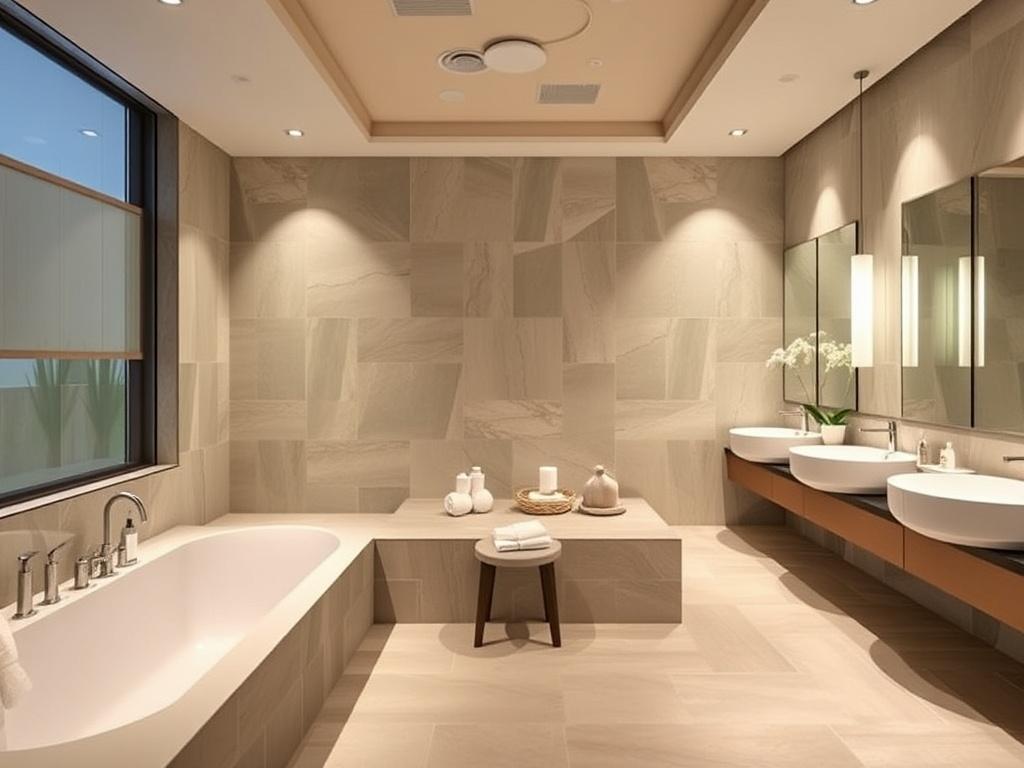
A little care goes a long way. Rinse and dry benches and floors after heavy use. Use gentle, non-abrasive cleaners to protect wood and sealants. Replace sauna stones that show cracks or crumble; they hold heat and if compromised they reduce efficiency and may damage heaters. Schedule annual checks for heaters, electrical systems, and any chimneys. Reapply oil finishes as needed to prevent wood from drying and splitting.
Finishing touches that make a difference
Small design details elevate daily experience. A well-placed towel warmer, a teak bucket and ladle, simple wooden headrests for reclining, and snag-free storage baskets maintain order and aesthetics. Consider textural contrasts: smooth stone floors, slatted wood benches, and soft textiles in changing areas. Even small gestures — a scent program with natural essential oils, or a curated playlist — can turn an ordinary session into a ritual people remember.
Where to find inspiration and resources
Look at a mix of sources: traditional Finnish saunas for layout and ritual; Japanese sento and onsen for restraint and material palettes; contemporary spa design for technology and systems integration. Industry associations, local contractors specializing in wet spaces, and manufacturer guides for heaters and waterproofing systems are practical resources. Visit completed projects where possible to see how materials age over time before committing.
Conclusion
Designing a modern bathhouse interior is a balance of engineering and hospitality — the technical demands of heat and moisture meet the quieter work of shaping mood and ritual. Start with the functional zones and a clear decision about heating technology, then choose materials that meet those needs while reflecting the atmosphere you want: bright and minimal, warm and rustic, refined and quiet. Pay attention to ventilation, lighting, and acoustics; these often determine whether a space feels inviting or merely functional. With careful planning, sustainable choices, and a few well-loved finishing touches, your bathhouse can be a daily refuge, a social hub, or a boutique destination that ages gracefully and keeps people coming back.

