
Wood-Burning or Electric Bathhouse: Which Heat Fits Your Ritual?
Deciding between a wood-burning stove and an electric heater for your bathhouse feels a bit like choosing between two different kinds of music: both can move you, but they do it in distinct ways. One is raw, tactile, and rooted in ritual; the other is precise, quiet, and modern. If you’re planning, renovating, or simply daydreaming about a better steam session, this article walks you through the differences, practicalities, and sensory trade-offs so you can make a clear choice that suits your space, budget, and the kind of bathhouse experience you want to create.
What People Mean by “Bathhouse”
“Bathhouse” covers a range of bathing traditions and structures: a rustic backyard banya, an urban sauna in a condo, a purpose-built outbuilding, or a dedicated room in a home. Depending on the culture, climate, and materials, bathhouses vary widely in size, insulation level, and expected use. What matters for our comparison is the heat source: stoves that burn wood and require chimneys, versus electric heaters that plug into your home’s power or a dedicated supply. Each type affects temperature behavior, moisture control, installation complexity, and the feel of the bath itself.
Who Uses Which—and Why
People who choose wood tend to value atmosphere and the whole sequence: building a fire, watching flames, smelling smoke, and tending coals. It’s a ritual as much as a heating method. Electric users generally prioritize convenience, repeatability, and lower hands-on maintenance. They want the sauna ready at the flip of a switch and appreciate predictable temperature control. Neither choice is objectively superior; it depends on whether you prize ceremony and sensory depth or predictability and ease.
How Heat Feels: Temperature, Humidity, and Stones
Heat is the heart of the bathhouse experience. The same numerical temperature can feel very different depending on humidity and how heat is delivered. Wood stoves typically heat stones directly over a fire, giving intense, radiant heat and a distinctive burst of steam when water is thrown on the stones. Electric heaters usually heat stones stored in a cage around elements, producing steadier, more even temperatures with fewer hot spots.
Humidity and the “Löyly” Effect
One of the signature sensations in saunas is löyly—the steam that rises when water contacts hot stones. Wood-burning stoves can produce vivid, short-lived löyly: a blast of humid heat followed by a quick cooldown. Electric heaters produce gentler, sustained steam, making the environment feel more consistent. If you like quick, dramatic steam sessions and the ritual of ladling water, wood is often more satisfying. If you prefer steady humidity and easier control, electric wins.
Installation and Space Considerations
Stove installation dictates much of the project scope. A wood-burning stove requires a chimney or flue, a hearth, clearances for combustible materials, and often thicker walls or more robust venting. You also need a safe place to store fuel. In contrast, electric heaters need a proper electrical circuit—sometimes a dedicated high-amp line—and secure mounting, but they avoid chimneys and fuel storage. For small urban bathhouses or multi-unit buildings, electric heaters are often the only feasible option because of smoke, venting, and local codes.
Retrofitting vs. New Builds
If you’re retrofitting an existing room, electric heaters are easier to work into limited spaces and modern building envelopes. Wood-burning options may be possible, but expect higher costs and potentially structural changes to accommodate flues and hearths. New constructions give you more freedom to design for either heat source—build the chimney properly, or wire a heavy-duty circuit in advance—and usually end up cheaper than retrofits when judged over the total lifespan.
Costs: Upfront, Operating, and Long-Term
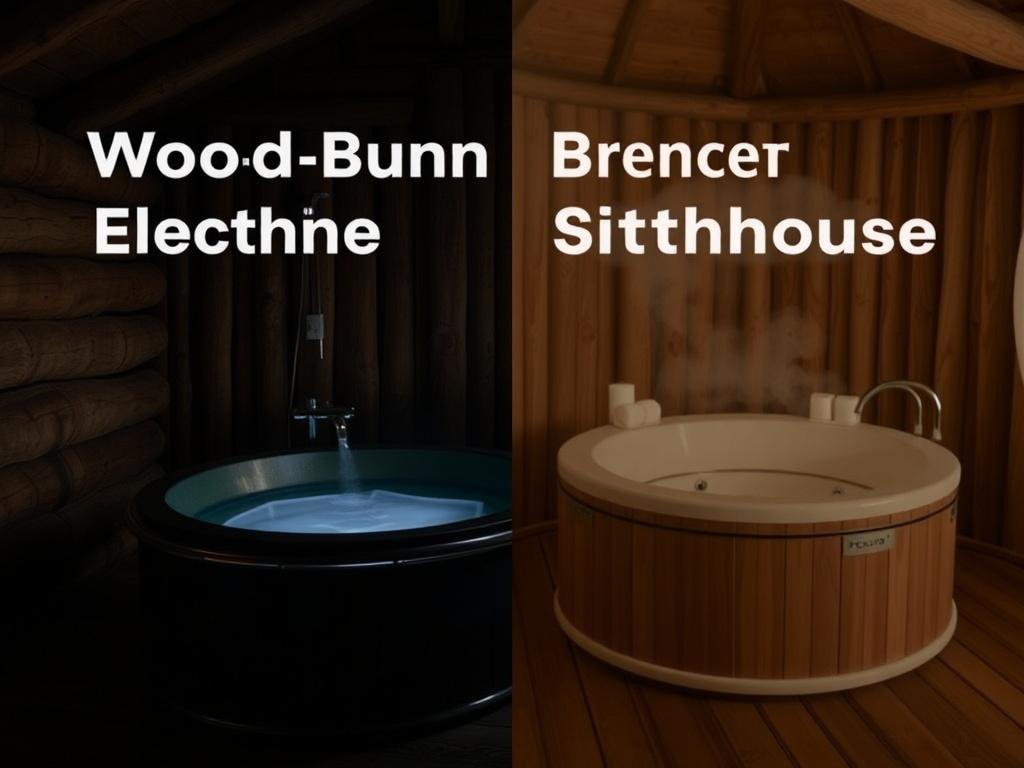
Money plays a big role in the decision. Upfront costs and operating expenses differ markedly between wood-burning and electric systems, and the best option financially depends on local fuel prices, electricity rates, and how often you use the bathhouse.
| Cost Area | Wood-Burning Stove | Electric Heater |
|---|---|---|
| Initial Purchase | Range: moderate to high (stove, chimney, hearth) | Range: low to moderate (heater unit, wiring) |
| Installation | Higher—chimney, clearances, possible structural work | Lower—electrical work; may need a dedicated circuit |
| Operating Cost | Variable—depends on wood cost; can be low if self-supplied | Predictable—depends on electricity rates; usually higher per hour |
| Maintenance | Higher—chimney cleaning, ash removal, occasional repairs | Lower—inspections, occasional element replacement |
| Lifespan | Long if maintained; stoves are durable | Heaters last many years but elements and controls wear |
In many rural areas where wood is plentiful, wood heating can be cheaper over time. If you buy wood commercially or live in a place with high electricity costs, compare the dollars per hour of heat for realistic use patterns. Also account for the non-monetary cost of time: splitting, stacking, and managing wood is labor; flipping switches and pushing buttons is not.
Hidden Costs and Value
Don’t forget insurance implications, chimney inspections, and potential code requirements. In some municipalities, wood-burning bathhouses may drive up insurance premiums or face stricter safety standards. Conversely, electric setups might require a significant electrical upgrade in older homes—perhaps a new subpanel or even service increase—that can change the math significantly.
Environmental Impact
Environmental concerns are more complex than “wood is green, electricity is bad.” Wood is a renewable resource when harvested sustainably, and local wood use can have a small carbon footprint compared with fossil-fuel electricity. But smoke from inefficient stoves releases particulate matter and volatile organic compounds that affect air quality. Modern, EPA-certified wood stoves burn cleaner, reducing some emissions compared to older models.
Electricity’s environmental footprint depends entirely on how that electricity is generated. If your grid is dominated by coal or natural gas, electric heating has a larger upstream carbon cost. If your electricity comes from renewables, an electric heater can be an environmentally cleaner choice. For many owners, the best step is to consider a cleaner-burning wood stove or to pair an electric heater with a renewable electricity plan.
Maintenance, Reliability, and Longevity
Maintenance is where the choices reveal personalities. Wood stoves demand regular chores: ash removal, flue sweeping, checking for creosote, and periodic inspection of masonry or metalwork. They are forgiving in some ways—mechanically simple and often reparable—but neglect leads to soot, smoke, or dangerous chimney fires.
Electric heaters are mechanically simpler in daily use: a periodic check for loose wiring, replacement of elements after years of use, and ensuring the control panel functions. They aren’t subject to chimney creosote or sparks, which reduces some safety risks. However, they can fail without warning if electrical components burn out, and repairs may require specialized parts or electrician service.
Parts and Service
Replacement parts for electric heaters—elements, thermostats, controllers—are generally available, and technicians can replace them. Wood stoves may need replacement of stove doors, seals, grates, or firebrick. Many stove owners appreciate that wood furnaces can often be maintained with basic tools and straightforward parts, giving a sense of self-sufficiency.
Safety and Codes
Both systems require respect for safety. Wood-burning stoves pose a fire risk if clearances are not observed or if the chimney is improperly installed or not cleaned. Spark arrestors, heat shields, and proper hearths are non-negotiable. Electric heaters reduce fire risk from sparks, but overloaded circuits and improper wiring can still cause house fires.
- Inspect chimneys and flues yearly for wood-burning setups.
- Use carbon monoxide detectors and smoke alarms near the bathhouse.
- Install a dedicated circuit with proper breaker sizing for electric heaters.
- Maintain clearances to combustible materials for both stove and heater.
Local codes often govern what you can install. In multi-unit buildings or areas with strict air-quality standards, wood stoves may be prohibited or require additional approvals. Always consult local building departments and your insurance company before committing.
Control, Convenience, and Scheduling
How you like to use your bathhouse shapes which system will suit you. Electric heaters give predictability: set a timer or thermostat, and the room comes up to temperature on schedule. This works well for spontaneous use or when multiple people want short, consistent sessions. For those who want precise temperature holds for long sessions, electric control systems can be very effective.
Wood-burning systems are less predictable. They demand planning—starting the fire well before you intend to bathe and tending the flames to keep temperature steady. Many enthusiasts enjoy this: the warm-up process is part of the social ritual. Yet for busy households or sporadic users, the preparation time can be a drawback.
Automation and Smart Features
Electric heaters integrate well with timers, remote controls, and smart home systems. You can preheat the bathhouse from a phone and maintain exact settings. Wood stoves resist automation—you can’t schedule a fire to start itself without complex, often unsafe machinery—so they remain inherently manual. For some, that manual nature is therapeutic; for others, it’s impractical.
Acoustic and Olfactory Differences
It’s surprising how much sound and smell influence the experience. Wood-burning stoves bring the crackle of flames and the faint scent of smoke and resin filtered through the sauna wood. These cues deepen the sensory experience and can feel more “authentic.” Electric heaters are quiet and odorless, letting the scent of heated wood benches and steam dominate without smoke. If you prefer a calm, quiet environment, electric heaters are better; if you want the soundtrack of fire, choose wood.
Design, Materials, and Aesthetics
Stove choice affects interior design. Wood stoves are focal points—often robust, cast-iron fixtures that demand a hearth and non-combustible backdrops. They influence bench placement because radiant heat can create hot zones. Electric heaters are less obtrusive, letting you emphasize clean lines, integrated cabinetry, or unconventional layouts. You can tuck an electric heater behind a bench or install recessed units that are almost invisible.
Stone Selection and Placement
Stone quality matters. Sauna stones store and radiate heat; they affect steam quality. Wood stoves favor larger stones that can take intense, direct flame and radiate large bursts of heat. Electric heaters may use smaller stones packed around elements for quicker, more controllable steam. Whatever you choose, use stones designed for saunas to avoid cracking and to maintain safety.
Urban, Suburban, and Rural Contexts
Your location often narrows the choices. Rural homeowners with land might prefer wood because fuel is cheap and smoke won’t upset neighbors. Urban residents face stricter rules and closer neighbors; electric heaters reduce smoke and compliance headaches. Suburban settings are the gray area—some properties can handle a wood stove, others can’t because of covenants or local air-quality rules. Factor neighborhood expectations and legal restrictions into the decision early.
Choosing Based on Use Patterns
Match the heat source to how frequently and in what pattern you use your bathhouse. For daily, short sessions—early-morning or late-night rituals—electric heaters are more convenient. For weekend gatherings, long social bathing sessions, or cultural rituals involving extended heat cycles, wood-burning stoves help create rhythm and atmosphere. Think about who uses the bathhouse most, for how long, and how much time they’re willing to invest in preparation and maintenance.
Case Scenarios: Which Is Best When
Sometimes practical scenarios clarify the choice:
- Small apartment sauna: Electric—no chimney, manageable power upgrade, neighbors unaffected.
- Remote cabin banya: Wood—fuel plentiful, off-grid independence, robust heat and ritual value.
- Family home with frequent short sessions: Electric—set and forget, predictable warm-ups.
- Weekend retreat used for long sessions and social bathing: Wood—enhances social ritual and provides richer steam dynamics.
Practical Checklists
Below are compact checklists to guide planning and installation discussions with contractors.
Wood-Burning Bathhouse Checklist
- Confirm zoning and local code allowance for wood-burning stoves.
- Select an EPA-certified stove if emissions are a concern.
- Plan chimney type, flue size, and masonry or metal liner.
- Design safe clearances and non-combustible hearths.
- Arrange weatherproof and dry wood storage with proper ventilation.
- Budget for annual chimney cleaning and biannual inspections.
- Choose appropriate sauna stones and a robust stove with easy access for maintenance.
Electric Bathhouse Checklist
- Check main service capacity and plan for a dedicated circuit if required.
- Choose heater size based on room volume and bench configuration.
- Decide on timer, thermostat, or remote control options and their integration.
- Ensure proper ventilation and moisture-resistant wiring and breakers.
- Plan for periodic element replacement and safe mounting clearances.
- Consider pairing with a renewable electricity plan if environmental concerns are important.
Common Myths and Misconceptions
Let me clear a few recurring myths. Myth: Wood is always cheaper. Not universally true—if you buy wood at market rates or if deforestation is part of the supply chain, costs can rise. Myth: Electric saunas don’t give “real” steam. False—well-designed electric heaters deliver excellent steam; it’s just a different character of steam than direct-fire systems. Myth: Wood stoves are risky and primitive. Also false—properly installed wood stoves with modern safety features are safe and effective. Dispelling these myths helps you make a choice based on facts, not folklore.
Comparison Summary Table
| Feature | Wood-Burning Stove | Electric Heater |
|---|---|---|
| Sensory Experience | Rich, smoky, crackling, dramatic steam | Quiet, clean, steady heat |
| Installation Complexity | High—chimney, hearth, clearances | Moderate—electrical work, dedicated circuit |
| Operational Control | Manual, variable | Automated, precise |
| Maintenance | Frequent—chimney, ash, stove care | Low—electrical checks, element replacement |
| Environmental Considerations | Renewable potential, local emissions | Depends on grid mix |
| Best For | Ritual, social bathing, rural locations | Urban, convenience-focused, short-session use |
Questions to Ask Before You Buy
When you’re ready to talk with suppliers or contractors, ask these targeted questions to avoid surprises:
- What heater size matches my bathhouse volume and bench layout?
- What clearances and floor protections are required by code?
- What are the long-term maintenance obligations and service intervals?
- Can the wood stove model be fitted with modern emission controls?
- What electrical upgrades will be necessary for an electric unit?
- What warranty and support does the manufacturer offer?
Hybrid Solutions and Alternatives
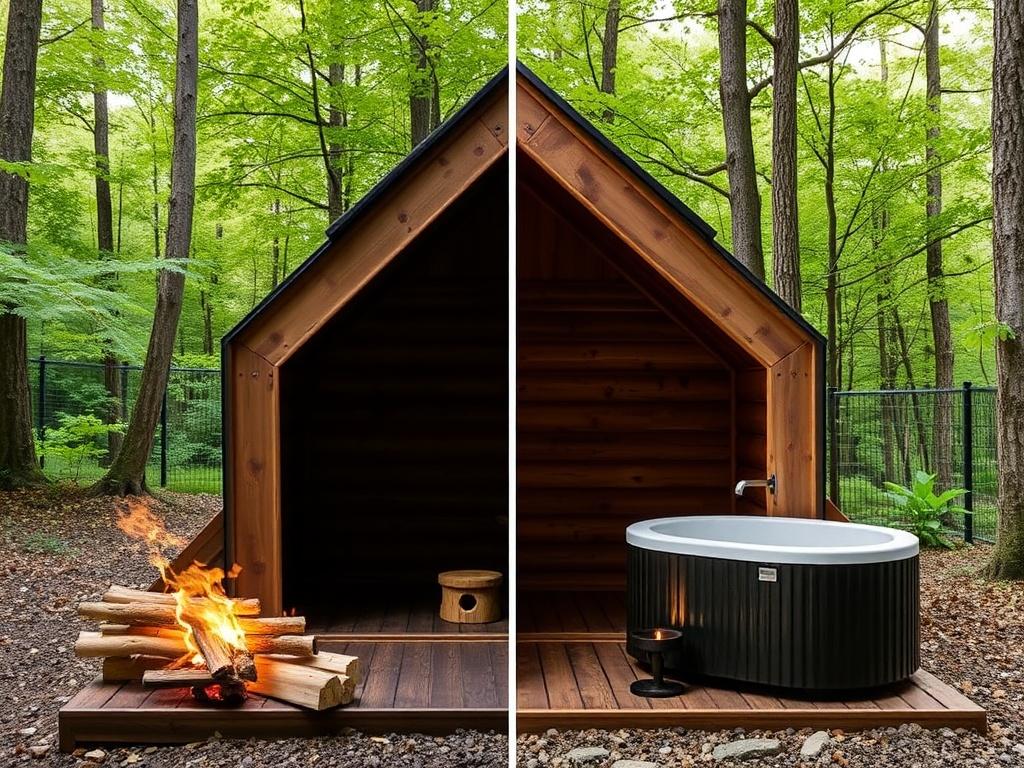
Not every installation must be strictly wood or electric. Some owners combine both: a wood stove for occasional ritual sessions and an electric heater for quick warm-ups or times when tending a fire isn’t practical. Hybrid approaches add complexity and cost, but they also deliver flexibility: preserve the ritual while keeping convenience at hand.
There are also alternative heat types—infrared panels that heat objects more than the air, or gas-fired units that sit somewhere between wood and electric in terms of feel and installation needs. Each alternative has its own pros and cons, but the primary comparison remains wood versus electric for traditional steam bathhouses.
Maintenance Schedule Examples
Here’s a simple, realistic maintenance routine you can adapt to your usage pattern.
- After every session (wood): remove ash, check stove glass and seals.
- Monthly (both): inspect stones, benches, and ventilation paths.
- Annually (wood): sweep the chimney, inspect flue liner, and replace worn firebrick.
- Annually (electric): test thermostat accuracy, inspect wiring, and check element resistance.
- Every few years (both): replace damaged or cracked stones and check bench fastenings.
Final Practical Tips
If you can, visit a friend’s wood-fired and electric bathhouse before committing. Sense matters: smell, sound, and the way steam behaves tell you more than spec sheets. When buying a wood stove, opt for one that is sized correctly rather than oversized. With electric heaters, resist under-sizing—they’ll struggle to maintain heat, leading to poor timber longevity and disappointing sessions. Always match stone type to your heater, follow clearances, and prioritize safety devices like carbon monoxide detectors where combustion is present.
Conclusion
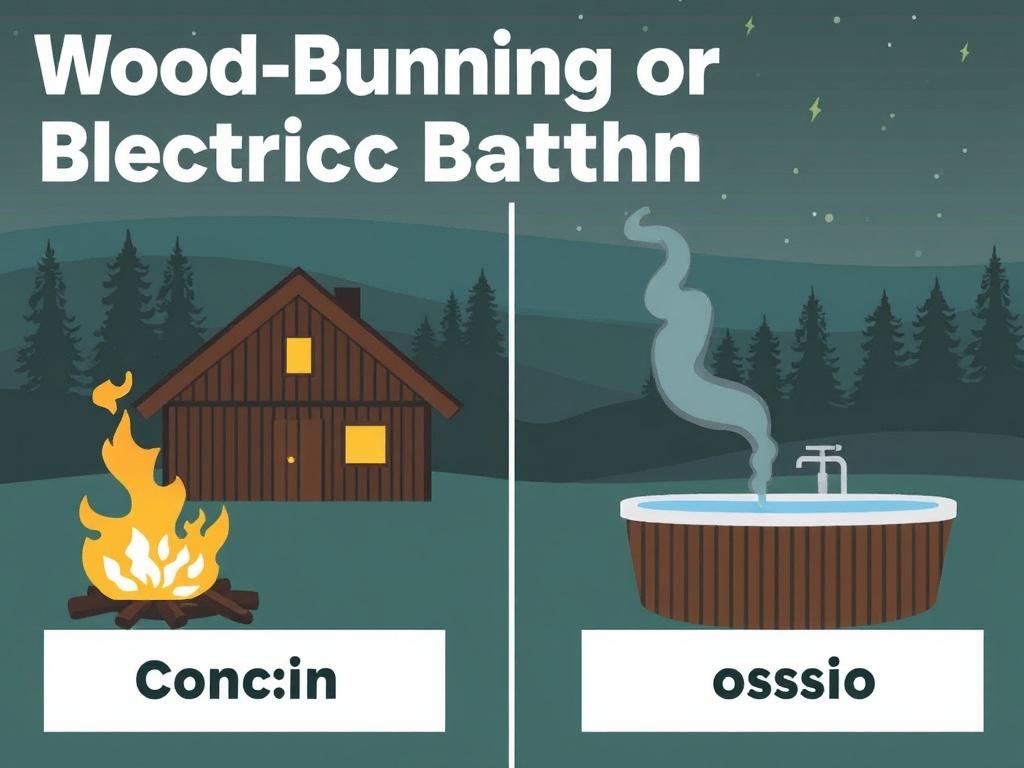
Choosing between a wood-burning stove and an electric heater comes down to priorities: ritual and sensory richness versus convenience and control; upfront installation complexity versus predictable operation costs; the charm of flame and smoke versus the cleanliness and quiet of electricity. Consider your location, local codes, fuel availability, use patterns, and how much time you want to spend maintaining the system. If you cherish the tactile, social, and ceremonial side of bathing, and you have space and permission, a wood-burning stove will reward you with character and dramatic steam. If you want a fuss-free, repeatable, and often safer system that fits into tight spaces or urban settings, an electric heater will serve you well. Either way, careful planning, correct sizing, proper stone selection, and routine maintenance will ensure your bathhouse delivers warmth, relaxation, and moments worth remembering for years to come.

