
Bathhouse for Mental Health: Relieving Stress and Finding Deep Relaxation
Stepping into a bathhouse is more than changing temperature; it’s stepping into an old, human habit of using water and heat to steady the mind. In our wired, always-on world, places that invite us to slow down and surrender to warmth feel almost radical. Yet bathhouses are not just about comfort. Across cultures and centuries, people have used heat, steam, ritual, and community to reduce stress, calm anxiety, and reset mental rhythms. This article walks you through how that works, why it matters, and how to make a bathhouse practice part of a thoughtful mental-health routine.
The idea here is practical and adaptable. You will read about the science behind heat and the nervous system, the different types of bathhouses—from Finnish saunas to Japanese onsens and Turkish hammams—and specific steps to build a restorative session. I’ll cover safety, etiquette, how to pair bathing with breathing and mindfulness, and ways to bring the benefits home if a public bathhouse isn’t nearby. Think of this as a map: historical background, practical instructions, and an invitation to experiment, not dogma.
What is a bathhouse—and why does it feel like medicine?
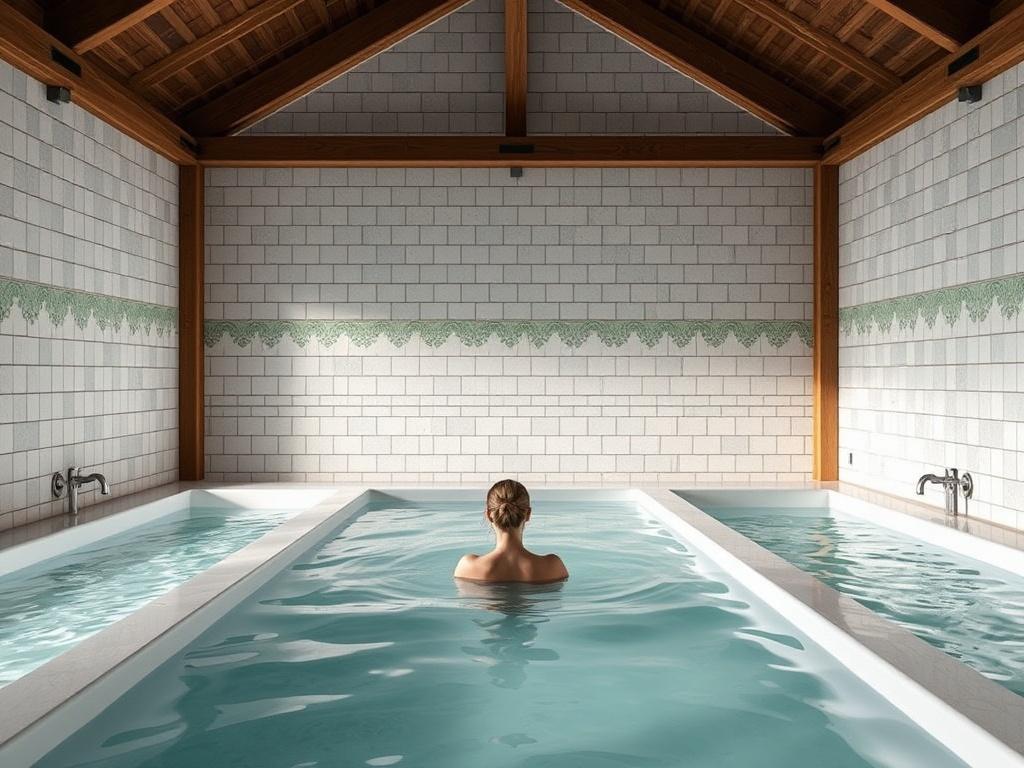
A bathhouse is, at its simplest, a place designed to immerse people in controlled heat, humidity, or water together with ritualized behaviors: alternating hot and cold, social exchange, cleansing, and rest. The architecture and cultural rules vary widely, but the core elements remain: heat, touch (from water or steam), and time set aside for slowing down. These ingredients interact with the body in predictable biological ways that influence mood, stress hormones, and sleep patterns.
Historically, public bathing served civic and social functions as much as cleanliness. Roman baths were social hubs; Ottoman hammams were interwoven with daily life and rites of passage; Japanese onsens offered quiet reflection and connection with nature. In colder climates, the sauna became a crucible for social bonding and health. Across these traditions, people noticed benefits long before modern physiology could explain them: tension eased, sleep improved, and conversations grew more honest. Today, research is beginning to explain the mechanisms behind those felt experiences.
Types of bathhouses and what they offer
Different styles of bathing produce different physiological responses and psychological atmospheres. Choosing the right environment depends on your tolerance for heat and humidity, your health, and the kind of mental reset you want.
| Type | Typical Temperature & Humidity | Experience & Psychological Tone | Common Rituals |
|---|---|---|---|
| Finnish sauna (dry) | 70–100°C; low humidity | Invigorating, meditative, communal | Short heat sessions, cold plunge or shower, social chat, rest |
| Steam room / Hammam (wet) | 40–50°C; near 100% humidity | Heavy, enveloping warmth; sensory cleansing | Full-body wash, exfoliation, slow breathing |
| Japanese onsen (hot spring) | 38–43°C; mineral-rich water | Quiet, restorative, nature-oriented | Soak, quiet reflection, sometimes social silence |
| Russian banya | 60–90°C; moderate humidity | Robust, communal, ritualized | Venik (leaf massage), alternation with cold, chatting |
| Home hot tub or bath | 37–40°C (tub); variable for hot tub | Private, customizable, therapeutic | Epsom salts, aromatherapy, reading, music |
This table is a compass, not a rulebook. Some people thrive in dry, hot saunas; others prefer the heavy embrace of steam. The important part is matching the environment to your comfort and your intention—whether that’s stress release, social connection, or quiet reflection.
How heat and water influence the nervous system
To understand why a bathhouse can soothe anxiety, you need a sketch of the body’s stress systems. The sympathetic nervous system is the “fight-or-flight” arm, mobilizing heart rate and energy. The parasympathetic system is the “rest-and-digest” counterpart. Heat exposure, particularly steady, moderate heat, encourages parasympathetic activation: heart rate variability can improve, breathing slows, and the body produces endorphins and oxytocin-like responses that create calm and a sense of well-being.
At the same time, heat increases blood flow and dilates blood vessels, which eases muscle tension. Warmth also raises core temperature slightly; afterwards, as you cool down, the drop in firing rate can promote sleepiness. Short bursts of controlled heat interspersed with cool exposure—contrast therapy—challenge the body in ways that can leave the mind clearer and more resilient to stressors.
Hormonal changes occur too. The body releases endorphins in response to heat, and some studies suggest reductions in cortisol, the stress hormone, following regular sauna bathing. While the exact pathways are complex, the net effect feels familiar: the knotted jaw softens, breath becomes deeper, and intrusive thoughts often quiet.
Mental health benefits supported by evidence and experience
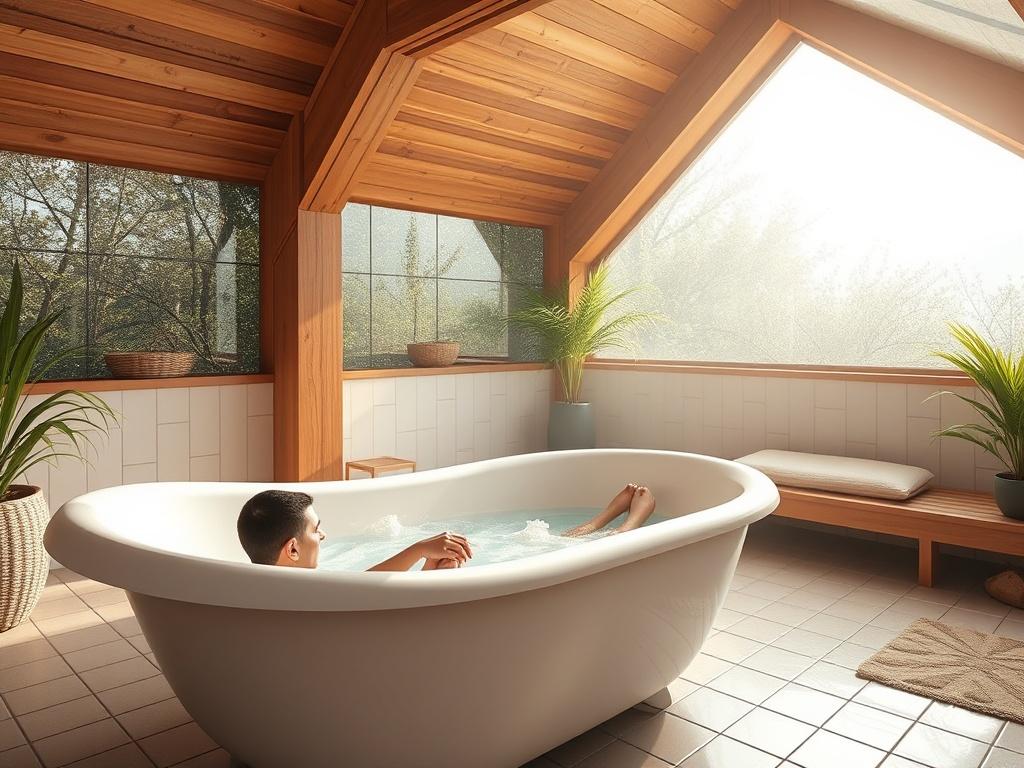
The mental health advantages of regular bathing are a mix of neurobiology, behavioral patterns, and cultural context. Below are the commonly observed benefits, followed by practical notes about who might see the most change.
– Stress reduction and lowered anxiety: The combination of warmth, rhythm, and breathing reduces physiological arousal. People report lowered anxiety symptoms after sessions and greater capacity for handling daily stressors over time.
– Improved sleep: Heat exposure, especially in the evening, can shift circadian cues by promoting a later fall in core body temperature, which helps with falling asleep and deepening slow-wave sleep.
– Mood enhancement: Endorphins, improved circulation, and the arrival of a restful state contribute to better mood. For some, repeated sessions yield a sustained lift in baseline mood.
– Cognitive clarity and recovery: Post-bathing, many people describe improved focus and creative thinking—likely the result of reduced stress and a clearer mental landscape.
– Social connectedness: Communal bathing carries social benefits—shared vulnerability, conversation, and a sense of belonging that protects against loneliness and its mental-health harms.
It’s important to be cautious in phrasing: bathhouses are not a replacement for professional mental-health treatment. They are a complementary tool. For mild-to-moderate stress, as an adjunct to psychotherapy or medication, and as preventive self-care, bathhouse practices can be powerful.
What the research says (in broad strokes)
Clinical and epidemiological studies are growing. Research in colder-climate populations has associated frequent sauna use with lower risks of certain cardiovascular conditions and with improvements in mood and depressive symptoms. Trials examining steam and hydrotherapy report benefits for anxiety and sleep, though study sizes and methods vary. Mechanistic studies point to changes in autonomic balance, reductions in inflammatory markers, and neurochemical shifts after heat exposure. The emerging picture supports what cultures have long practiced: regular, controlled bathing can be therapeutic alongside other evidence-based treatments.
Social and ritual aspects: why context matters
Heat alone helps, but the cultural frame amplifies the effect. Ritual and predictable sequences—prepare, enter, stay, cool, rest—give the mind predictable anchors. Ritual lets your brain relax because it knows what to expect. Communal practices add another layer: talking, silence, and shared routines foster trust and belonging. Privacy can be restorative too; a private soak with intentional breathing can be just as effective for someone who prefers solitude.
Rituals also create discontinuity from daily stress. The act of preparing (packing a towel, switching off the phone, choosing a time) signals to the brain that this is “outside ordinary time,” making it easier to disengage from habitual worry. That psychological boundary—between work and bathing time—is part of the therapeutic effect.
How to use a bathhouse for maximum mental-health benefit
A practiced bathhouse session is intentional. Below is a step-by-step routine adaptable to any setting. Start conservatively and adjust to your tolerance and health needs.
- Preparation: Hydrate, avoid heavy meals just before, and remove jewelry. Bring a towel, water bottle, and a quiet mind.
- Entry: Spend 5–10 minutes in low heat to ease in, especially if new to bathing. Sit or lie comfortably.
- Heat session: Stay in for 8–15 minutes if you’re a beginner; longer only if you feel comfortable. Focus on slow, even breathing—nose in, mouth out—allowing your breath to lengthen.
- Cooling: Follow with a cold shower, plunge, or cool air for 30 seconds to 2 minutes. You don’t have to plunge; a brisk cold shower works fine.
- Rest: After cooling, rest seated or reclined for 10–20 minutes. This is often when the deepest relaxation occurs.
- Repeat: Do 1–3 cycles depending on energy and tolerance. End with a longer rest period and hydration.
- Aftercare: Hydrate again, avoid immediate strenuous activity, and plan gentle sleep if it’s evening.
If you’re visiting a public bathhouse, watch local etiquette: some cultures encourage silence; others favor light conversation. Observe norms and let your session be part of the shared rhythm.
Breathing and mindfulness practices to enhance the effect
Combining breath and attention with heat deepens the mental-health payoff.
- Box breathing: Inhale 4 counts, hold 4, exhale 4, hold 4. Repeat 3–5 times to settle the nervous system.
- Body scan: Move attention from toes to head, noting sensations without judgment. Heat makes body sensations vivid—use them as an anchor.
- Paced exhalations: Lengthen the out-breath to stimulate the parasympathetic system; try inhaling 3 seconds, exhaling 6.
- Sensory labeling: Name one sensory detail—“warmth,” “salt,” “wood smoke”—to pull attention away from anxious rumination.
Pairing short guided meditations with a soak can be transformative. Even two minutes of focused breathing in the heat shifts physiology.
Safety, contraindications, and practical cautions
Bathhouses are restorative for many, but they’re not universally safe. Heat challenges cardiovascular function, so take precautions.
- Hydration: Drink water before and after. Heat makes you sweat and lose fluids rapidly.
- Avoid alcohol: Alcohol impairs judgment and increases dehydration risk in heat.
- Medical conditions: People with uncontrolled high blood pressure, recent heart attacks, unstable angina, severe aortic stenosis, or certain arrhythmias should consult a clinician before using saunas or hot tubs.
- Pregnancy and menstruation: Pregnant people should check with their provider; very hot temperatures are generally discouraged in early pregnancy.
- Medications: Drugs that affect thermoregulation (some psychiatric medications, beta-blockers, diuretics) can alter heat tolerance; discuss with a clinician.
- Fainting and dizziness: If you feel faint, leave the heat immediately and cool down slowly while seated. Stay with someone if possible.
A simple rule: if you feel unwell—dizzy, nauseous, or confused—exit immediately. Start with shorter sessions and build tolerance gradually.
What to expect in cultural bathhouse experiences
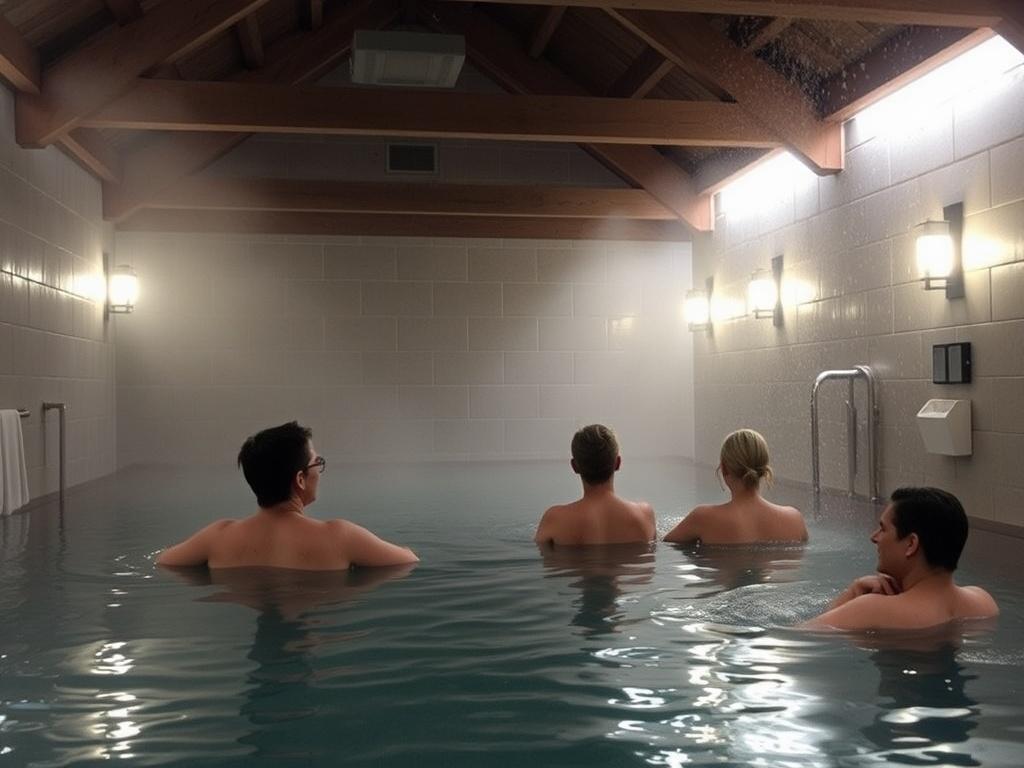
Trying different traditions can be illuminating. Each culture frames bathing with different values—sociality, silence, or cleansing—and that shapes the psychological impact.
Finnish sauna
Expect an emphasis on cycles: heating, cooling (often a plunge or icy shower), and resting. Conversation is common, and saunas can range from private family units to large public spaces. The cultural attitude is pragmatic: sauna is ordinary life, not a luxury.
Turkish hammam
Hammams foreground cleansing. The steam room is followed by scrubbing and massage, often in a communal setting led by an attendant. The sensory intensity and tactile contact can feel purifying and emotionally releasing.
Japanese onsen
Onsens often encourage quiet. The focus is on the mineral-rich water and the environment—natural scenery, the sound of water. For those seeking contemplative practice, an onsen can feel like a slow retreat.
Russian banya
Banyas combine heat with ritual: the venik (leaf broom) is used for a brisk massage that stimulates circulation. It’s social and often exuberant, with songs or conversation. The alternation of heat and cold is emphasized.
Knowing cultural norms helps you get the most out of the visit: whether to speak, when to be silent, or how to use communal spaces respectfully.
Combining bathhouse visits with other therapies
Bathing integrates well with other recovery practices.
- Cold exposure: After a hot session, a cold plunge intensifies the cardiovascular response and can sharpen alertness. For mental health, the contrast often produces a strong call-and-response in mood—deep relaxation followed by invigorated clarity.
- Massage and bodywork: Heat primes tissues for deeper massage, making it a good pairing for physical and mental release.
- Therapy: Some people bring insights from a therapy session into a bathhouse to process without distraction. Others use post-bath calm to journal or reflect on therapy homework.
- Mindfulness practice: Regularly pairing heat exposure with brief mindfulness sessions can turn a bathhouse habit into a powerful stress-resilience regimen.
If you are in active mental-health treatment, coordinate with your provider about integrating baths into your plan—especially if you’re using medications that alter body temperature regulation.
Bringing the practice home: low-cost alternatives and DIY rituals
Not everyone has access to a public bathhouse. You can recreate many benefits at home.
- Hot bath: A long soak (20–30 minutes) at 37–40°C with Epsom salts or a few drops of calming essential oil can approximate an onsen-style soak.
- Steam shower: Close the bathroom door and run a hot shower; sit safely and breathe the steam. Add a eucalyptus sprig for a spa-like scent.
- Infrared sauna blankets and portable saunas: These are more accessible options, but follow safety guidance and avoid overheating.
- Contrast showers: Finish a hot shower with 30 seconds of cool water, repeated 2–3 times, to get some of the benefits of contrast therapy.
A thoughtful home ritual—lighting a candle, putting away devices, setting a timer, and following a simple sequence—can be surprisingly effective.
Common myths and misconceptions
A few misunderstandings circulate; it helps to separate myth from reality.
- Myth: “Saunas detoxify your body completely.” Truth: Sweating eliminates small amounts of some substances, but the liver and kidneys are the primary detox organs. Sweating supports circulation and skin clearance, but is not a cure-all detox.
- Myth: “The hotter the better.” Truth: Excessive heat brings risk. Benefit comes from controlled exposure and recovery. Individual tolerance matters more than maximum temperatures.
- Myth: “Bathhouses are only for the naturally relaxed.” Truth: People under stress often benefit most, but sessions must be tailored to comfort and medical safety.
Understanding limits helps you use bathhouses as a reliable tool rather than chasing extremes.
Practical checklist for a restorative bathhouse session
Below is a concise checklist you can print or save on your phone:
- Pack: towel, water bottle, lightweight robe, flip-flops, spare clothes
- Avoid alcohol or heavy meals before visiting
- Start with 8–12 minute heat sessions; adjust by feel
- Follow each heat session with a cool-down and 10–20 minute rest
- Use breathing exercises and a short body scan during heat exposure
- Hydrate after the session; avoid immediate strenuous activity
- Check medical conditions and medications in advance
Simple habits—hydration, pacing, and rest—make the difference between a pleasant soak and a risky outing.
Cost, accessibility, and building a sustainable habit
Public bathhouses range from inexpensive community centers to high-end spas. If cost is a barrier, consider these options:
- Community pools and YMCAs often have saunas or steam rooms at low membership rates.
- Local cultural centers (Finnish, Russian, Turkish) sometimes offer affordable drop-in sessions.
- Home practices like long baths, steam showers, and contrast showers are low-cost substitutes.
- Consider frequency over intensity: short, regular sessions are more beneficial and sustainable than rare extreme sessions.
Building a habit is about scheduling and ease. Put a recurring slot on your calendar, and treat it as a non-negotiable appointment with yourself.
Personalizing your ritual: scents, sounds, and timing
The most effective sessions are the ones you will keep doing. Small personal touches turn routine into ritual.
- Scents: Lavender, eucalyptus, and pine can be calming; match scent to intention and sensitivity.
- Sound: Silence works well for inner work; gentle instrumental music or nature sounds support contemplative soaking.
- Journaling: Carry a small notebook to capture insights after your rest period.
- Timing: Evening sessions often aid sleep; morning sessions can be grounding before a busy day. Try both and notice what suits you.
Experimentation reveals what quietly helps your mind return to balance.
Stories and small practices that reinforce change
A memorable habit often starts small: a workplace with a weekly sauna club, a couple who take turns soaking after dinner, or a person who uses a steam shower before a tough conversation to calm the nerves. These practices succeed because they create ritualized breaks—predictable, repeatable, restorative. The social angle matters too: meeting friends in a sauna can be a low-stakes way to strengthen bonds and talk through worries. For some, the bathhouse becomes an emotional gym, where resilience is built in small, repeatable sessions rather than grand gestures.
When to seek professional help
Bathhouses are a support, not a sole solution for severe mental-health issues. If you or someone you know experiences persistent depression, suicidal thoughts, severe anxiety that impairs daily functioning, or psycho-physiological symptoms that do not respond to self-care, reach out to a mental-health professional. Integrating bathhouse practices into a broader therapeutic plan is often beneficial, but it should complement, not replace, evidence-based treatments when those are needed.
Conclusion
Bathhouses offer a rare combination: a simple, embodied practice that simultaneously touches biology, ritual, and community. Whether you seek calm after a hectic day, deeper sleep, or a way to reconnect with yourself and others, controlled heat and mindful bathing give you tools that are accessible and adaptable. Use them thoughtfully—respecting safety limits, honoring cultural norms, and pairing bathing with breath and rest—and you’ll likely find that a few well-chosen sessions a week are enough to loosen the threads of stress and to steady the mind.

