
Hold the Heat: A Practical Guide to Insulating Your Bathhouse for Long-Lasting Warmth
Why Insulation Matters in a Bathhouse
The bathhouse is a room with a mission: to hold warmth, steam, and the promise of relaxed muscles. But heat is greedy—left to its own devices it slips through walls, creeps up chimneys, and vanishes into the ground. Insulation isn’t just a layer of material; it’s the difference between a quick, inefficient preheat and a steady, comforting steam that lasts. Proper insulation reduces fuel or electricity use, shortens warm-up times, stabilizes temperature, protects wood from moisture damage, and improves the user experience every time you step into the heat.
A well-insulated bathhouse feels richer. The stone near the stove stays hot longer. Bench surfaces are pleasantly warm instead of cold. You’ll spend less time feeding the fire or waiting for an electric heater to climb to temperature. Those are practical gains, and they’re immediately noticeable. But there’s another side: moisture management. The combination of high temperature and high humidity makes insulation choices more nuanced than they would be in a living room. Materials and details that work for a home wall can fail in a sauna environment unless selected and installed with moisture, heat, and fire in mind.
Understanding Heat Loss and Where It Happens
How Heat Escapes: Conduction, Convection, Radiation
Heat takes three familiar routes out of a room. Conduction moves heat through solids—wood framing, studs, and batt insulation. Convection shifts warm air through gaps and around obstacles. Radiation sends heat as infrared energy from hot surfaces to cooler ones, which is why the stove seems to warm contours across the room even when air is still. In a bathhouse, all three play roles: conduction through walls and roof is often the biggest loss, convection through unsealed joints is surprisingly large, and radiation affects perceived warmth significantly.
Typical Leak Points in a Bathhouse
Doors and windows are obvious culprits, but the roof is often the worst offender because heat rises. Floor-to-wall joints, penetrations for the stove pipe, electrical fixtures, and the junction between cladding and foundation also leak. Gaps around benches, behind boards, and even improperly sealed vapor barriers create convective channels that shuttle warm, moist air out and draw cold air in.
Choosing Insulation Materials: What Works and Why
Material Types and Characteristics
Not every insulation fits a hot, humid environment. You want materials that tolerate moisture, resist mold, offer good thermal resistance, and—near the stove—meet fire-safety requirements. Here’s a quick look at common choices:
| Material | Typical R-value per inch | Moisture Behavior | Fire/Heat Considerations | Suitability for Bathhouse |
|---|---|---|---|---|
| Mineral wool (rock/slag) | ~3.0–3.3 | Hydrophobic options resist water; dries well | Non-combustible, excellent near stoves | Excellent for walls, ceilings; tolerant of humidity |
| Fiberglass | ~2.9–3.8 | Can trap moisture if left unvented | Non-combustible fibers, but binder can char | Common, economical; needs proper vapor control |
| Extruded Polystyrene (XPS) | ~4.5–5.0 | Low water absorption | Combustible—requires protection | Good for floors and foundations; avoid exposed use |
| Polyisocyanurate (PIR) / Polyurethane foam | ~5.5–7.0 | Low permeability; resists moisture | Combustible; off-gassing when hot unless protected | Effective thermal performance; needs fire barrier |
| Natural fibers (sheep wool, hemp, cork) | ~3.0–4.0 | Often hygroscopic but can breathe, resist mold if treated | Lower ignition point; treatment improves safety | Attractive for eco-builds; require careful detailing |
| Cellulose | ~3.2–3.8 | Can settle; sensitive to moisture unless treated | Usually treated with fire retardants | Better in dry cavities or where moisture is controlled |
Vapor Barriers, Reflective Foils, and Breathability
A vapor barrier is one of those details that can either protect your structure or trap moisture and cause rot, depending on how it’s applied. The rule of thumb for hot-humid rooms is to place the vapor control layer on the warm side of the insulation (the interior side) so moisture from the room cannot penetrate into cooler cavities and condense. In traditional sauna design that often means a foil-backed or kraft-faced vapor retarder beneath interior cladding.
However, modern assemblies sometimes prefer vapor-open assemblies with ventilated cavities so the wall can dry to the outside. This works when the exterior envelope and roof detail support drying and when materials are chosen to tolerate occasional moisture. Reflective foil layers also play a role: they slow radiative heat loss and can act as an additional vapor control layer when properly sealed. Whatever you choose, understand the whole assembly—materials, placement, and ventilation work together.
Insulating Structural Elements
Walls: Assembly and Practical Tips
A typical insulated wall for a small bathhouse might be framed with 2×4 or 2×6 studs, filled with batt insulation or fitted with rigid boards, covered with a vapor retarder, and finished with tongue-and-groove wood on the interior. Keep these points in mind:
– Use mineral wool where possible for its resilience to humidity and non-combustibility.
– Seal joints between boards and around penetrations; even small gaps let warm moist air escape.
– Leave an exterior drainage or ventilated rain screen if your cladding demands one; that allows the wall to dry outward.
– Use treated or rot-resistant wood for the framing’s lower courses if exposed to ground moisture.
Ceiling and Roof
Heat goes up. If you’re insulating a sauna ceiling, prioritize an uninterrupted insulation layer between the hot room and any attic space. Common options:
– Fill the rafters with mineral wool or rigid foam, and install a foil vapor barrier on the warm side.
– If the attic is used or insulated as a conditioned space, add more insulation above the ceiling plane to prevent heat migration.
– Maintain a ventilation path in roof assemblies where appropriate; stagnant moisture in the attic is a problem.
Keep the roof over the stove area especially well-protected: a heat shield, greater clearances, or non-combustible roofing near the chimney may be required by code.
Floors: Slab, Raised, and Insulated Options
Floors are tricky because they interact with the ground. Slab-on-grade bathhouses can lose heat into the earth unless insulation is installed under or alongside the slab. Measures include:
– Insulating under slab with XPS or rigid board to reduce ground losses.
– Perimeter insulation reduces heat flow out under the edges.
– Raised wooden floors allow you to place batts between joists; protect the insulation from moisture with an appropriate vapor layer.
– Use vapor-resistant insulating boards in the lower zones to avoid moisture migration from below.
Also think about thermal breaks: if stone or tile benches sit on a cold concrete base, heat dissipates fast. Insulating bench bases can make them more comfortable.
Doors and Windows
Keep them small and tight. A well-sealed, insulated door with a single small tempered glass window—or no glass at all—reduces losses and prevents drafts. If you choose glazing, use high-temperature-rated laminated or tempered glass and ensure framing is sealed. Magnetic or rubber seals on doors are inexpensive and effective at cutting convective losses.
Moisture Management: The Other Half of the Equation
Why Moisture Control Is Crucial
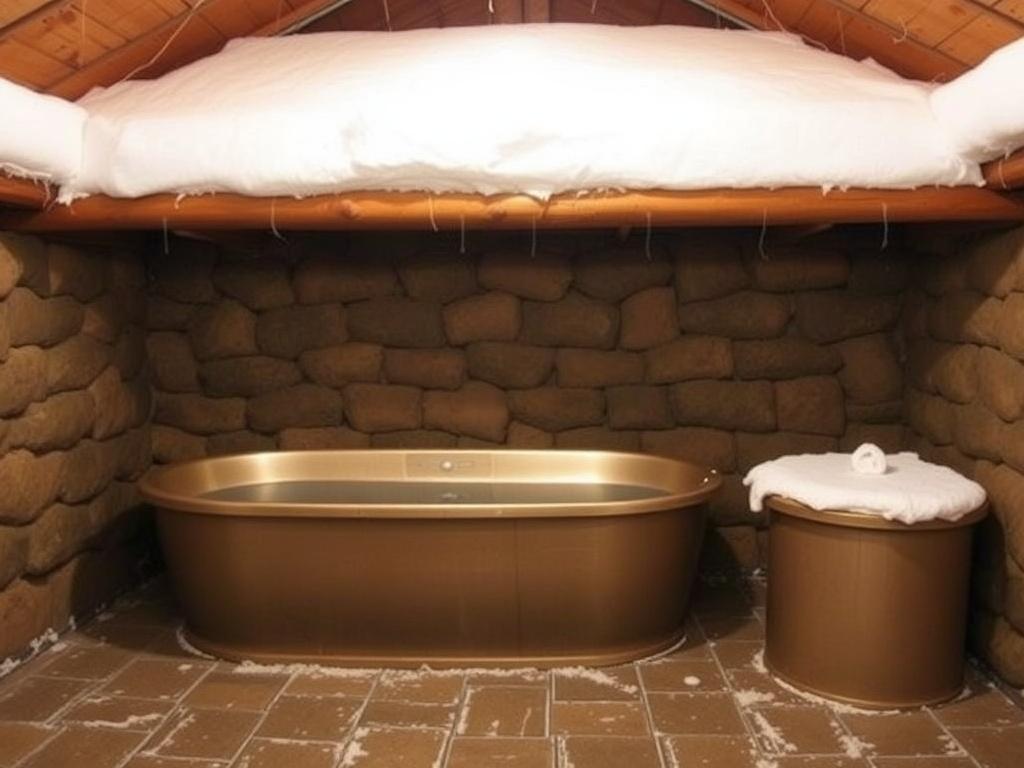
Moisture drives decay. Warm, moist air moving into a cooler cavity can condense, feeding mold and rot. Even insulation that tolerates moisture can be compromised over time if assemblies don’t allow drying. Successful bathhouse insulation is therefore as much about managing vapor and drainage as it is about R-values.
Placement of the Vapor Barrier
Generally, the vapor control layer sits on the warm interior side of the insulation. In practice that often means foil-faced kraft paper or an aluminized sheet beneath the interior wood cladding. Make sure it’s continuous and sealed around joints, fixtures, and penetrations.
But there’s nuance: if you have a ventilated outer rain screen and the exterior is capable of drying, you might choose a vapor-open wall that dries to the outside. That approach is best when you can ensure the exterior layer isn’t trapping moisture and when the roof and foundation details are robust.
Dealing with Steam and Direct Water Exposure
Steam rooms and areas near water splashes need direct protection. Use moisture-resistant cladding and ensure any interior wood is appropriate for saunas—white cedar and aspen are popular because they withstand heat and are less prone to resin bleed. Avoid porous materials in areas of direct contact with water. Always provide a path for compartments to dry after use: good ventilation and an occasional airing will lengthen the life of both insulation and structure.
Practical DIY Steps: Tools, Sequence, and Safety
Tools and Materials You’ll Need
- Insulation (batts, mineral wool, rigid boards, or spray foam depending on your design)
- Vapor retarder (foil-faced material or vapor-control membrane)
- Sealing tape, high-temperature caulk, and expanding foam for small gaps (rated for heat where near stove)
- Protective gear: gloves, eye protection, dust mask or respirator
- Stapler or fasteners, framing tools, cutting tools for boards
- Heat shield materials and fireproof board where required
- Thermometer and humidity gauge to monitor performance
Step-by-Step Installation Outline
- Plan the assembly: sketch walls, roof, and floor layers including insulation thickness, vapor control, and cladding.
- Address the stove area first: confirm clearances, heat shields, and chimney penetrations meet standards.
- Frame the structure tightly. Place blocking where needed for bench support and to reduce cavity bridging.
- Install insulation in walls and ceiling—cut precisely to avoid gaps and compressing the material.
- Seal all seams in the vapor retarder and tape around penetrations before installing interior cladding.
- Install interior wood, leaving small gaps for natural expansion where indicated by the wood species.
- Insulate and finish the floor with appropriate materials, protecting insulation from moisture ingress.
- Fit the door and test for air-tightness; improve seals if drafts appear.
- Run the sauna slowly at first and monitor for condensation or odors that indicate moisture issues.
Safety Considerations
Do not place combustible insulation directly against stove or chimney components. Many foam insulations are combustible and can off-gas at high temperatures. Maintain code-required clearances and install required non-combustible barriers or heat shields. Where you are unsure, consult a professional about clearances and fireproofing details. Also, use wiring and fixtures rated for high temperature and humidity. Incorrect electrical work in a sauna can be hazardous.
Energy Efficiency, Thermal Mass, and Comfort
Thermal Mass vs Insulation
Thermal mass—stone, masonry, or heavy benches—stores heat and releases it slowly. It smooths temperature swings and reduces fuel cycling. Insulation, on the other hand, reduces the rate at which heat leaves the room. The best systems combine both: a dense stove and stone bank for momentum, surrounded by a tight, well-insulated envelope to prevent that heat from escaping too quickly.
Bench Design and Insulation
Benches feel more comfortable when their supports and bases are insulated or thermally isolated from cold foundations. Consider insulating bench foundations and using wood surfaces that don’t get overly hot. If benches contain hidden cavities, prevent warm moist air from stagnating there; provide ventilation paths or use breathable materials.
Quick Wins for Better Performance
- Install a tight-fitting door with good seals.
- Add additional insulation in the ceiling before expanding to walls—heat rises, so this pays off quickly.
- Seal gaps around light fixtures and wiring to cut convective losses.
- Use small, well-placed tempered glass rather than large window areas.
- Ensure the stove is sized appropriately for the insulated volume—too small and the room struggles; too large and it cycles inefficiently.
Maintenance: Keep the System Working
Routine Inspection
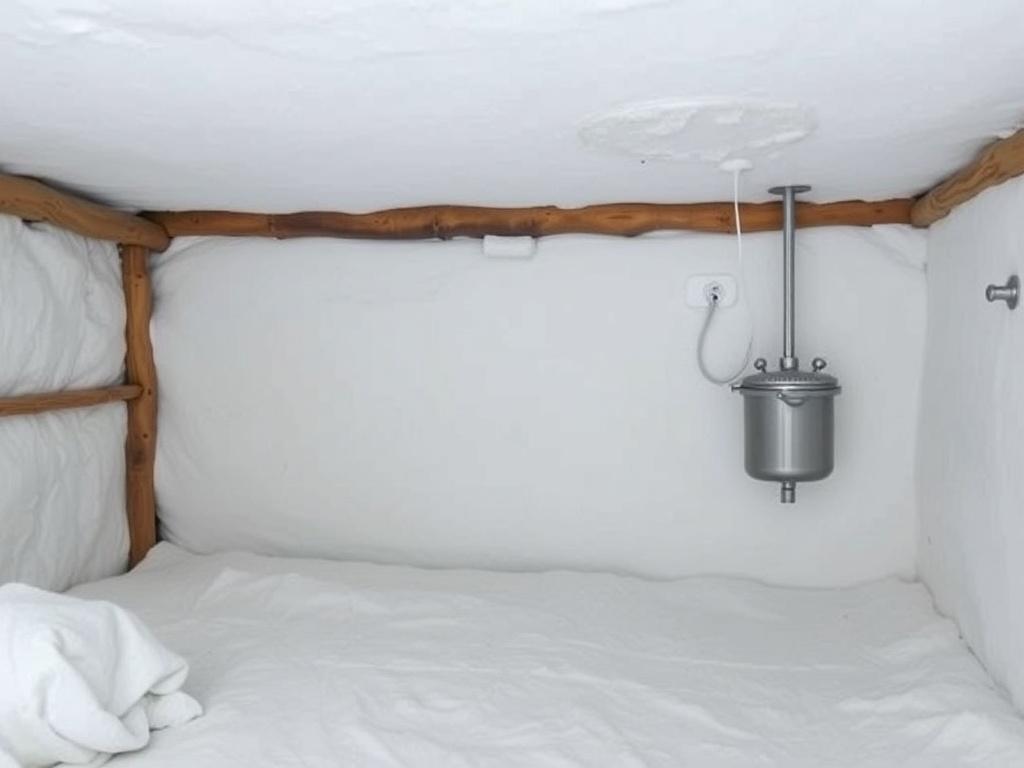
Every few months visually inspect door seals, check for mold or unusual odors behind benches, and confirm that the exterior cladding and roof flashing remain intact. After heavy use, crack a window or door briefly and run ventilation to let the chamber dry. Catching small leaks early prevents expensive repairs.
Addressing Moisture and Mold
If mold appears, identify the source: a breached vapor barrier, persistent condensation, or external leaks. Remove affected materials if they’re compromised and fix the vapor or drainage detail. Avoid covering up recurring issues with surface treatments; solve the root cause.
Costs, Value, and Return on Investment
Estimating costs depends on choices. Mineral wool batts and foil vapor retarder for a small backyard sauna could be modest in price, whereas rigid foam under a slab and high-performance PIR boards push costs higher. Expect the following rough ranges (varies widely by region and material availability):
| Item | Approximate Cost Range (USD) | Notes |
|---|---|---|
| Mineral wool batts (per 100 sq ft) | $50–$200 | Good balance of cost and performance |
| Rigid foam boards (XPS/PIR) (per 100 sq ft) | $100–$400 | Higher R-value per inch; protective finishes needed |
| Vapor retarder and tape | $20–$150 | Reflective foils cost more but aid radiative control |
| Heat shield materials and fireproofing (stove area) | $50–$500+ | Depends on chimney and clearance solutions |
Energy savings depend on climate, usage, and fuel cost. In colder regions and with frequent use, good insulation often pays back within a few years through lower wood use or reduced electric heating bills. In any case, comfort and longevity of the structure are immediate returns.
Common Mistakes and How to Avoid Them
- Installing the vapor barrier on the wrong side of the insulation—this traps moisture and causes rot. Place it on the warm-side, or design for drying to the exterior.
- Letting gaps and seams remain unsealed—convective loops can negate much of your insulation’s benefit.
- Using combustible foam too close to the stove without proper protection—follow clearances and use non-combustible barriers.
- Ignoring ventilation—no insulation scheme works if the room cannot dry or exchange humid air safely.
- Over-glazing—large windows feel great for the view but are thermally expensive.
Local Codes, Safety, and When to Hire a Pro
Codes vary widely. Many jurisdictions have specific requirements for clearances around stoves and chimneys, for insulation materials used near high temperatures, and for electrical installations. If your design involves structural changes, chimney penetrations, or complex vapor control strategies, it’s wise to consult a professional. A certified contractor or building inspector can help ensure your system is safe, durable, and compliant.
Real-World Examples
Example 1: Small Backyard Sauna
A homeowner builds a 6×8 ft sauna with 2×4 walls, mineral wool batts, a foil vapor barrier sealed to the door frame, and tongue-and-groove aspen interior. The ceiling receives an extra layer of rigid foam above the joists. Bench bases are insulated with foam board and finished with cedar. The stove is a compact wood-burning unit with a certified heat shield and proper chimney clearances. Result: short preheat, stable temperatures, and an interior that dries quickly.
Example 2: Traditional Log Banya Conversion
A log structure has inherent thermal mass and gaps. The renovation focuses on filling chinked gaps, adding a thin inner stud wall with mineral wool, and installing a ventilated cavity between the logs and the new cladding to allow drying outward. The ceiling gains additional insulation and a dedicated vent to the exterior. Because the log walls can hold moisture, careful detailing around the vapor retarder and external flashing is essential. The outcome balances tradition with modern moisture control.
Tools and Materials Checklist
- Mineral wool or fiberglass batts sized to stud bays
- Rigid foam boards for floors or under slabs
- Aluminized foil or vapor retarder membrane
- Tape and sealants rated for high-temperature applications
- Heat shield panels and non-combustible backing
- High-temp-rated lighting fixtures and wiring
- Moisture and temperature gauges
- Appropriate fasteners, staples, and cutting tools
- Personal protective equipment
Final Practical Tips and Design Considerations
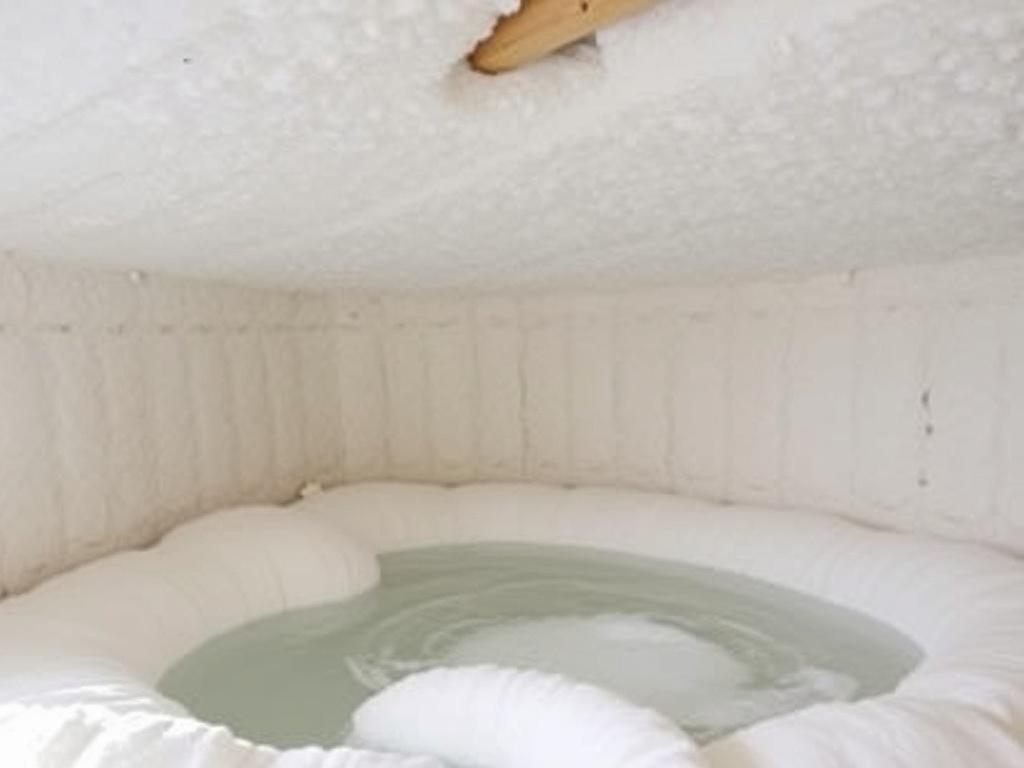
– Size the stove for the insulated volume, not the uninsulated volume. Better insulation often means a smaller heater achieves the same comfort.
– Keep interior wood species consistent to avoid differing expansion rates and unpredictable gaps.
– Think in layers and assemblies rather than single products: insulation, vapor control, ventilation, and finishing all interact.
– Build for drying. The assembly that lets the structure dry safely is far more durable than one that traps slight amounts of moisture forever.
– Remember the human factor: a bathhouse used every weekend for years needs different priorities than one used once a season. Frequency affects whether you favor rapid drying or passive mass storage.
Conclusion
Insulating a bathhouse is a craft of balance—keep heat where it’s wanted, manage moisture where it threatens, and protect surfaces near real heat with non-combustible materials. Start by understanding where heat and steam escape, choose materials that resist humidity and fire, and detail vapor control so assemblies can dry properly. Practical work—tight framing, sealed vapor layers, accurate cuts, and oven-tested clearances around the stove—pays off in comfort, efficiency, and longevity. With careful design, a bathhouse becomes a place that warms quickly, holds its heat, and ages gracefully rather than fighting constant repairs.

