
Healing Aromas: Which Herbs to Use in the Bathhouse
There is something elemental about steam rising, herbs unfurling, and heat drawing breath deep into your lungs. Whether you step into a rustic banya, a tiled hammam, or a home sauna, the scent of herbs transforms steam into a ritual. This article guides you through choosing, preparing, and safely using herbs in the bathhouse so aromas do more than please the nose — they support relaxation, breathing, skin comfort, and a clearer head. I’ll walk you through individual plants, practical recipes, how to make and use veniks (herb bundles), safety precautions, and sourcing tips. No jargon, no dogma — just clear advice you can try next time you light the stove or run the hot tap.
Why herbs matter in the bathhouse
Heat and humidity open skin pores and quicken circulation. Steam carries volatile oils and plant compounds into the air where they can be inhaled and touch the skin. That combination makes the bathhouse a superb place to use fragrant, medicinal, or astringent plants. Herbs amplify the basic effects of heat: they help loosen phlegm, soothe tense muscles, calm the nervous system, or refresh your senses. Think of them as flavoring for the atmosphere, but with practical benefits — if you pick the right ones and use them thoughtfully.
How aromas work in steam
Aroma molecules evaporate in warm, moist air and travel to the olfactory receptors in your nose. That signal goes straight to parts of the brain involved with emotion and memory, which explains why scents can instantly relax or perk you up. On the skin, steam helps disperse fine droplets containing plant compounds, increasing contact time. But potency varies: fresh needles of pine give one experience, while a concentrated essential oil gives another. Choose accordingly.
Top herbs for the bathhouse and what they’re good for
Below is a guided list of herbs commonly used in steam bathing around the world. For each, I’ll give a short description, preferred forms (fresh, dried, essential oil), typical uses in the bathhouse, and any important precautions.
| Herb | Aroma & properties | Best form for bathhouse | Common uses | Precautions |
|---|---|---|---|---|
| Eucalyptus | Sharp, camphorous; respiratory clearing | Fresh leaves, steam infusion, essential oil (very potent) | Clearing chest congestion, invigorating inhalation | Not for infants; dilute essential oil; avoid high concentrations for those with asthma sensitivity |
| Pine / Fir / Spruce | Resinous, woody; uplifting, skin-friendly | Fresh needles or twigs; branches for venik; steam infusion | Refreshing, alleviates muscle tension, connects to nature | Avoid with resin allergies; brush skin gently with twigs to avoid irritation |
| Birch | Green, slightly sweet; traditional banya venik | Fresh branches for venik; dried leaves for infusions | Skin stimulation, circulation, traditional light flogging rituals | Not for people with very sensitive skin |
| Lavender | Floral, calming; gentle nervine | Dried flowers, essential oil (use sparingly) | Relaxation, sleep preparation, stress relief | Generally safe; use moderate amounts to avoid dizziness |
| Chamomile | Apple-like, mild; soothing and calming | Dried flowers for infusion or sachet | Soothes skin, calms nerves, good for sensitive users | Allergy caution for those sensitive to ragweed |
| Peppermint / Spearmint | Cool, fresh; menthol-based sensation | Fresh leaves, infusion, a drop of essential oil | Invigorating, eases nasal congestion, wakes the senses | Too much can be startling; avoid in infants and some with reflux |
| Rosemary | Pungent, herbaceous; warming and clarifying | Fresh sprigs, steam infusion, essential oil (small amounts) | Improves alertness, eases muscular tension | Avoid in pregnancy at high doses; dilute oils |
| Sage | Sharp, savory; traditional antiseptic smoke | Fresh leaves for steam or smudging | Cleansing, intense aroma for short bursts | Not for prolonged heavy inhalation; avoid in pregnancy and with seizure disorders |
| Juniper | Pungent, almost sweet; foresty and cleansing | Twigs and berries for steam; essential oil in tiny amounts | Respiratory lift, grounding scent | Avoid in pregnancy and kidney disease if ingested; topical use in steam usually safe |
| Yarrow | Herbaceous, slightly bitter | Dried flowers and leaves for sachets or infusions | Traditionally used for skin irritation and circulation | May cause skin sensitivity in rare cases |
| Calendula | Mild, floral; soothing to skin | Dried petals in infusions or sitz baths | Skin repair, gentle anti-inflammatory support | Generally safe; patch test if you have plant allergies |
| Nettle | Green, mineral; rich in nutrients when handled properly | Dried leaves or nettle infusions; fresh causes stinging unless blanched | Invigorating, traditionally used to tone the body | Blanch fresh nettles or use dried to avoid stings |
Forms and preparations: fresh, dried, venik, or essential oil?
Each form has its own character and best use. Fresh herbs give the most authentic, layered aroma but can spoil quickly. Dried herbs are stable, easy to store, and still aromatic. A venik is a living tool: a bundle of flexible branches used in Slavic banyas for gentle tapping or brushing of the skin, which improves circulation and spreads scent. Essential oils are concentrated and efficient but require restraint — a little goes a long way and they can irritate if misused.
Fresh herbs
Use fresh when you can — spring birch, pine tips, rosemary sprigs, or bouquets of lavender. They release a bright, complex scent when heated and work well in steam tents or in a sauna bucket. Fresh veniks are the peak experience for many: the leaves and buds release essential oils as they’re warmed and brushed against skin.
Dried herbs
Dried flowers and leaves are the most beginner-friendly option. Make a strong infusion (decoction for woody herbs) and pour it on hot stones or into the sauna water. Sachets of dried herbs tied in muslin can be tossed onto the hot rocks or soaked in hot water and hung to steep. Keep dried herbs in airtight jars away from light.
Venik — an art worth learning
In traditional Russian banyas, a venik (bundle) is more than decoration. Typical veniks use birch, oak, or eucalyptus and are used to gently beat and massage the skin. This stimulates circulation, exfoliates dead skin, and spreads aromatic oils. A well-made venik must be flexible, not brittle, so choose young branches and keep the bundle slightly damp before use.
Essential oils
Essential oils are highly concentrated distilled plant extracts. A drop or two can be sufficient to scent a whole steam room. For a bath, dilute essential oil in a neutral carrier (like almond or fractionated coconut oil) before adding to water to prevent skin irritation. In a sauna or on hot stones, add essential oil to water first, or better: mix with a ladleful of water so it disperses more gently. Use essential oils sparingly and with respect.
Practical recipes and blends for specific goals
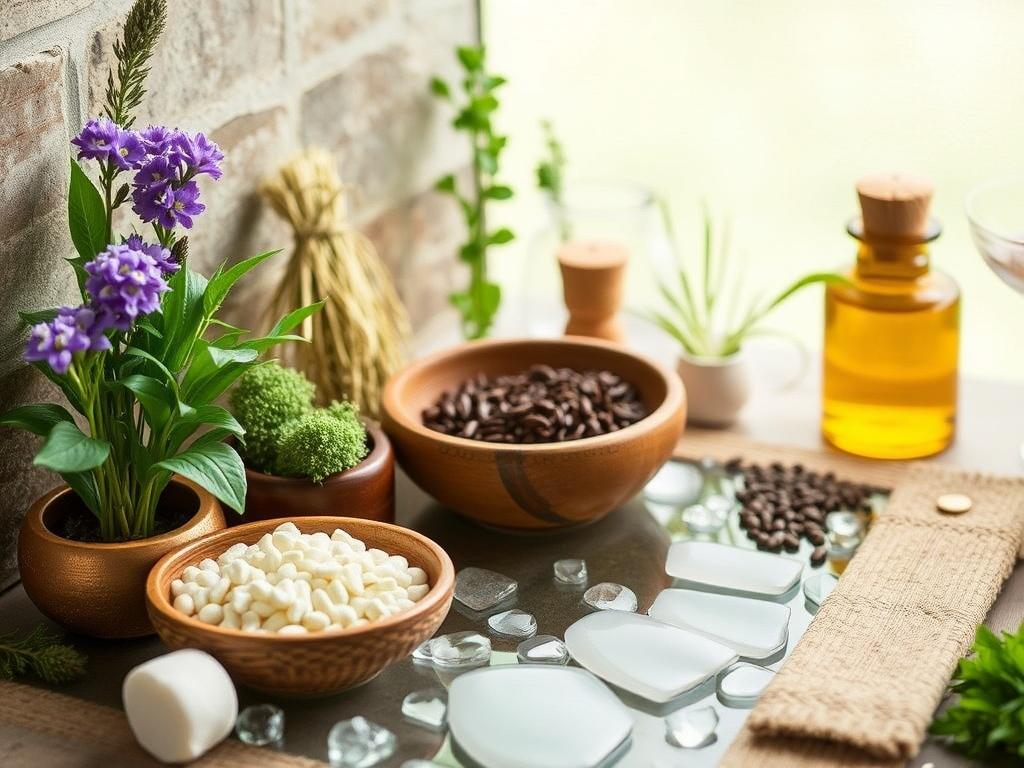
Below are step-by-step recipes for easy, reproducible blends. Each recipe lists the effect you’re aiming for, ingredients and their amounts, and how to use the mixture in different bathhouse settings.
1. Respiratory lift (steam for cold or congestion)
- Ingredients: 2 handfuls fresh eucalyptus leaves (or 1/2 cup dried), 1 handful fresh peppermint leaves, optional: 3 drops eucalyptus oil.
- Method: Make a strong infusion: pour 1 liter (about 4 cups) boiling water over the herbs and let steep 10–15 minutes. Strain into a heatproof ladle.
- Use: Throw ladlefuls onto hot stones in the sauna, or pour into a bowl and set near the steam source in a hammam. Keep a towel to catch steam and inhale gently. In a bath, add a small portion of infusion to the tub or hang a sachet from the showerhead.
2. Deep relaxation (for unwinding and sleep prep)
- Ingredients: 1 cup dried lavender, 1/2 cup chamomile flowers, 2 teaspoons dried lemon balm.
- Method: Place herbs in a muslin bag or a large tea infuser; steep in hot water for 10 minutes.
- Use: Tuck the bag into the steam or hang where it will warm but not scald. For a home bath, steep in a bowl and add about half the infusion to a warm tub. Keep essential oil use minimal: 2–3 drops lavender in carrier oil if desired.
3. Circulation and muscle ease
- Ingredients: 1 handful fresh rosemary sprigs, 1 handful birch leaves, 1/2 cup dried yarrow.
- Method: Make a decoction for the bark and stems: simmer herbs in 1.5 liters of water for 15 minutes, strain.
- Use: Pour over hot stones or ladle into the sauna bucket for an invigorating steam. A venik of birch used after heating provides a brisk, invigorating sensation.
4. Skin-loving soak (sitz or bath)
- Ingredients: 1 cup calendula petals, 1/2 cup oat flakes, 1/4 cup chamomile.
- Method: Infuse in hot water for 20 minutes. Strain into the bath. Oat soothes, calendula supports skin comfort, chamomile calms irritation.
- Use: Ideal for sensitive skin days, postpartum care, or after sun exposure. Test temperature and avoid if you have open wounds.
How to make and use a venik (step-by-step)
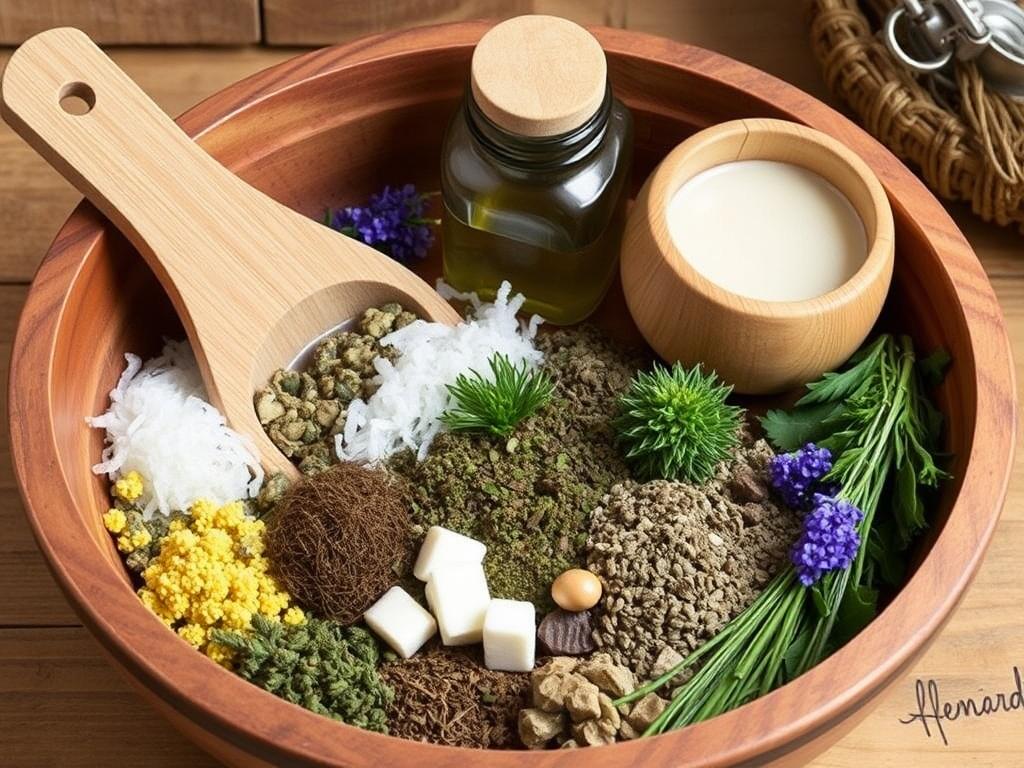
Making a venik is straightforward and rewarding. It should flex without snapping and release scent when warmed. Here’s a simple how-to and the best practices for using it.
Making the venik
- Select branches: young birch, oak, eucalyptus, or linden branches about the thickness of a thumb with plenty of leaves.
- Gather 30–50 branches depending on the size; align them with leaves pointing the same way.
- Fold in half and tie the stems tightly with natural twine about 10–15 cm from the folded base to create a handle. Tie again closer to the leaves if needed to keep the bundle compact.
- Trim uneven stems and lightly shape the head so it fans out into a paddle of leafy twigs.
Preparing the venik for use
Saturate the venik in warm—not boiling—water for 5–15 minutes before use. This softens the twigs and releases oils. Do not soak in hot water that would burn the leaves or damage the aroma. In the banya, keep the venik slightly moist during the session by periodically dipping it into warm water or steam.
Using the venik safely
- Start gently: light tapping or slow strokes along large muscle groups helps the skin adapt to sensation.
- Gradually increase intensity if desired, but avoid direct force on the spine or sensitive areas.
- Use venik after the main heat cycle rather than in the hottest moments for a gentler experience.
- Always check in with the person receiving the plashing; it should never be painful.
Safety first: allergies, pregnancy, children, and heat
Herbs are powerful. They can soothe, but they can also irritate or interact with health conditions. Here are practical precautions to keep your bathhouse sessions restorative rather than risky.
Allergies and skin sensitivity
Patch-test new herbs by moistening a small area of skin (inner forearm) with a diluted infusion and waiting 24 hours. If you have hay fever or known plant allergies (e.g., ragweed family), avoid related herbs like chamomile or echinacea. If you notice wheezing, skin hives, or throat tightness in the steam, get fresh air immediately and stop exposure.
Pregnancy and breastfeeding
Certain herbs are best avoided or used with caution during pregnancy — sage and rosemary in high concentrations, and any herbs known to stimulate uterine activity. Essential oils are particularly potent and generally discouraged in concentrated forms for pregnant or breastfeeding women. When in doubt, consult a healthcare professional before using concentrated herbal steam.
Children and elders
Reduce intensity for children and older adults. Use milder scents like chamomile and lavender, lower temperatures, and shorter sessions. Menthol-rich herbs such as peppermint or eucalyptus can be overwhelming for small children and should be avoided or used in very low amounts.
Essential oil dilution and handling
Essential oils should be treated like potent medicine: a drop can be strong. For direct skin contact in baths, dilute essential oils into a carrier oil first — a safe household rule is roughly 0.5–2% dilution depending on sensitivity (about 3–12 drops of essential oil per 30 mL carrier oil). For steam in a sauna, 1–3 drops in a ladle of water is often enough — never pour neat oil onto hot stones. Keep oils away from eyes and raw skin.
Heat safety
Aromas should not make you faint. If you feel dizzy, nauseous, or short of breath, cool down, hydrate, and step outside the steam. People with unstable heart conditions, uncontrolled high blood pressure, or severe respiratory conditions should get medical clearance before intense steam sessions. Avoid alcohol before or during a sauna or steam session; it magnifies dehydration and fainting risk.
Practical tips for sourcing and storing herbs
Where you get herbs matters: fresh wild-picked bundles have a different personality than commercial-dried sachets, but both have value. Here’s how to choose and keep herbs so they smell and behave well when you need them.
Sourcing
- Buy from reputable herb merchants for dried herbs and culinary-grade suppliers for fresh or live plants.
- When wildcrafting, harvest sustainably: take only a portion, avoid polluted areas, and leave the root system intact.
- For veniks, local foraging or local markets in regions with sauna traditions often provide the best, freshest branches.
Storage
Dried herbs should be stored in airtight containers away from heat and light. Fresh veniks keep best slightly damp in a cool place and are often used within a week. Essential oils last longer but keep them in dark glass bottles, away from heat and sunlight to prevent oxidation.
Common mistakes and how to avoid them
Even with the best intention, people stumble into avoidable errors. Here are frequent missteps and how to circumvent them.
- Too much essential oil: potent oils overpower and irritate. Start small and increase only if needed.
- Poor ventilation: too little airflow traps hot, herb-laden steam and can cause lightheadedness. Keep options for fresh air nearby.
- Using fresh veniks that are brittle: use younger branches, and soak the venik to prevent snapping and scratching.
- Neglecting health cautions: check with a physician if you have critical health conditions before extended heat or herbal steam sessions.
- Crowding strong scents together: mixing many pungent herbs can clash and become unpleasant — keep blends to two or three main players.
Using herbs in different bathhouse traditions
Herbal steam is not one-size-fits-all. Different cultural practices use herbs differently, and honoring those nuances enhances the experience.
Russian banya
The banya centers on the venik. Birch is classic in spring, oak for strength, and eucalyptus for a modern twist. Sessions alternate heat and cooling with venik sessions for circulation and muscle release. In a banya, the venik is used actively to drum the skin and push warm air over the body.
Finnish sauna
Finnish saunas traditionally use wood smoke and clean scent more than botanical steam, but adding a modest infusion of pine or spruce tips to the water ladle is common. The emphasis is on short, dry heat and a few well-timed steam bursts.
Turkish hammam
The hammam’s humid heat pairs well with subtle floral or citrus infusions. Sachets hung near the water pipes or poured hot water through flower-petaled bowls soften the heavy humidity with delicate aroma.
Checklist: what to bring to the steam
Here’s a compact list to pack or place in your bathhouse to ensure a smooth herbal session.
- Fresh or dried herbs appropriate to your goal
- Muslin bags or tea infusers
- Spa ladle or heatproof bowl for infusions
- Carrier oil and small measuring spoon for essential oils
- Clean towel and water bottle for hydration
- Venik and twine if you plan to make your own
- Small cooler or damp cloth to keep venik moist between uses
Simple starter blends to try
If you want a quick, low-risk way to begin, try one of these mini-recipes. Each is made for a 1–2 person home sauna or a personal bath.
- Wake-Up Blend: fresh rosemary (3 sprigs) + 4 fresh mint leaves. Steep 5–10 minutes and use as steam. Bracing and clear.
- Calm Blend: 1 tablespoon dried lavender + 1 tablespoon chamomile. Steep and add to a warm bath or hang in the steam. Gentle and soothing.
- Forest Sit: a handful of pine tips + a few juniper berries. Make a decoction and ladle onto stones for an earthy, grounding aroma.
When to skip herbs
There are times to avoid adding botanicals: if someone in the room has severe asthma or a strong plant allergy, during acute illness with fever, or when the fire is smoldering and smoke already overwhelms the air. Less is more when the group is mixed in age and sensitivity. If in doubt, offer a plain steam or a single gentle herb like chamomile.
Final practical notes and etiquette
Bathhouses are shared spaces. Ask before introducing strong scents. Some people travel to a bathhouse precisely to avoid smells. Place your herbal infusions where they won’t drip on someone’s bench or personal items. If you’re leading a ritual or group session, announce the herbs and their expected effects so everyone is comfortable and informed.
Keeping it sustainable
Take only what you need when foraging, buy from sustainable producers, and reuse veniks when they are still fragrant — compost them afterward. Small choices keep these practices available for generations.
Quick reference: a compact guide
| Goal | Herbs | Form | Tip |
|---|---|---|---|
| Clear breathing | Eucalyptus, peppermint, juniper | Fresh leaves or light essential oil | Use short bursts; avoid with small children |
| Relaxation | Lavender, chamomile, lemon balm | Dried flowers or small oil dilution | Steep in muslin and hang in steam |
| Muscle relief | Rosemary, birch, yarrow | Decoction or venik | Use after heat cycle for best results |
| Skin care | Calendula, oats, chamomile | Infusion for baths or sitz | Cool slightly before adding to tub |
Where to go from here
Start small: pick one herb, make an infusion, and notice how it changes the atmosphere. Keep notes: which blends you enjoyed, what reactions you observed on skin or breathing, and how long scents linger in your space. Over time you’ll build a personal herbal lexicon for your bath rituals. For a deeper dive, local herbalists, sauna masters, and seasoned banya-goers are excellent teachers — they’ll show you how smell and heat work together in ways a list never fully captures.
Conclusion
Herbs bring a subtle alchemy to the bathhouse: they sharpen breath, soften muscles, soothe skin, and color the heat with memory and mood. Approached with curiosity and respect — keeping safety and simple ratios in mind — herbs enrich every steam session. Try a few small experiments, favor fresh or well-stored botanicals, guard against over-concentration, and listen to how your body responds. The right aroma at the right time can make a hot room a place of quiet repair, clear thinking, or deep rest; the wrong one will teach you the opposite. Treat herb-laden steam as a craft: practice, adjust, and enjoy the quiet rewards of a well-scented sweat.

