
Steam, Soothe, Repeat: Top 10 Bathhouse Accessories for the Perfect Steam
There’s a particular hush that falls over a good bathhouse: warm air thick with scent, the soft hiss of water on hot stones, the slow exhale that happens without thinking. If you want to capture that hush at home or upgrade a public steam room into something memorable, the right accessories make all the difference. This article walks you through ten items that turn ordinary steam into a ritual—how each works, why it matters, how to choose one that fits your space, and how to keep it in top shape. Read straight through, or jump to the sections that matter most; every paragraph brings a fresh idea to help you curate your perfect steam.
How accessories change the steam experience
Steam isn’t just heat and water vapor; it’s an environment you can shape. Accessories influence temperature control, scent dispersal, comfort, and safety. A well-timed ladle of water on stones changes humidity; a wooden backrest keeps the skin from flaming hot metal. Even small items—like a carefully chosen hygrometer—turn guesswork into precision, so sessions become consistent rather than accidental. Think of accessories as the difference between a hotel sauna and a beloved ritual: one is functional, the other is intentional.
The Top 10 Bathhouse Accessories
Below are the ten essentials, arranged to follow how a typical session might unfold: from engineering the steam itself to finishing touches that prolong comfort afterward.
1. Steam Generator or Sauna Heater
The heart of any modern steam room is the generator or heater. For wet steam rooms, a steam generator vaporizes water on demand and feeds it into the space; for dry saunas, an electric or wood-burning heater warms the rocks that produce bursts of steam when water is ladled over them. Choose based on room size, installation constraints, and desired humidity: steam generators deliver lush humidity at lower temperatures, while rock heaters create hotter, drier heat with dramatic steam bursts.
When shopping, pay attention to output rating (kW for heaters, kg/hr for steam generators), energy efficiency, and corrosion-resistant materials. Professional installation is usually required because these systems interface with plumbing and high-voltage electricity. Safety features—automatic shutoff, water-level sensors, and overheat protection—are non-negotiable.
2. Sauna Stones
Stones are the interface between heater and steam. Not all rocks are equal: materials like peridotite, olivine, and vulcanite are dense, crack-resistant, and hold heat well. The stone type affects how quickly steam forms and how long heat lingers. A tightly packed bed of stones allows for richer steam; gaps and poorly arranged rocks lead to hot spots and uneven vaporization.
Replace cracked stones annually if used frequently; clean them periodically to remove mineral buildup. For electric heaters, follow the manufacturer’s guidance on stone size and arrangement to avoid clogging ventilation pathways or damaging heating elements.
3. Wooden Bucket and Ladle
A wooden bucket and ladle are more than props—they control how water meets hot stones. A long-handled wooden ladle gives reach and safety, letting you aim at stones without stepping too close. Wood absorbs heat, reducing the risk of burns, and the slow pour creates a softer burst of steam compared with a splash from a metal container.
Choose untreated, kiln-dried wood like cedar, pine, or aspen to resist splitting. Keep the bucket ventilated between uses to avoid mold. A small internal water level marker can help you avoid overfilling, and a lid slows evaporation when the bucket sits in a warm room.
4. Thermometer and Hygrometer
Precision changes everything. A combined thermometer and hygrometer lets you dial in the sweet spot for temperature and humidity. Professionals often aim for different targets depending on the tradition: Finnish saunas favor 70–100°C with lower humidity, while Turkish hammams use lower temperatures and very high humidity. With the right instruments, you can replicate those profiles consistently.
Digital units with clear displays and remote sensors are handy for modern setups. For authenticity, consider an analog wall thermometer and hygrometer with large, easy-to-read dials. Mount them at head height on the warmest side of the room for the most relevant readings.
5. Aromatherapy Oils and an Infuser
Scent is memory’s quickest lever. Essential oils—eucalyptus, pine, lavender, and menthol blends—can transform a steam session from merely relaxing to transportive. An infuser disperses aroma without exposing oils to direct heat, which can degrade delicate compounds and create harsh odors when burned.
Use only steam-safe essential oils and dilute according to instructions. For wood-lined spaces, avoid oils that stain or saturate surfaces. Electric diffusers and bowl infusers designed for steam rooms release scent gently; alternatively, place a few drops on a damp towel draped away from direct heat to allow slow evaporation.
6. Sauna Whisk (Venik) and Brushes
Traditional bathhouses use veniks—tied bundles of birch, oak, or eucalyptus branches—to gently whip the skin. This ritual stimulates circulation, opens pores, and releases aromatic oils from the leaves. For those who prefer a gentler approach, soft natural-bristle brushes can exfoliate and encourage blood flow without the intensity of a venik.
When using a venik, soak it in warm water first to make the branches pliable. Use rhythmic, light strokes rather than forceful beating. After use, air-dry the venik fully; store in a cool, dry place. Reusable veniks tend to last for a few sessions if kept clean; dried veniks can be used as decorative scent sources.
7. Comfortable Seating: Benches, Backrests, and Headrests
Heat is pleasant only when you can relax into it. Ergonomic benches, slatted wooden seats, and contoured backrests support the body and prevent direct contact with overheated surfaces. Headrests tilt the neck just enough to relieve tension, turning a brief sweat into a deep rest.
Choose hardwoods like cedar or aspen because they resist splintering and handle humidity well. Consider layered bench heights for temperature gradients: higher benches offer hotter air, lower benches cooler. Removable seat covers and small towels add hygiene and are far easier to launder than built-in upholstery.
8. Towels, Seat Covers, and Mats
Textiles in a steam environment have to dry quickly and resist mildew. Towels and seat covers serve dual purposes: they protect benches and provide a clean surface for sitting or lying. Lightweight, fast-drying materials—linen blends, waffle weave cotton, or Turkish towels—absorb sweat without holding odor.
Sauna mats made from bamboo or hemp create a barrier between feet and warm flooring. Keep a rotation of towels: one for the session, one for cooling down, and fresh ones for each guest. Wash textiles in hot water and line-dry in the sun when possible to extend their life and keep them hygienic.
9. Lighting and Ambiance Accessories
Lighting shapes mood. Harsh overhead bulbs flatten the experience; layered, dimmable lighting invites calm. Warm LED strips behind benches, small wall sconces with diffusers, and fiber-optic star fields offer safe, low-heat illumination that won’t interfere with humidity control. Colored lights can be used sparingly for chromotherapy, but natural warm tones are typically most relaxing.
Make sure lighting fixtures are rated for high humidity and install switches outside the steam area or with humidity-safe seals. Motion-sensing or remote dimmers add convenience so you can adjust mood without touching wet controls.
10. Timer, Clock, and Safety Gear
Knowing how long you’ve been inside keeps sessions safe and intentional. A waterproof timer or wall clock helps you avoid overexposure; paired with a countdown feature, it’s easy to time interval-style sessions. Safety gear—non-slip mats, emergency cut-off switches for heaters, and clear signage—reduces the chance of slips and overheating.
For shared or commercial bathhouses, install visible maximum-recommended time signs and make emergency shutoff procedures obvious. Portable personal timers are useful too, so guests can manage their own sessions without relying on someone else to watch the clock.
How to assemble these accessories into a coherent setup
It’s tempting to buy everything at once, but a thoughtful sequence will save money and lead to better results. Start with the heating source, stones, and a reliable steam strategy. Add monitoring tools like thermometer/hygrometer and timer to make sessions predictable. Then layer in comfort and sensory elements—benches, towels, lighting, and aromatherapy. Finally, add traditional accoutrements like veniks and brushes to introduce ritual and tactile contrast.
Suggested timeline for upgrade
- Phase 1 (Essential): Steam generator/heater, stones, thermometer/hygrometer, timer.
- Phase 2 (Comfort): Benches/backrests, bucket and ladle, towels/seat covers.
- Phase 3 (Ambiance & Ritual): Lighting, aromatherapy infuser, venik, brushes, mats.
Phased upgrades make it easier to evaluate what works for your space and habits. Not every bathhouse needs a venik or chromotherapy lights, but everyone benefits from a solid heater, accurate gauges, and comfortable seating.
Maintenance: Keep the steam clean and the gear lasting
High humidity is a challenge for materials and bacteria alike. A regular maintenance schedule preserves hardware, extends life, and keeps the experience sanitary. Clean wooden surfaces with mild soap and water; avoid harsh chemicals that strip natural oils. Metal heaters and steam generators should be serviced annually by professionals to check for corrosion and electrical integrity.
Weekly and monthly checklist
- Weekly: Air out the room after use, wash towels and seat covers, empty and dry wooden buckets.
- Monthly: Inspect stones for cracking, clean infusers or diffusers, check for mold in corners and seals.
- Annually: Professional inspection of heater/generator, replace stones if needed, reseal any wooden surfaces treated for moisture protection.
Use vinegar or mild bleach solutions only on tile and non-porous surfaces; never saturate wood. Good ventilation after sessions reduces long-term humidity exposure and microbial growth.
Safety best practices

Steam rooms are therapeutic when used correctly. Stay hydrated before and after sessions. Avoid alcohol and heavy meals immediately before entering. Listen to your body: dizziness, headache, or a sense of faintness means you should exit and cool down. For pregnant people, those with cardiovascular conditions, or anyone on certain medications, consult a healthcare provider before regular steam use.
Install non-slip mats, keep the floor dry, and make the exit route clear. Use visible signage in shared spaces about recommended session lengths and temperature ranges. Finally, make sure heaters and generators have accessible emergency shutoffs and that staff or household members know how to use them.
Buying guide: How to choose the right accessory
With many options on the market, prioritize longevity and compatibility. Choose materials suited to humidity—stainless steel, specific hardwoods, and ceramics designed for thermal stress. Read product reviews that mention performance over time, not just initial impressions.
Questions to ask before buying
- Is this rated for high-humidity environments?
- What is the warranty and what does it cover?
- Does the accessory match the scale of my space (heater output, bucket size, number of towels)?
- Are replacement parts (heating elements, stones, infuser cartridges) readily available?
For elements that connect to electrical or plumbing systems, always involve a qualified technician. For sensory accessories like oils or veniks, choose suppliers with clear sourcing information and safety recommendations.
Cost considerations and budget options
There’s a wide price range depending on how custom and high-end you want to go. At one end, simple towels, a ladle, and a hygrometer can be affordable upgrades. At the other, commercial-grade steam generators and bespoke wooden interiors require significant investment. Balance initial cost with durability: spending a bit more on a quality heater or hardwood benches is far cheaper than frequent replacements.
| Accessory | Typical Price Range | Value Factor | Quick Buying Tip |
|---|---|---|---|
| Steam generator / heater | $800 – $6,000+ | High | Match output to room volume and choose sealed controls |
| Sauna stones | $30 – $150 | Medium | Buy kiln-dried, dense stones and replace cracked ones yearly |
| Wooden bucket & ladle | $20 – $100 | Medium | Choose untreated hardwoods and check joinery |
| Thermometer/hygrometer | $20 – $200 | High | Look for humidity-safe housing and easy-to-read displays |
| Aromatherapy infuser & oils | $15 – $250 | Medium | Use steam-rated oils and an indirect diffusing method |
| Venik / brushes | $10 – $60 | Low–Medium | Choose fresh leaves for a stronger aroma; replace periodically |
| Benches & backrests | $200 – $2,000+ | High | Prioritize hardwoods and modular designs for cleaning |
| Towels & seat covers | $10 – $50 per piece | Medium | Pick quick-dry fabrics; keep multiple sets |
| Lighting | $30 – $800 | Medium | Install humidity-rated fixtures and dimmable controls |
| Timers & safety gear | $20 – $400 | High | Prioritize durable, waterproof devices and visible signage |
Rituals and session structures to try
Accessories enable rituals, and rituals improve the experience. Here are a few session structures that use the accessories above to create deliberate, varied experiences.
Traditional push-and-rest
- Warm up for 5–10 minutes on a lower bench.
- Move to a higher bench; pour water on stones with the ladle for short bursts of steam.
- Use the venik lightly, then cool down with a shower or cold plunge.
- Repeat once or twice, finishing with a long cool-down and hydration.
Aromatherapy-focused session
- Diffuse eucalyptus or pine at low intensity for the first 10 minutes.
- Gradually increase humidity with the ladle while maintaining lower temperature.
- Finish by breathing slowly with a towel draped over the head to concentrate scent.
Circulation and exfoliation ritual
- Start with 5–7 minutes of warm air, then use a natural-bristle brush for dry brushing before entering.
- After warming, use the venik in short, rhythmic strokes to stimulate circulation.
- End with a cool rinse and moisturize to replenish the skin barrier.
Common mistakes to avoid
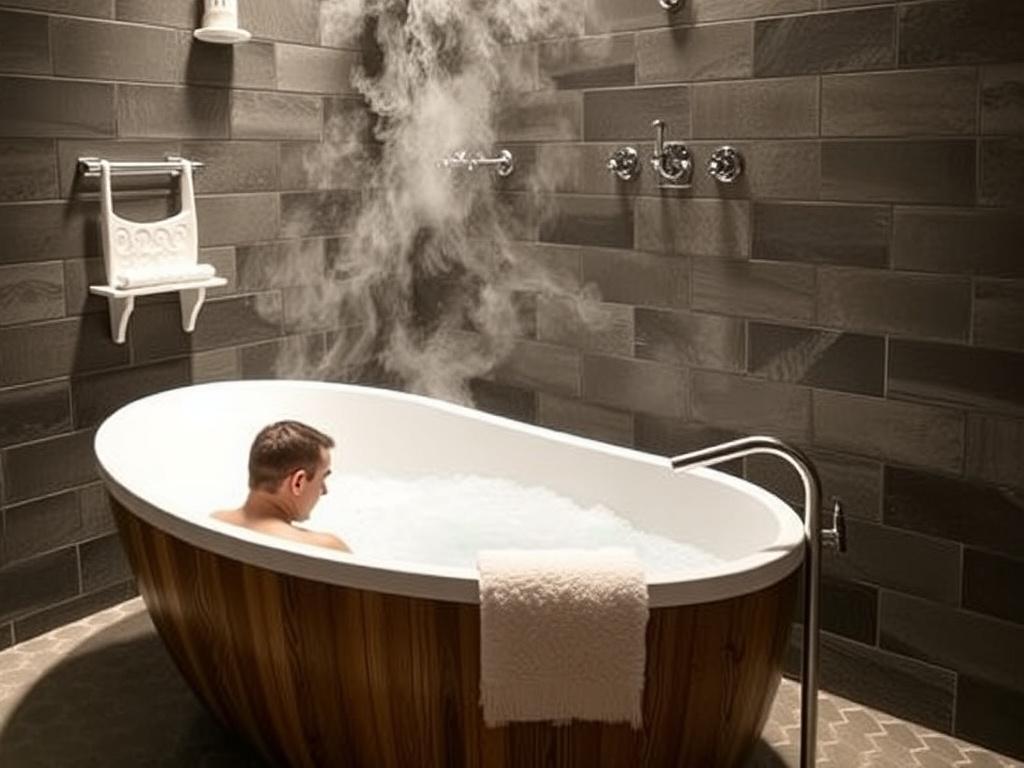
Even well-intentioned setups can fall short when accessories are misused. One frequent misstep is overloading a small space with fragrance; essential oils are potent and can overwhelm or irritate. Another is trusting visual heat alone—without a hygrometer and thermometer you’re guessing at conditions, which can lead to unsafe sessions. Finally, neglecting ventilation and drying leads to persistent humidity problems that damage materials and foster mildew.
Quick “don’t” list
- Don’t pour too much water at once—sharp steam bursts can cause burns.
- Don’t leave wooden buckets sealed in a warm room; they trap moisture and rot.
- Don’t rely on non-rated electrical accessories inside a steam area.
DIY vs. professional installation
Some items are perfect for DIY: towels, mats, ladles, and aromatherapy diffusers. Others require professional help. Steam generators, heaters, hardwired lighting, and built-in benches frequently need plumbers and electricians with experience in wet environments. A professional will ensure the system meets local codes, balances ventilation, and avoids long-term issues like electrical shorts or water intrusion.
If budget constrains you, do the soft upgrades first—comfort and scent—while planning for a phased professional upgrade to heating and permanent fixtures. This approach lets you learn what you enjoy before investing heavily.
Where to source quality accessories

Look for specialty sauna and spa suppliers rather than general big-box stores for the most reliable options. Local artisans often craft excellent wooden benches and ladles; ethical suppliers will disclose stone types and oil sourcing. For heaters and generators, prioritize brands with clear warranties and accessible service networks. Reading user forums and reviews from spa professionals can reveal long-term performance that a single product page won’t show.
Customization ideas to make it yours
Custom touches make the bathhouse feel personal. Consider engraved wooden ladles, bespoke bench inlays, or locally foraged aromatics for infusions. A small shelf for cold water bottles and a dedicated towel warmer add luxury without complexity. If space allows, install two tiers of benches and a small corner bench for stretching or quiet seating—the flexibility pays off during different kinds of sessions.
Simple upgrades with big effect
- Swap ordinary towels for breathable Turkish towels for faster drying and a lighter feel.
- Add dimmable warm LEDs for immediate mood control.
- Equip the room with an easy-to-read hygrometer and a stopwatch for consistent practice.
Summary checklist before your first session
- Check heater/generator professional installation and safety features.
- Place the thermometer and hygrometer at head height in the warmest zone.
- Stock clean towels, a filled wooden bucket, and a ladle nearby.
- Set lighting to a soft, warm level and test aromatherapy diffusion separately first.
- Run a short test session to confirm temperatures and steam behavior.
- Ensure ventilation and provide easy access to cool water and a shower.
Final thoughts on crafting a perfect steam
The right accessories transform a heat source into a curated experience. Whether you aim for the crisp dryness of a northern sauna or the dense warmth of a hammam, thoughtful choices in stones, controls, seating, scent, and safety craft a session that’s both restorative and repeatable. Invest in the fundamentals—reliable heating, accurate measurement, and ergonomic seating—then refine with sensory and ritual items. Over time you’ll learn which elements matter most to your body and your guests: those are the items worth upgrading first.
Conclusion
Creating the perfect steam is less about collecting gear and more about assembling a coherent environment: a dependable heater or generator, well-chosen stones, accurate instruments, comfortable seating, and a few sensory touches make steam rooms that invite return visits. Maintain your accessories diligently, prioritize safety, and let small rituals—an aromatic pour, a venik stroke, a dimmed light—turn heat into a practiced form of rest. With thoughtful purchases and steady care, your bathhouse becomes a place where heat refreshes the body and calm comes easy.

